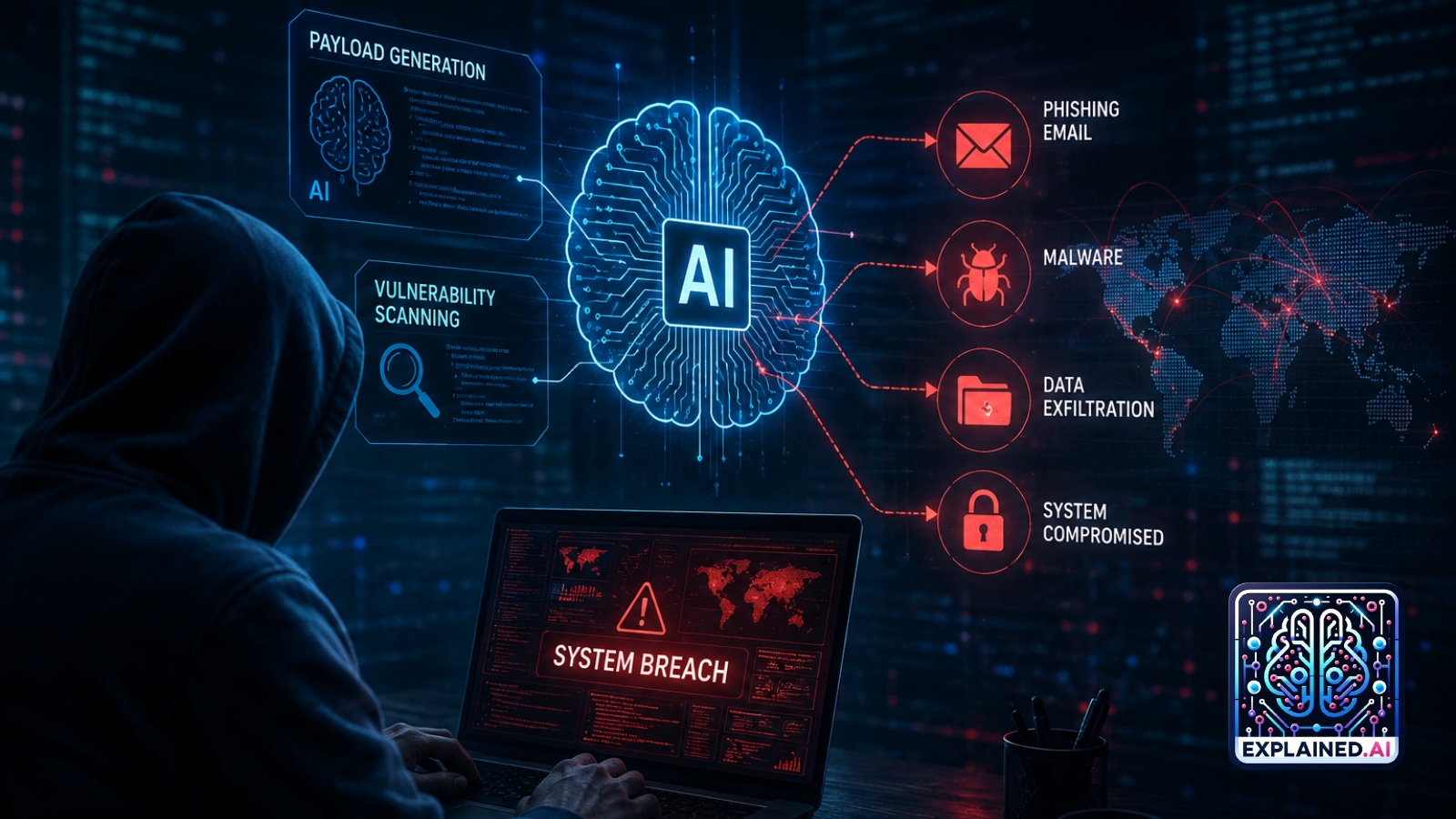
A South Korean cybersecurity report reveals that the North Korean-linked group Kimsuky is building AI-driven tools to automate cyberattacks and enhance phishing campaigns.
Key Takeaways
- The North Korean group Kimsuky has integrated Large Language Models (LLMs) into their toolkit.
- Hackers are using local AI models to process stolen data without alerting external services.
- AI is being used to create highly convincing financial and cryptocurrency-themed phishing lures.
In a significant escalation of digital warfare, the South Korean cybersecurity firm Genians has reported that North Korean-linked hackers are now leveraging Artificial Intelligence to bolster their operations. The group, known as Kimsuky, has reportedly built a sophisticated infrastructure to run and manage AI models locally, aiming to automate cyberattacks and refine data analysis.
The findings indicate that the group is utilizing tools such as Ollama, GPT4All, and Msty, alongside Retrieval-Augmented Generation (RAG) technology. By running these models locally, the hackers can process sensitive, stolen documents without the risk of sending information to external AI service providers, thereby maintaining high levels of operational security.
Why This Matters
BozokMedia analysis shows that this shift represents a transition from simple generative AI use to deep integration within the cyber-attack lifecycle. By using AI-assisted coding tools like Cursor and speech-to-text software, these actors can now develop malware and conduct complex social engineering campaigns at an unprecedented scale and speed.
The integration of AI into state-sponsored hacking signifies a move toward fully automated, highly intelligent, and harder-to-detect cyber warfare.
Furthermore, the report highlights the use of AI-generated 'decoy' documents. These materials, designed to mimic legitimate investment reports and workplace communications, are specifically crafted to target the finance and cryptocurrency sectors, making phishing attempts nearly indistinguishable from real professional interactions.
Historical Background
North Korea has long been a prolific actor in the cyber domain, utilizing state-linked units for espionage and large-scale financial theft to bypass international sanctions. In 2023, the U.S. Treasury officially sanctioned Kimsuky, identifying them as a government-controlled group dedicated to gathering intelligence in support of Pyongyang’s strategic goals.
Frequently Asked Questions
1. How does AI improve North Korean cyberattacks?
AI allows hackers to automate the creation of malware, write more convincing phishing emails, and analyze large volumes of stolen data more efficiently.
2. What is the danger of 'local' AI models for hackers?
Local models allow hackers to use powerful AI capabilities without leaving a digital footprint on public cloud servers, making their activities harder to track.