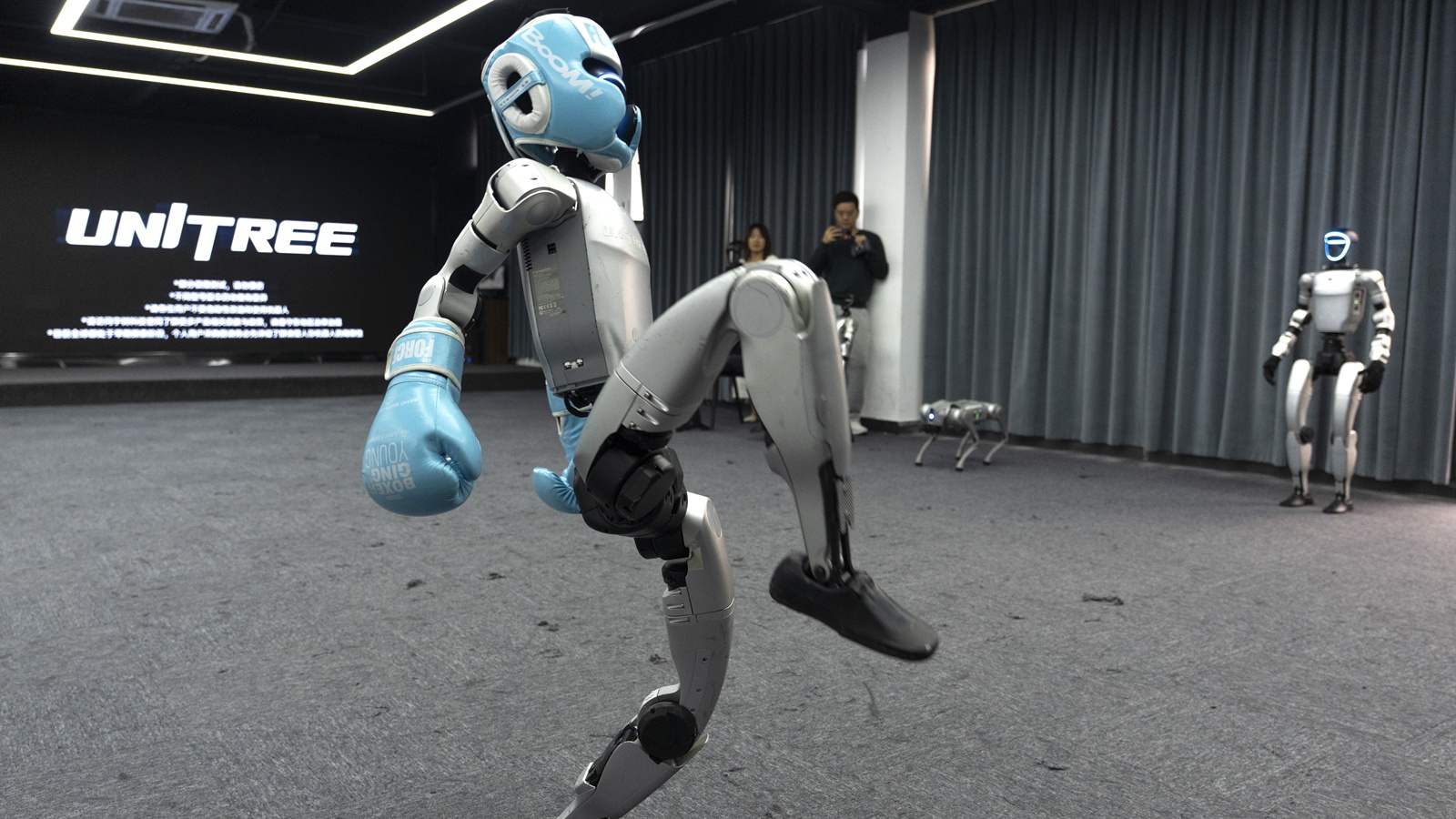
Once viewed as a follower in the global AI race, China is rapidly pivoting its strategy to claim leadership in artificial intelligence. This shift could redefine the future of global technology.
- China's AI sector is transitioning from a follower to a potential leader.
- Strategic investments in hardware and data are driving this shift.
- Geopolitical tensions and chip bans remain significant hurdles.
The landscape of Artificial Intelligence (AI) in China is undergoing a seismic shift. For years, the consensus among global analysts was that China was playing catch-up to the United States and other Western powers. However, new insights suggest that the 'laggard' status may soon be obsolete.
China's approach is evolving from mere application of AI to deep-tech innovation. By focusing on semiconductor self-reliance, massive data integration, and state-led research initiatives, China is building a robust foundation to challenge the current technological hegemony.
Why This Matters
BozokMedia analysis shows that China's potential ascent in the AI domain isn't just a corporate race; it is a geopolitical realignment. A China-led AI ecosystem would create a parallel technological standard, potentially splitting the world into two distinct digital spheres.
The transition from an AI follower to a leader could be the defining moment of the 21st-century technological landscape.
Historically, China has demonstrated a remarkable ability to scale technologies rapidly. Just as it did with 5G telecommunications and electric vehicles, the nation is leveraging its massive domestic market and state support to accelerate AI deployment across industries.
Despite the significant headwinds caused by US-led export controls on advanced computing chips, China is doubling down on domestic manufacturing. This 'forced innovation' could lead to a breakthrough in non-Western-dependent AI architectures.
Frequently Asked Questions
1. What is holding China back in the AI race?
Access to cutting-edge high-end semiconductors remains the primary obstacle due to international trade restrictions.
2. How does China's AI strategy differ from the US?
While the US relies heavily on private sector innovation, China utilizes a highly coordinated state-driven model to direct resources toward strategic goals.