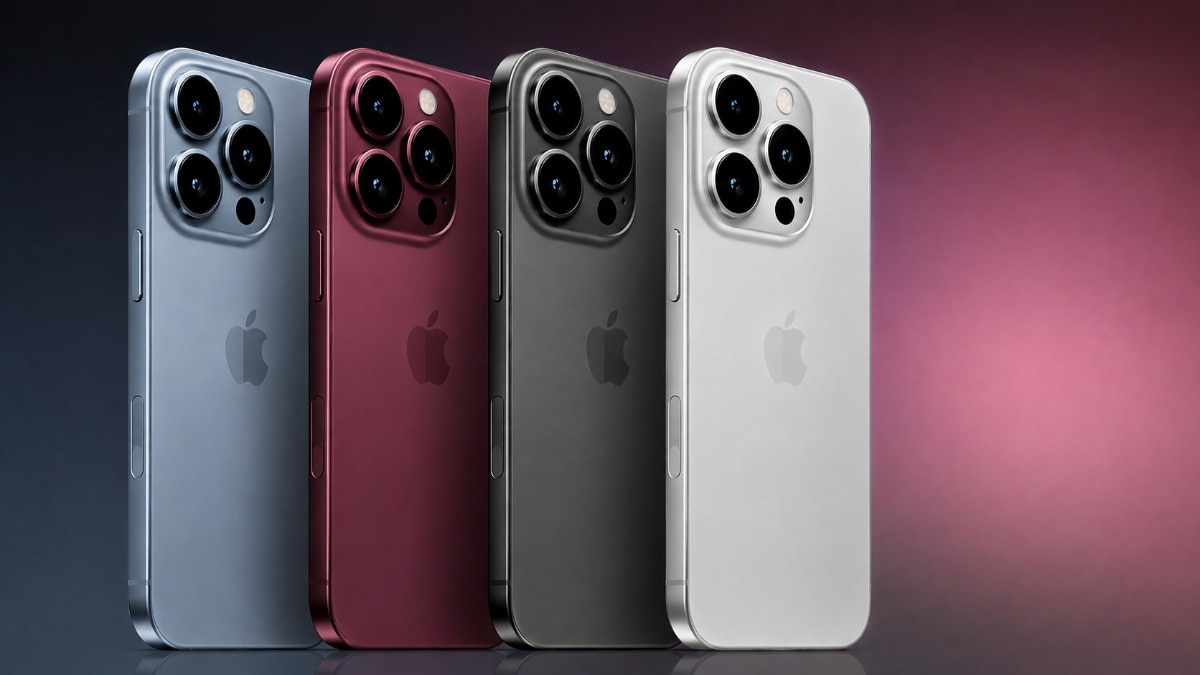
Apple's upcoming launch of the iPhone 18 Pro on September 9th highlights its highly aggressive, predictable annual release cycle. This strategic timing systematically suffocates mid-range Android launches at IFA Berlin, neutralizes flagship releases from Samsung and Google, and capitalizes on carrier upgrade cycles to dominate the global smartphone market.
- Apple's fixed September 9th launch timeline acts as a powerful barrier, disrupting rival marketing plans.
- The timing overshadows IFA Berlin, depriving mid-range Android devices of crucial media exposure.
- Major competitors like Samsung and Google are forced to compress their release cycles to avoid direct marketing collisions.
The global smartphone arena is a battlefield of incremental upgrades and marketing warfare, but few tactics are as devastatingly effective as Apple's annual release calendar. The anticipated launch of the iPhone 18 Pro family on Wednesday, September 9, highlights a highly calculated, aggressive strategy designed to maximize market share while suffocating rival ecosystems. By keeping this launch window remarkably predictable, Apple establishes a psychological and financial anchor that forces competitors to react rather than lead.
The Mid-Range Squeeze at IFA Berlin
A primary casualty of Apple’s early-September schedule is the IFA Berlin exposition, historically a prime venue for European and global consumer tech rollouts. Taking place from September 4 to September 8, IFA Berlin serves as a critical launchpad for mid-range Android devices. However, the impending shadow of the iPhone 18 Pro systematically deprives these exhibitors of media attention. With component costs rising and profit margins shrinking for mid-range memory and storage, Android manufacturers find themselves squeezed out of both the news cycle and retail priority.
The Last-Mover Advantage Over Premium Android Phones
While standard business theory often extols the virtues of being first to market, Apple has perfected the "last-mover advantage" in the premium segment. By launching in mid-September, Apple effectively gets the final word before the lucrative fourth-quarter holiday shopping season. Competitors like Samsung and Google are forced to make uncomfortable compromises. Samsung has consistently adjusted its Galaxy Z Foldable timeline to secure breathing room, while Google's Pixel 11 Pro faces a mere two-week window before the iPhone 18 Pro dominates headlines.
Why This Matters
BozokMedia analysis shows that Apple's rigid release calendar is not just about logistics; it is an active weapon of economic containment. By monopolizing the late-Q3 news cycle, Apple ensures that premium Android flagships are starved of marketing momentum right when consumer spending peaks. This structural advantage makes it incredibly difficult for competitors to sustain long-term retail interest, solidifying iOS dominance in high-margin demographics.
"Apple’s launch predictability is its greatest competitive moat. It forces the entire Android ecosystem to adjust their multi-million dollar marketing campaigns around a single date in Cupertino."
Carrier Subsidies and Retail Dominance
In North America, the synergy between Apple's retail calendar and carrier upgrade cycles creates an unmatched retail moat. Major telecom carriers align their 12- and 24-month upgrade contracts directly with the September iPhone release. This alignment guarantees a massive wave of eligible upgraders, backed by aggressive carrier marketing subsidies. Android flagships, launching outside this golden window, struggle to receive the same level of retail push and financial backing from carriers.
| Strategy Metric | Apple iPhone 18 Pro | Android Flagships (Samsung/Google) |
|---|---|---|
| Launch Timing | Predictable Early September | Variable (July/August/October) |
| Market Positioning | Last-mover advantage before Q4 | Forced early release or direct collision |
| Carrier Alignment | Perfect alignment with contract cycles | Disjointed promotional cycles |
Frequently Asked Questions
1. Why is Apple's September launch date so damaging to IFA Berlin?
IFA Berlin takes place in early September, meaning any mid-range or flagship Android announcements made there are immediately overshadowed by Apple's massive global iPhone launch just days later.
2. How does the "last-mover advantage" benefit the iPhone 18 Pro?
By launching last among the major premium flagships, Apple captures the ultimate consumer attention and dominates the critical fourth-quarter holiday sales period without competitors being able to easily react.