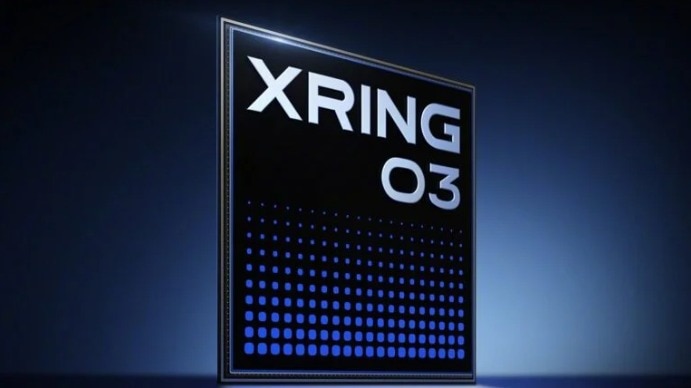
Xiaomi introduced its in‑house Xring O3 chipset, a 3nm, 10‑core CPU with a 16‑core GPU that scored 5.22 million points on AnTuTu, becoming the first mobile SoC to break the 5‑million mark. The chip will debut in the Xiaomi 18 Fold and Pad 9 Pro Max slated for September.
- Xring O3 built on 3nm process, 10‑core CPU, 16‑core GPU, 5.22 M AnTuTu score.
- First Xiaomi chipset supporting LPDDR6 memory and delivering up to 200 TOPS AI performance.
- Launch scheduled for September in Xiaomi 18 Fold and Pad 9 Pro Max.
Xiaomi has officially unveiled its flagship Xring O3 chipset, featuring a 3nm manufacturing node, a 10‑core CPU and a 16‑core G2‑Ultra NX GPU. With an AnTuTu benchmark of 5.22 million points, it becomes the first mobile SoC to cross the 5‑million threshold.
The company claims up to a 60% uplift in CPU performance and an 85% boost in graphics capability, while improving power efficiency by 64%. The chipset also introduces LPDDR6 memory support with a bandwidth of 113.8 GB/s and AI acceleration delivering up to 200 TOPS of tensor performance and 3.13 TFLOPS of vector performance.
Why This Matters
BozokMedia analysis shows that Xiaomi’s move positions it as a serious challenger to Qualcomm in the high‑end mobile market, giving the brand greater control over hardware‑software integration and reducing reliance on third‑party silicon suppliers.
Xiaomi's vertical integration will reshape the mobile chipset market.
Developed over 459 days, the Xring O3 boasts a static latency of 82 ns and a 45% increase in NPU performance. Alongside the flagship, Xiaomi introduced two additional silicon products: the AI‑focused Xring O100 and the intelligent‑driving Xring D100, underscoring its broader ecosystem ambitions.
Frequently Asked Questions
Q1: Which devices will feature the Xring O3 chipset?
A: The chipset will power the upcoming Xiaomi 18 Fold foldable smartphone and the Pad 9 Pro Max tablet, with potential rollout to other high‑performance devices later.
Q2: Can Xring O3 outpace Qualcomm’s Snapdragon series?
A: While benchmark numbers are impressive, real‑world performance depends on software optimization and ecosystem support; however, Xiaomi’s self‑reliance gives it a strategic edge.