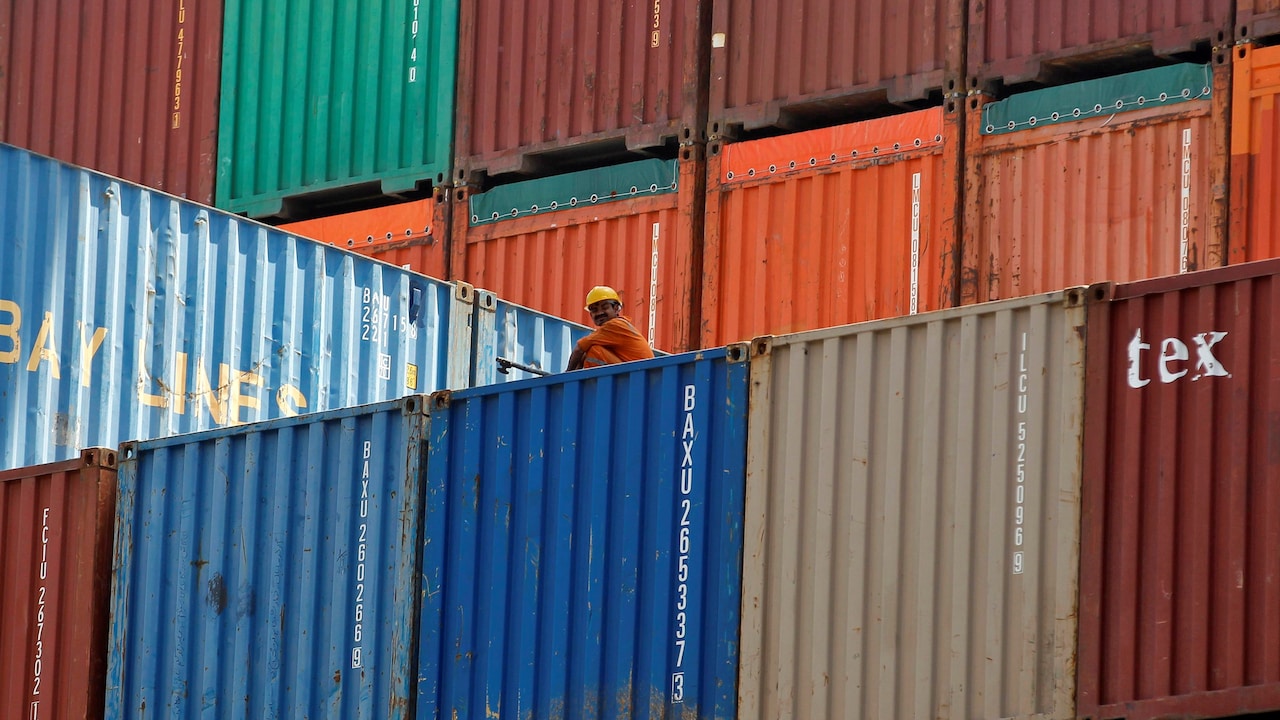
U.S. Trade Representative Jamieson Greer announced a 10% tariff on imports from India and 16 other nations on July 24, invoking Section 301 to combat forced‑labour‑linked products. The move targets $87.3 billion of Indian exports and marks a new enforcement phase in Washington’s trade agenda.
Key Takeaways
- U.S. levies a 10% tariff on imports from India and 16 other countries
- Action taken under Section 301 to curb goods made with forced labour
- Potential impact on $87.3 billion of Indian export value
Announcement and Core Details
U.S. Trade Representative Jamieson Greer announced on July 24, 2026 that new tariffs will be applied to 60 economies, just one day before the expiration of a blanket 10% surcharge that had covered all nations.
Section 301 and Forced‑Labour Prohibition
The tariffs are enforced under the Trade Act of 1974, Section 301, which authorises Washington to address trade practices that violate human‑rights standards, specifically the import of goods produced with forced labour.
Countries Covered and Rates
The 10% rate applies to 17 countries, including India, Canada, the United Kingdom, Bangladesh and Pakistan. India was previously slated for a 12.5% tariff before being aligned with the 10% tier.
India’s Response
On June 14, India amended its foreign trade policy to ban the import of products made with forced labour. Nevertheless, New Delhi has challenged the USTR investigations, urging that the issue be addressed within ongoing bilateral trade talks.
Historical Background
The United States has a history of invoking Section 301 to pressurise trading partners over compliance concerns. In 2022, the Supreme Court struck down emergency‑powers‑based “reciprocal tariffs,” prompting the administration to adopt a broader, rights‑based tariff strategy.
Why This Matters
BozokMedia analysis shows that this move not only reinforces human‑rights enforcement but also signals a tougher stance in Washington’s trade policy, likely prompting global supply‑chain recalibrations.
"Tariffs tied to forced‑labour standards are a powerful policy lever, yet they can introduce price volatility in downstream markets," notes international trade expert Dr. Maya Patel.
Frequently Asked Questions
Question 1: Which Indian products are affected by the tariff?
Answer: The tariff covers all goods deemed to be produced with forced labour, spanning textiles, electronics, and agricultural commodities.
Question 2: How will the tariff impact Indian exporters?
Answer: Analysts warn that small‑to‑mid‑size exporters may face higher costs and reduced competitiveness, while larger firms might absorb the surcharge and shift it to end‑consumers.