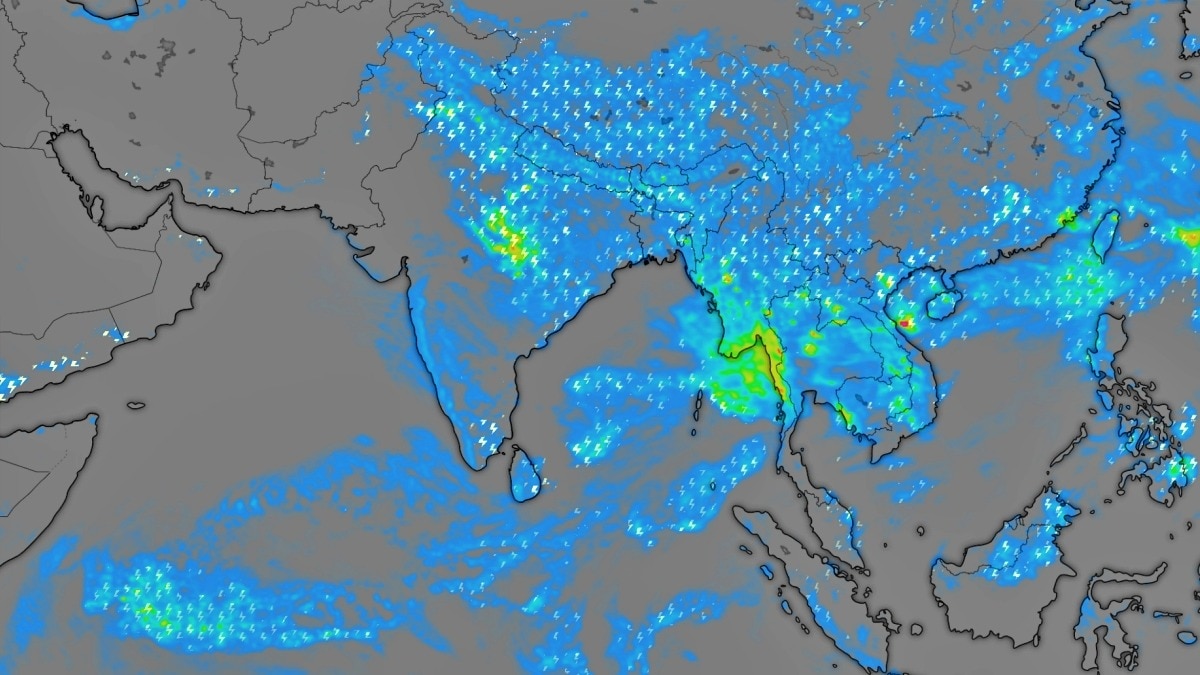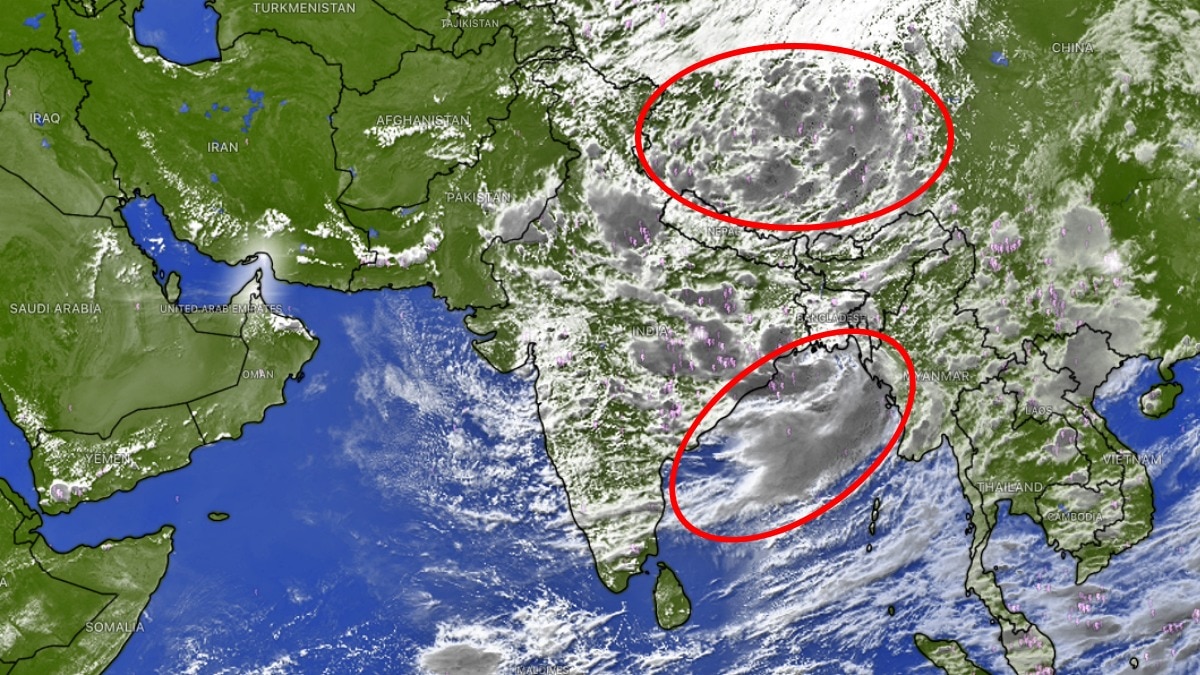
A massive monsoon circulation over the Tibetan Plateau is interacting with a deep depression from the Bay of Bengal, triggering widespread heavy rainfall and thunderstorm alerts across India.
Key Takeaways
- Interaction between Tibetan Plateau circulation and Bay of Bengal depression.
- Heavy to very heavy rainfall predicted for North, Central, and East India.
- Increased risks of flooding and landslides in vulnerable and Himalayan regions.
India's monsoon is entering a period of extreme intensity as two massive weather systems begin to interact over the subcontinent. Satellite imagery reveals a gigantic monsoon circulation over the Tibetan Plateau colliding with a deep depression that originated in the Bay of Bengal, creating a recipe for widespread thunderstorms and torrential downpours.
The India Meteorological Department (IMD) has warned that the deep depression is moving north-northwestwards, acting as a powerful moisture pump. As it advances, it meets the active monsoon trough stretching across northern India, significantly intensifying cloud formation and atmospheric instability.
Why This Matters
BozokMedia analysis shows that this dual-system interaction reinforces the southwest monsoon, expanding its reach far beyond typical seasonal patterns. While this brings much-needed relief to rain-deficient regions, it simultaneously elevates the risk of life-threatening weather disruptions.
The alignment of these two large-scale systems marks one of the most intense monsoon spells of the current season.
Meteorologists expect heavy to very heavy rainfall across Odisha, West Bengal, Jharkhand, Bihar, Chhattisgarh, Madhya Pradesh, Uttar Pradesh, Delhi, Haryana, Punjab, Uttarakhand, and Himachal Pradesh. Additionally, peninsular India, including Maharashtra, Telangana, Karnataka, and Kerala, is likely to experience intense thunderstorms.
Historical Background
Historically, the synergy between the Tibetan Plateau's thermal engine and the moisture-laden depressions from the Bay of Bengal has been the primary driver of India's most significant monsoon surges, often leading to both agricultural prosperity and catastrophic flooding.
Frequently Asked Questions
1. Which regions are at the highest risk of flooding?
Low-lying areas in eastern and central India, as well as the Himalayan states prone to landslides, are at high risk.
2. How will this affect the rest of India?
While the north and east face heavy rain, peninsular India will likely see increased thunderstorm activity and moisture-laden winds.