A surge of moisture from the Gulf of California is triggering thunderstorm watches and dust storm warnings across the Phoenix metro area. Extreme heat warnings also remain in effect.
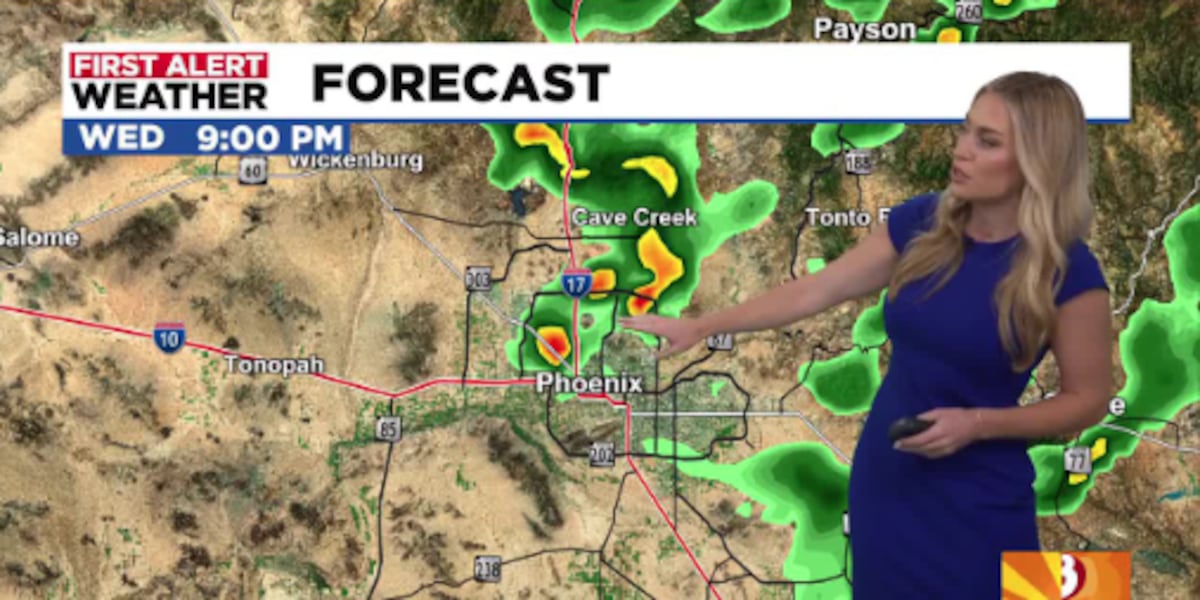
- Severe thunderstorm watch issued for Phoenix Metro and Southern Arizona.
- Dust storm warnings active for major highways including I-10 and I-17.
- Extreme heat warnings extended through Sunday with highs up to 114°F.
The weather landscape in Phoenix, Arizona, is shifting rapidly as a surge of moisture from the Gulf of California moves into the southwest and central parts of the state. This atmospheric shift has triggered a First Alert Weather Day, with a severe thunderstorm watch currently in effect for the Phoenix Metro area and southern Arizona until 11 p.m. Wednesday.
In addition to potential thunderstorms, visibility concerns are mounting due to dust storms. A warning was issued for the East Valley, specifically impacting major transit corridors such as I-10, I-17, and US-60 near Phoenix and Mesa. Drivers are urged to exercise extreme caution as blowing dust can reduce visibility to near zero in seconds.
Weather Patterns and Forecast
While meteorologists do not anticipate highly destructive weather from these specific storm cells, the coverage will be minimal and localized. However, the pattern suggests a continued threat, with potential nighttime storms forecasted for Thursday night as well. Areas such as Buckeye, Avondale, and Queen Creek have been placed under blowing dust advisories.
The interplay between monsoon moisture and extreme desert heat creates highly unpredictable and volatile weather conditions.
Why This Matters
BozokMedia analysis shows that the convergence of extreme heat and sudden monsoon activity poses a significant risk to public health and transportation safety. The ability to navigate through sudden dust storms while managing heat exhaustion is a critical concern for residents in the Southwest.
Historical Background
The Arizona monsoon season is characterized by this exact volatility. Historically, the region experiences intense periods of heat interrupted by sudden, violent thunderstorms and massive dust walls known as 'haboobs,' which can drastically alter local environments and travel conditions.
Frequently Asked Questions
1. Which highways are most affected by the dust storm?
Current warnings include I-10, I-17, and US-60 near the Phoenix-Mesa area.
2. How long will the extreme heat last?
The National Weather Service has extended the extreme heat warning through Sunday evening.