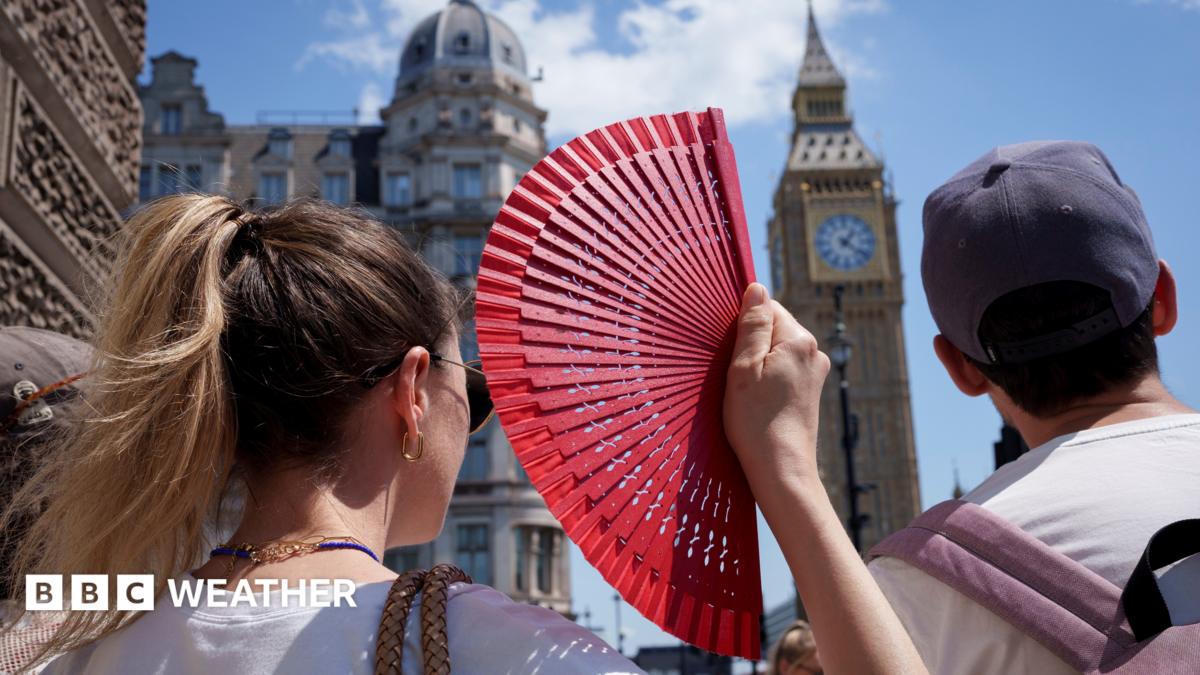
A massive fourth heatwave is hitting parts of the UK, with temperatures expected to soar into the mid-30s. Health agencies have issued urgent alerts.
Key Takeaways
- Temperatures in South-East and East England may hit 35°C.
- UKHSA has issued 'Amber Heat Health Alerts' for vulnerable groups.
- Severe drought conditions have triggered hosepipe bans in multiple areas.
- July 2026 is ranking as one of the hottest months on record.
The United Kingdom is bracing for its fourth heatwave of the year as temperatures are forecast to climb into the mid-30s Celsius later this week. The peak intensity is expected to hit the South-East and East of England by Wednesday, bringing significant heat to the region.
Health Risks and Official Alerts
The UK Health Security Agency (UKHSA) has expressed grave concern over the rising temperatures. An amber heat health alert has been issued for much of eastern England, effective from Wednesday morning. The agency warned that the extreme heat could place significant strain on health and social care services.
Why This Matters
BozokMedia analysis shows that the frequency of these heatwaves indicates a shifting climatic pattern in the UK. These thermal spikes do more than just cause discomfort; they threaten public health infrastructure and exacerbate existing environmental vulnerabilities like water scarcity.
The rapid escalation of summer temperatures in the UK is a clear indicator of the intensifying global climate crisis.
While central, southern, and eastern England face the brunt of this heat, a distinct North-South split is evident. Northern Ireland, Scotland, and northern England are expected to remain much cooler, with clouds and occasional outbreaks of rain keeping temperatures in the low 20s.
Drought and Water Scarcity
The lack of significant rainfall has led to critical conditions. Hosepipe bans are currently in force for millions of households to conserve water. Furthermore, the combination of dry ground and low soil moisture has increased the risk of wildfires across several regions. Rainfall levels in England this month have hit historic lows, with only 4.4mm recorded so far.
Frequently Asked Questions
1. Which parts of the UK are most affected by the heatwave?
The heat is primarily focused on central, southern, and eastern England, including London and the East Midlands.
2. Is rain expected to end the heatwave?
While some isolated showers are forecast later in the week, no significant rainfall is expected to mitigate the current dry spell.