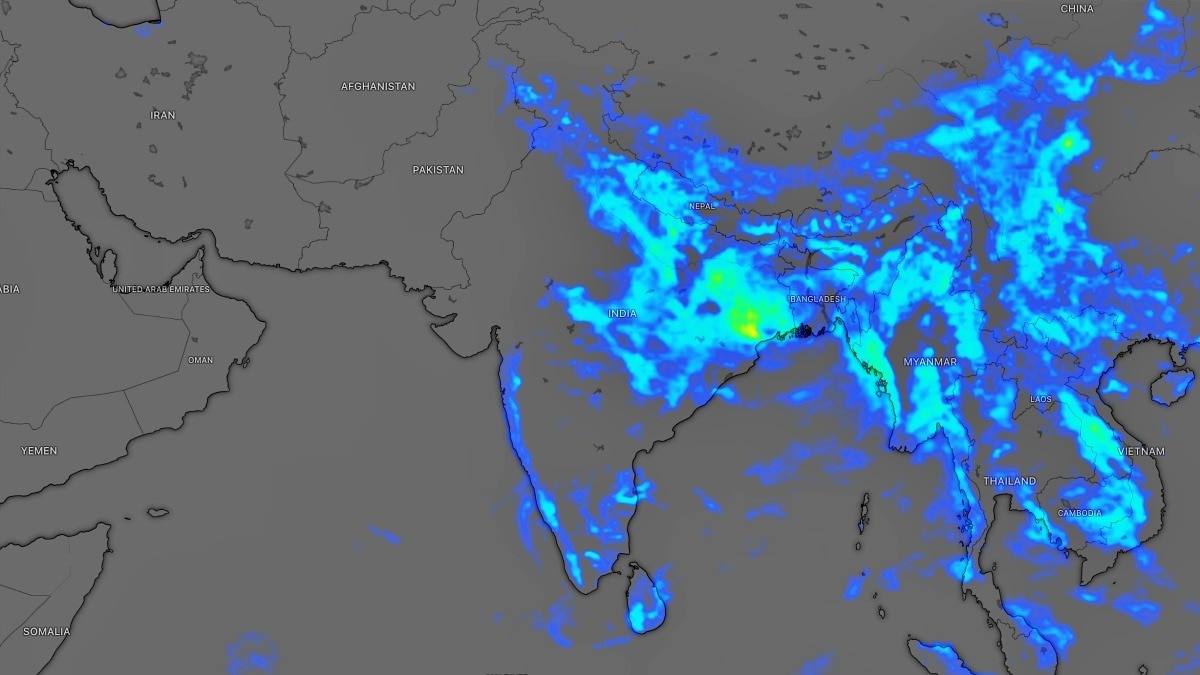
Dry north‑west winds are pushing the southwest monsoon out of northern India, leaving the country 13 % below its normal rainfall. Revival now hinges on fresh Bay of Bengal systems.
Key Takeaways
- Early signs of monsoon retreat
- India's cumulative rainfall 13% below normal
- Future recovery depends on Bay of Bengal lows
Monsoon’s Gradual Withdrawal
Data released by the India Meteorological Department (IMD) shows that cumulative rainfall since June 4 remains 13 % below the long‑term average. While parts of western and central India have received near‑normal precipitation, large swathes of the Indo‑Gangetic plains, the Northeast and the southern peninsula continue to lag behind.
Impact of Dry Air
Dry north‑west winds are now sweeping into north‑west India, displacing the moisture‑laden monsoon flow that dominated the season. Consequently, rainfall is expected to drop sharply across Punjab, Haryana, Delhi‑NCR, Rajasthan and adjoining regions, offering temporary humidity relief but suppressing cloud formation.
Historical Background
Monsoon variability has long shaped India’s agriculture. A 13 % deficit mirrors severe shortfalls recorded in the early 1990s, which led to widespread crop stress and heightened water scarcity across the subcontinent.
Why This Matters
BozokMedia analysis shows that the declining monsoon intensity directly threatens food security for over 60 % of India's agrarian population, emphasizing the urgency for adaptive irrigation strategies.
"Without a new low‑pressure system over the Bay of Bengal, northern India will continue to see suppressed rainfall." – Dr. Ravi Singh, Meteorologist
Frequently Asked Questions
Q1: Can a new Bay of Bengal low revive rainfall in north‑west India?
A: Yes, if it can draw sufficient moisture and overcome the prevailing high‑pressure ridge.
Q2: What measures can farmers adopt to mitigate the deficit?
A: Practices such as water‑harvesting, drip irrigation, and crop diversification are essential.