The global climate phenomenon El Nino is exhibiting an unprecedented phase, coinciding with a significant weakening of the Indian Ocean Dipole (IOD). This dual climatic shift poses a substantial threat to the crucial Indian Monsoon, potentially leading to widespread rainfall deficits and severe agricultural and economic repercussions across the subcontinent.
- El Nino is in an unprecedented phase, raising concerns about its intensity and duration.
- The Indian Ocean Dipole (IOD), a critical ally for the Indian Monsoon, is significantly weakening.
- This dual climatic event threatens to severely impact the monsoon, potentially leading to drought and agricultural distress.
The intricate dance of global weather patterns is currently witnessing a critical shift, with the notorious El Niño phenomenon entering what experts describe as "uncharted territory." This unusual evolution is compounded by the weakening of the Indian Ocean Dipole (IOD), a crucial oceanic and atmospheric interaction that often acts as a counterbalance to El Niño's adverse effects on the Indian subcontinent's monsoon rains. The confluence of these two powerful climate drivers signals a potentially challenging period for regions heavily reliant on monsoon rainfall.
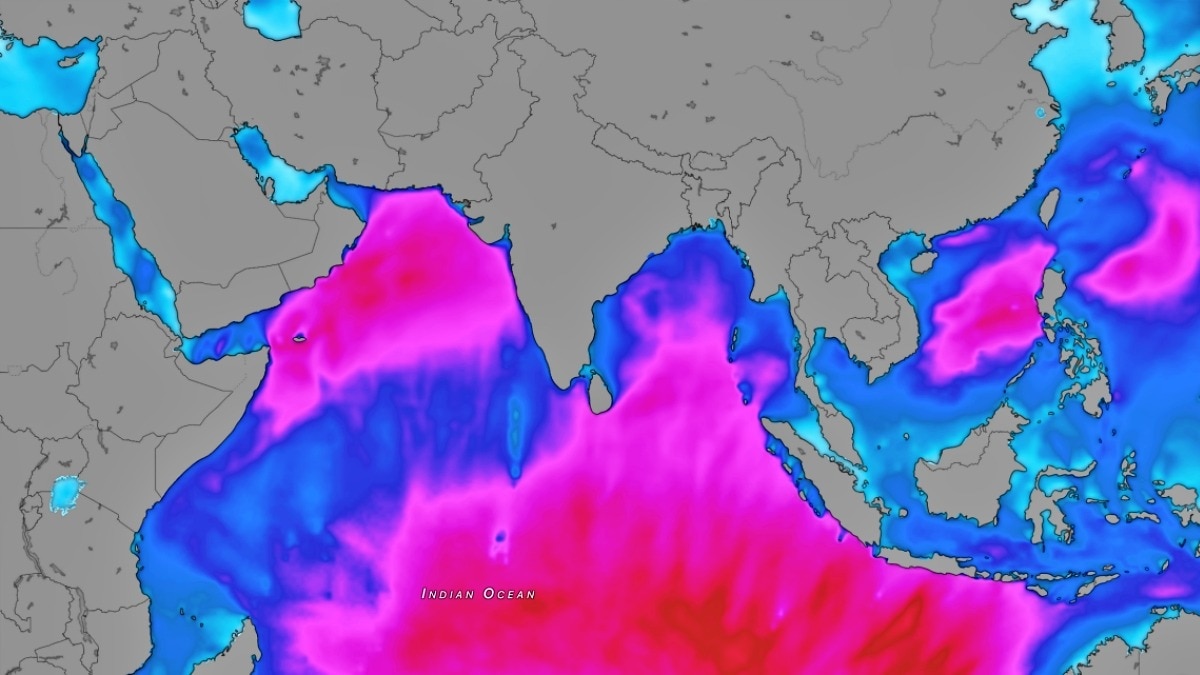
El Niño, characterized by the warming of sea surface temperatures in the central and eastern tropical Pacific Ocean, typically leads to reduced rainfall over parts of India and Southeast Asia. Its current phase is particularly concerning due to its atypical strength and persistence, defying conventional models and historical patterns. Simultaneously, the IOD, which measures the difference in sea surface temperatures between the western and eastern equatorial Indian Ocean, is showing signs of weakening. A positive IOD usually brings good monsoon rains to India, while a negative IOD can exacerbate drought conditions. The current weakening trend suggests a diminished capacity to mitigate El Niño's influence, leaving the monsoon more vulnerable.
Historical Background
India's agricultural economy and water security are intrinsically linked to the performance of the monsoon. Historically, strong El Niño events have often corresponded with deficient monsoon seasons, leading to droughts, crop failures, and significant economic setbacks. Notable instances include the severe droughts of 1972, 1987, and 2002, all of which occurred during El Niño years. While the IOD has sometimes offered a reprieve, producing positive phases that partially offset El Niño's impact, its current weakened state removes this critical buffer, making the present situation particularly precarious.
The implications of this dual climatic event extend far beyond agricultural yields. A compromised monsoon can lead to widespread water scarcity, affecting drinking water supplies, industrial operations, and hydroelectric power generation. Food inflation is a likely consequence, impacting household budgets and potentially leading to social unrest. Governments and disaster management agencies are now closely monitoring the situation, preparing for potential contingencies, including drought relief measures and adjustments in agricultural policies.
Why This Matters
BozokMedia analysis shows that the combined effect of an unprecedented El Niño and a weakening IOD creates a 'perfect storm' scenario for the Indian subcontinent. The agricultural sector, which employs a significant portion of the population, is directly exposed to rainfall variability. Beyond immediate crop losses, long-term impacts on soil health, water tables, and rural livelihoods could be severe. Furthermore, the global interconnectedness of food markets means that a major shortfall in India's agricultural output could have ripple effects on international commodity prices and supply chains, making this a matter of global economic concern.
"The current configuration of El Niño and a diminishing IOD presents a unique and concerning challenge, potentially pushing regional weather patterns into uncharted and unpredictable territory for the upcoming monsoon season."
Frequently Asked Questions
1. How does El Niño typically affect the Indian Monsoon?
El Niño generally leads to a reduction in rainfall during the Indian Monsoon season due to changes in atmospheric circulation patterns, often resulting in drought conditions in many parts of India.
2. What is the role of the Indian Ocean Dipole (IOD) in monsoon dynamics?
The IOD influences monsoon rainfall by creating temperature differences across the Indian Ocean; a positive IOD typically enhances monsoon rainfall over India, while a negative IOD can suppress it.