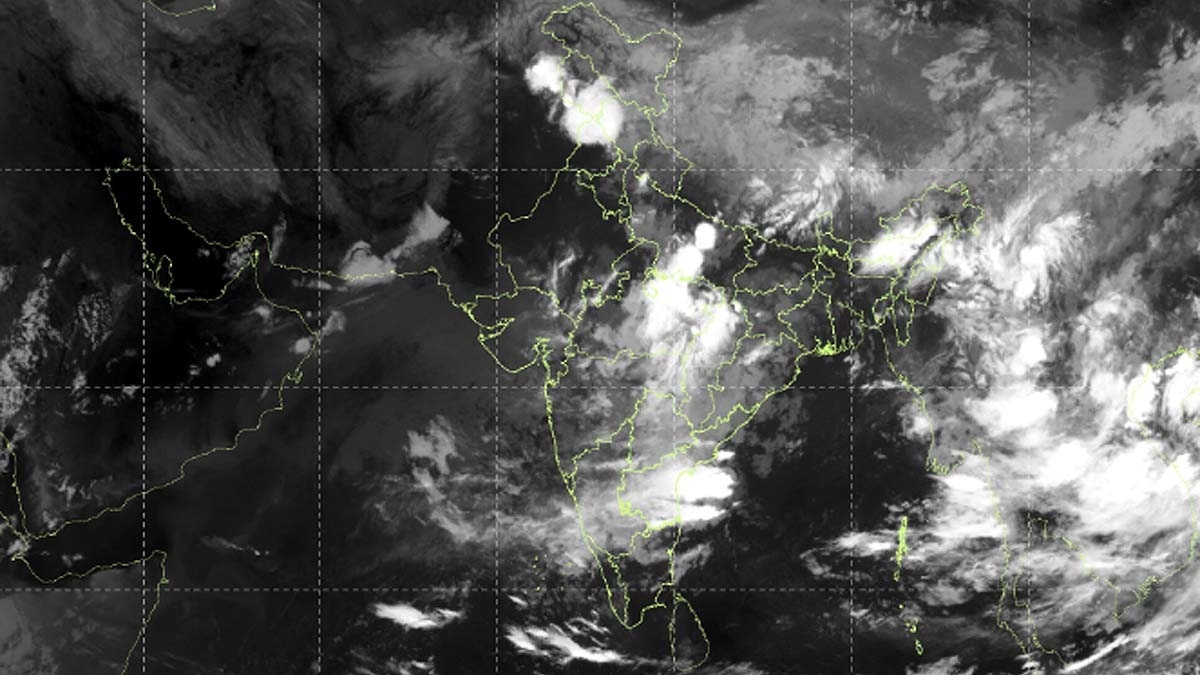
The India Meteorological Department warns of continuous heavy rain for the next 144 hours across eastern Madhya Pradesh, Chhattisgarh and southeastern Uttar Pradesh. Flooding and water‑logging are expected, prompting authorities to issue precautionary advisories. Residents are urged to stay informed and avoid low‑lying areas.
- Continuous heavy rain for the next 144 hours
- Flood risk in MP, Chhattisgarh and UP
- Authorities have mobilised rescue teams and issued safety alerts
Detailed Meteorological Outlook
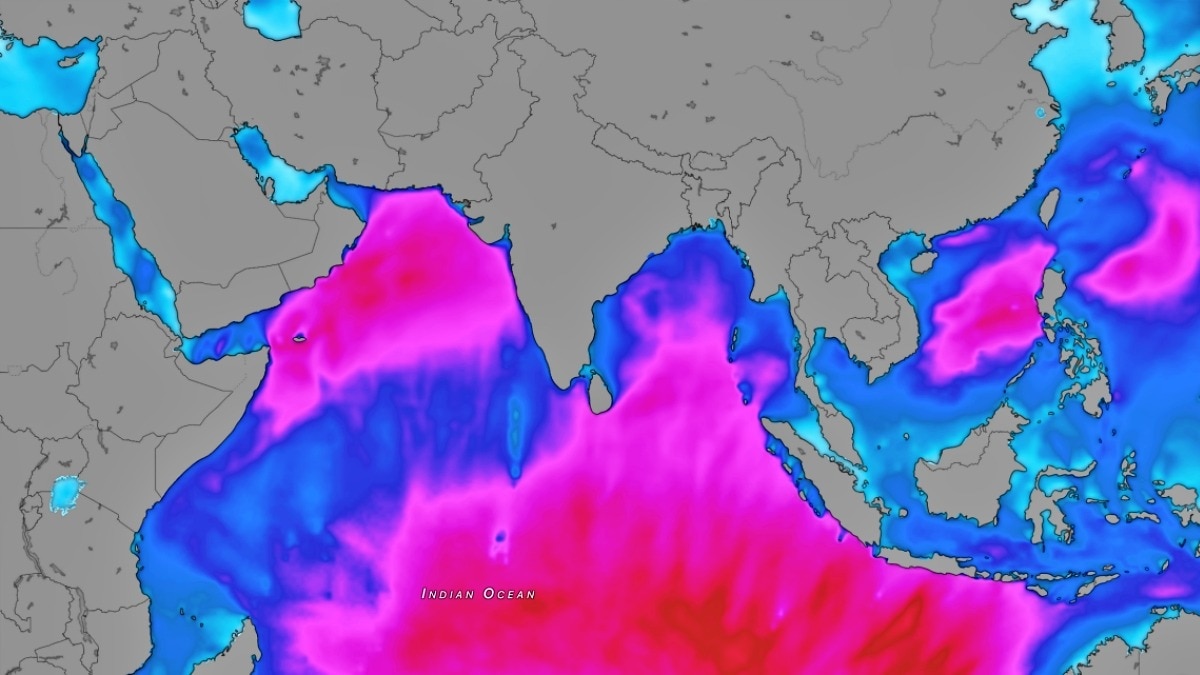
The India Meteorological Department (IMD) using the ECMWF model projects persistent rainfall over eastern Madhya Pradesh, Chhattisgarh and southeastern Uttar Pradesh for the next six days. Certain pockets may experience intense downpours, raising the likelihood of water‑logging and road disruptions.
States and Key Locations at Risk
Madhya Pradesh: Districts such as Baghelkhand, Sagar and Jabalpur could see rapid water accumulation in low‑lying zones.
Chhattisgarh: Areas around Bastar, Durg and Raipur are expected to see rising river levels, potentially triggering flash floods.
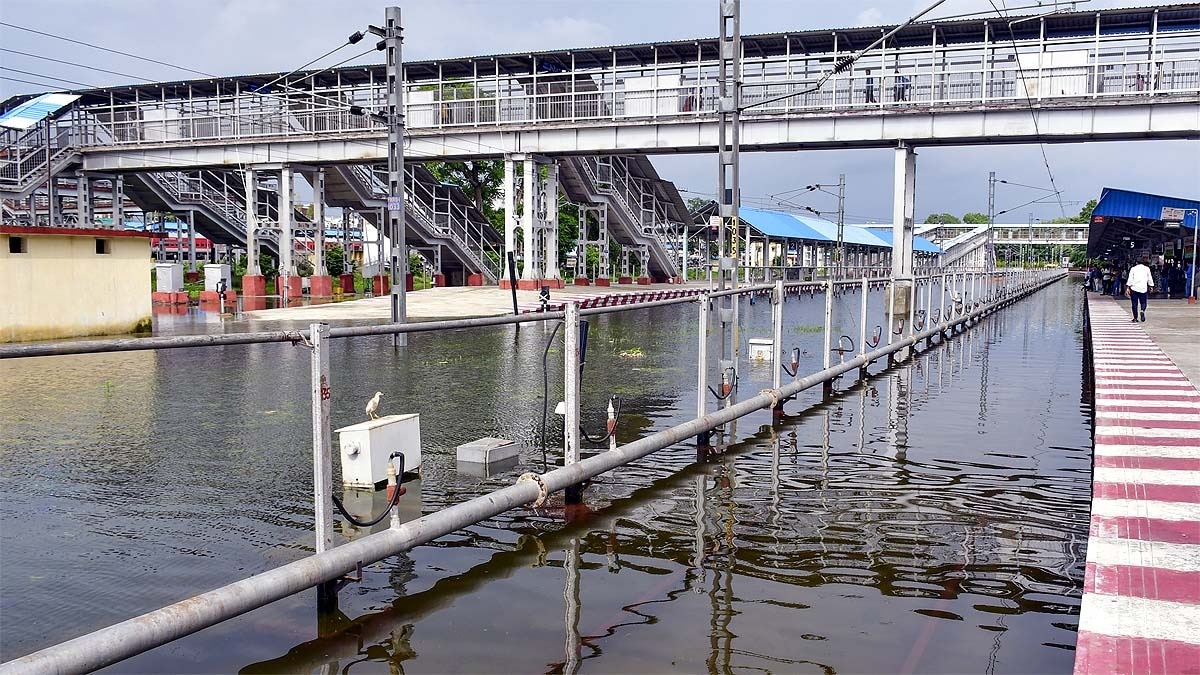
Uttar Pradesh: Prayagraj, especially the Rambag railway station, has already reported water‑filled tracks, and the Ganga River banks are under stress.
Government Preparedness
State governments have deployed disaster‑relief teams, set up sandbag barriers, and issued evacuation advisories. Police and local bodies are on standby to guide citizens to safe shelters.
Why This Matters
BozokMedia analysis shows that prolonged monsoon disturbances can strain agricultural output and disrupt supply chains across central India, potentially affecting food prices nationwide.
"If the intensity and duration of rainfall increase simultaneously, it could have long‑term repercussions on agrarian economies," said climatologist Dr. Anjali Singh.
Frequently Asked Questions
Q1: Will the heavy rain affect crop yields?
A: Flood‑prone lowlands may suffer damage to rice and sugarcane, while higher‑elevation farms could remain relatively unharmed.
Q2: What safety measures should residents follow?
A: Avoid riverbanks, heed local alerts, keep emergency kits ready, and use designated evacuation routes.