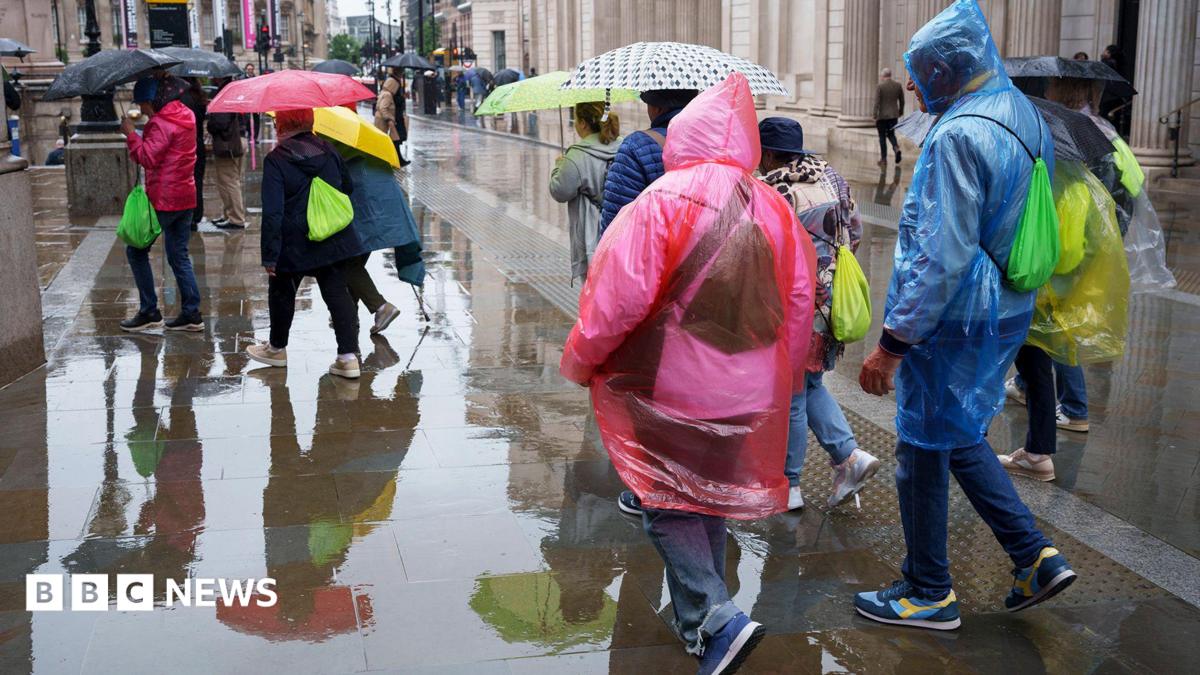
While the UK braces for much-needed rainfall, experts warn that heavy showers hitting parched, hard ground could trigger flash floods without resolving the widespread water crisis.
- Heavy rain falling on hard, dry soil increases the risk of surface water flooding.
- Major water firms like South East Water and Wessex Water have imposed strict usage restrictions and hosepipe bans.
- Experts suggest it will take weeks of sustained rain to replenish reservoirs and restore vegetation.
The United Kingdom is facing a paradoxical weather crisis as heavy rainfall is forecast to hit regions currently suffering from severe drought. While the Met Office predicts the 'first meaningful rain in a long time,' meteorologists warn that the immediate impact might be flash flooding rather than drought relief. This phenomenon occurs because the parched, baked soil becomes unable to absorb moisture rapidly.
Mike Silverstone, the Met Office's deputy chief forecaster, noted that while showers are expected to spread across the south and south-west, the intensity of these bursts could lead to significant surface water flooding. This dual threat of drought and flood creates a complex challenge for emergency services and local authorities.
Why This Matters
BozokMedia analysis shows that this weather pattern is a hallmark of climate instability. The transition from extreme heatwaves to intense rainfall bursts places immense pressure on aging water infrastructure and agricultural stability, highlighting the urgent need for resilient water management strategies.
As some of these showers could be intense, there is a chance of some surface water flooding as the rain falls on very dry and hard ground.
The water scarcity remains critical. South East Water has instructed customers in Kent to limit usage to essential tasks only, following reports of dry taps. Meanwhile, Wessex Water has implemented a massive hosepipe ban affecting approximately 1.4 million customers across Bath, Somerset, Dorset, and Wiltshire—a move reminiscent of the historic drought of 1976.
Data from the Environment Agency reveals that five of England’s primary reservoirs are at 'exceptionally low' levels. Thames Water has also reported that despite a recent drop in demand due to restrictions, reservoir storage in London remains significantly lower than seasonal norms.
Historical Background
The current water crisis draws chilling parallels to the summer of 1976, one of the UK's most notorious drought periods. As climate change intensifies heatwaves, the gap between extreme dry spells and sudden, heavy precipitation events is widening, making traditional water conservation methods even more vital.
Frequently Asked Questions
Q1: Why does rain cause flooding during a drought?
A: When ground is extremely dry, it becomes hard and compacted, preventing rainwater from soaking in and causing it to run off the surface instead.
Q2: When will reservoir levels return to normal?
A: According to climate experts, it will require many weeks of sustained, consistent rainfall to fully replenish the water supply.