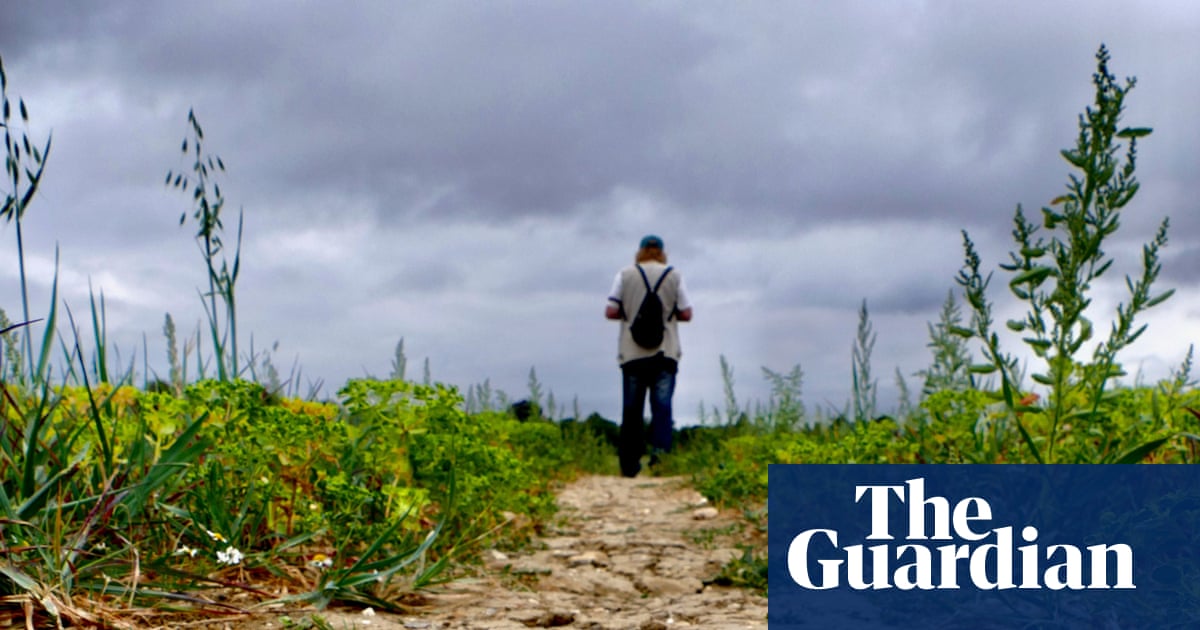
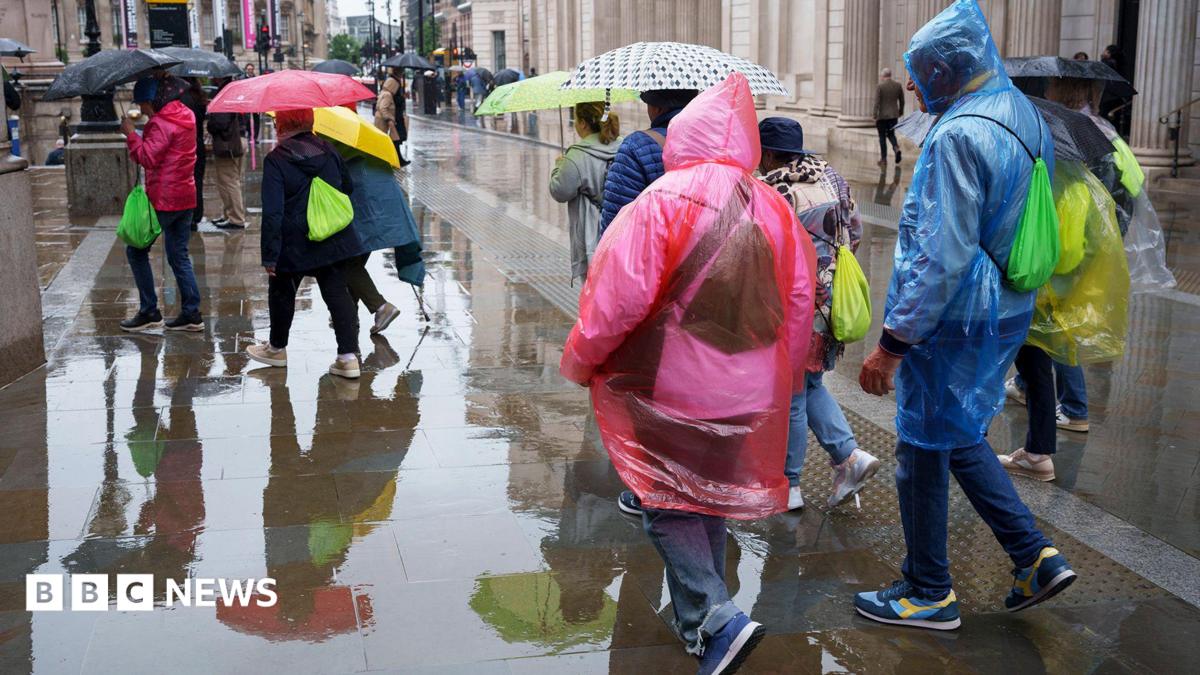
The Old Farmer's Almanac has issued its extended fall forecast for New York, predicting colder-than-normal temperatures across much of the state with varying precipitation levels.
- Most of New York is expected to experience a colder-than-average fall.
- Western and Central regions are likely to see drier conditions.
- Northeastern New York is forecasted to be wetter than usual.
The Old Farmer’s Almanac has officially released its highly anticipated extended fall forecast, providing a detailed outlook for weather patterns across the United States, with a specific focus on New York. The publication suggests a diverse range of conditions, indicating that while some areas will face cooler and wetter weather, others may experience warmer and drier spells.
Regional Breakdown of the Forecast
According to the report, the weather in New York will not be uniform. Residents in different parts of the state should prepare for distinct climatic shifts:
- Western and Central New York: Areas including Buffalo, Rochester, and parts of the Southern Tier are expected to see near-normal or slightly below-normal precipitation, with temperatures hovering around or slightly below average.
- Northeastern New York: The Capital Region, Adirondacks, and upper Hudson Valley are in for a wetter-than-usual season with temperatures expected to remain below normal.
- Atlantic Corridor (NYC & Long Island): Residents in New York City and Long Island should prepare for cooler and drier-than-normal conditions.
| Region | Forecasted Condition | Temperature Trend |
|---|---|---|
| Lower Lakes (Rochester, Buffalo) | Near/Below Normal Rainfall | Near or Slightly Below Normal |
| Northeast (Albany, Adirondacks) | Wetter than Normal | Below Normal |
| Appalachian (Ithaca, Binghamton) | Drier than Normal | Below Normal |
| Atlantic Corridor (NYC, Long Island) | Drier than Normal | Below Normal |
Why This Matters
BozokMedia analysis shows that these seasonal shifts have profound implications for local agriculture, heating costs, and regional infrastructure planning. A colder-than-average fall can accelerate the transition to winter, requiring households and businesses to adjust their energy consumption and seasonal preparations earlier than expected.
While the Almanac boasts high accuracy, meteorologists caution that long-range seasonal forecasts inherently carry significant uncertainty.
Historical Context and Accuracy: For over two centuries, the Old Farmer’s Almanac has utilized a blend of solar science, climatology, and meteorology to predict weather. While the publication claims an 80% accuracy rate, many professional meteorologists suggest that the actual accuracy of long-range seasonal predictions often sits closer to 50% due to the complex nature of atmospheric shifts.
Frequently Asked Questions
Question 1: When does fall officially begin in New York?
Answer: Astronomically, fall begins with the autumnal equinox on September 22. Meteorologically, it begins on September 1.
Question 2: How reliable is the Old Farmer's Almanac?
Answer: The Almanac claims 80% accuracy, though many weather experts view long-range seasonal forecasts with more caution.