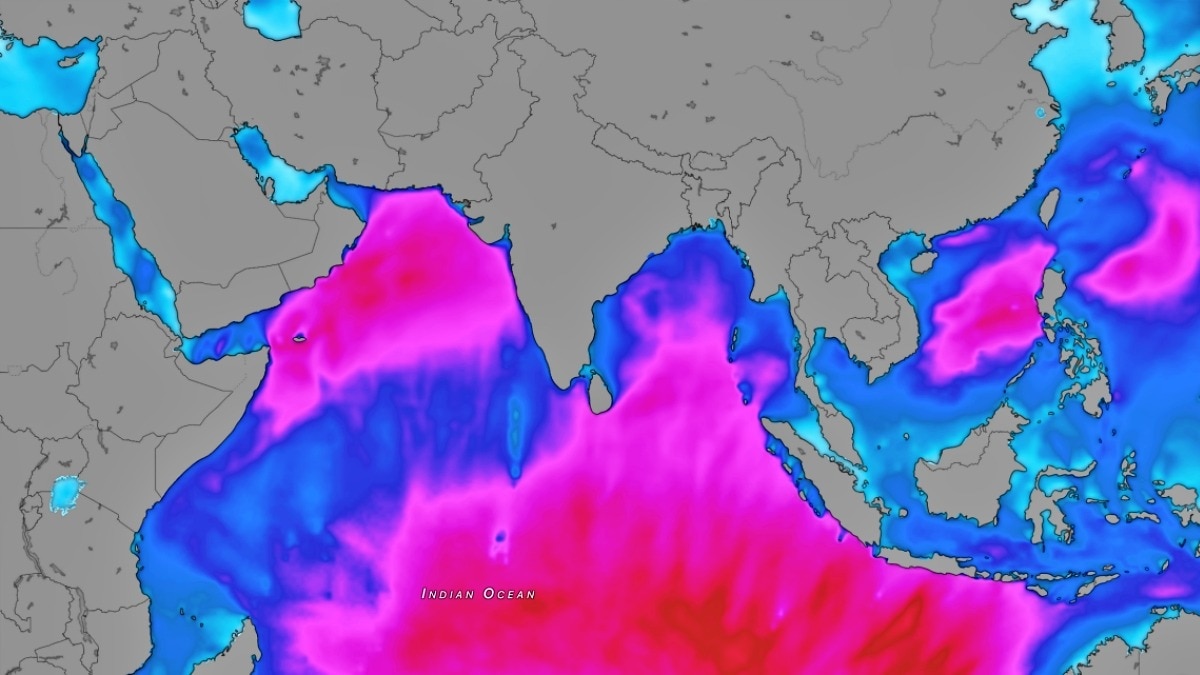
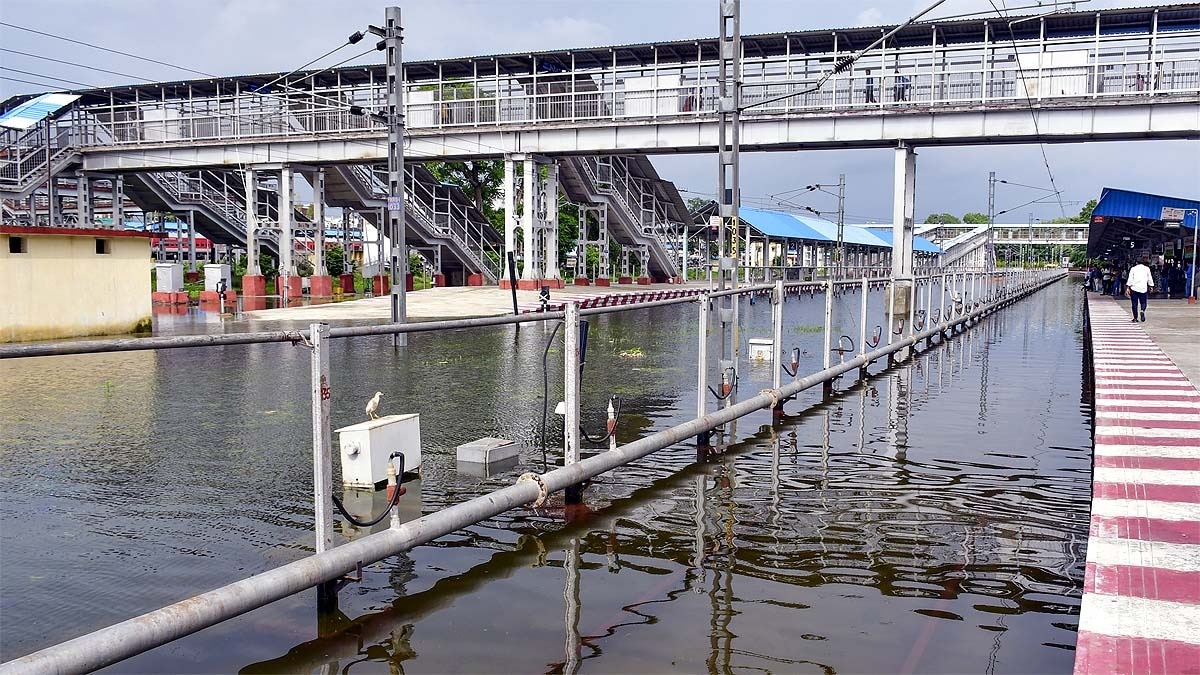
High-period swell waves originating from the Southern Indian Ocean have reached the coasts of Kerala, South Tamil Nadu, and Lakshadweep, prompting an alert from INCOIS. Authorities warn of potential wave surges and inundation in low-lying coastal areas from the evening of August 20, 2026, advising fishermen and residents to exercise extreme caution and suspending all beach activities.
- The Indian National Centre for Ocean Information Services (INCOIS) has issued an alert for high-period swell waves affecting the coastal regions of Kerala, South Tamil Nadu, and Lakshadweep.
- Wave surges and potential inundation in low-lying coastal areas are expected from the evening hours of August 20, 2026.
- Fishermen are advised to avoid venturing into the sea, small vessels are cautioned against nearshore operations, and all tourism and recreational activities at beaches have been suspended.
High-period swell waves originating from the Southern Indian Ocean have now reached India's southern coasts, specifically impacting Kerala, South Tamil Nadu districts, and the Lakshadweep islands. The Indian National Centre for Ocean Information Services (INCOIS), the agency responsible for providing ocean forecasts during extreme weather conditions, has confirmed this development. INCOIS has monitored the interaction of these waves with the coast off Kozhikode, Kanyakumari, and Thoothukudi, signaling an increased risk of coastal inundation.
According to INCOIS, this swell system is expected to persist and continue interacting with the coast until the end of August 20, 2026. Consequently, wave surges and inundation in low-lying areas of these coastal regions may occur from the evening hours of August 20. This alert is particularly critical for fishermen and coastal populations who depend on the sea for their livelihoods. They are cautioned about intermittent gushing of seawater in the nearshore and beach regions, especially in vulnerable low-lying areas.
In response to these hazardous conditions, authorities have implemented several precautionary measures. Fishermen and the general public have been advised not to ply small vessels nearshore along the coast of Kerala. Furthermore, boats are urged to be anchored at a fair distance from each other to prevent collisions and damage. All operational and recreational activities, including all tourism activities at the beach and nearshore regions, have been suspended with immediate effect to mitigate risks.
INCOIS, which plays a pivotal role in India's marine meteorology, issues its forecasts using multi-model numerical ocean prediction systems. These systems are integrated with real-time observational data from moored buoys, wave rider buoys, and other ocean observing platforms, including observations from the Southern Indian Ocean. This sophisticated system ensures accurate and timely warnings, allowing coastal communities to prepare effectively.
This event comes shortly after Kerala declared tidal flooding a State-specific disaster in February 2026, highlighting the increasing vulnerability of coastal regions. Researchers have also called for redrawing disaster management strategies amidst increasing extreme rainfall events. These high-period swell waves, known for their long wavelength and deep-ocean energy, can have significant impacts on the shoreline, leading to erosion and damage to infrastructure.
Why This Matters
BozokMedia analysis shows that such recurring weather phenomena for coastal regions, especially in the context of escalating climate change impacts, carry severe economic and social implications. Communities reliant on tourism face immediate losses, while fishing communities confront direct threats to their livelihoods. The increasing frequency of these events strains regional disaster management capacities and underscores the need for long-term adaptation strategies to safeguard coastal infrastructure and lives.
Experts in oceanography believe that investing in advanced forecasting systems and robust coastal management strategies is now more crucial than ever to protect vulnerable coastal communities.
The situation is being closely monitored by authorities, with a particular focus on low-lying coastal areas that are especially vulnerable. Residents in these regions are urged to adhere to all official advisories and be prepared for any emergency. An integrated approach to coastal safety, encompassing early warning systems, community awareness, and infrastructural resilience, is essential to combat these growing challenges.
Frequently Asked Questions
- What are high-period swell waves and how do they differ from regular waves?
High-period swell waves are ocean waves with long wavelengths that originate in the open ocean and can travel vast distances without losing much energy. Unlike typical wind-generated waves, these swells carry significantly more energy and power when they reach the coast, leading to more powerful surges and a higher risk of inundation. - How does INCOIS forecast these swell waves?
INCOIS utilizes multi-model numerical ocean prediction systems, integrated with real-time ocean observations from moored buoys, wave rider buoys, and other platforms, including data from the Southern Indian Ocean. This data helps scientists accurately predict wave height, period, and direction.