Signs of the southwest monsoon's retreat are emerging as dry winds penetrate northwest India. Cumulative rainfall remains 13% below normal, raising concerns for agriculture.
- India's cumulative rainfall since June 4 is 13% below normal.
- Dry northwesterly winds are replacing moisture-laden monsoon flows.
- Significant rainfall deficits persist in the Indo-Gangetic plains and Northeast.
- Rainfall activity is expected to drop in Punjab, Haryana, and Delhi-NCR.
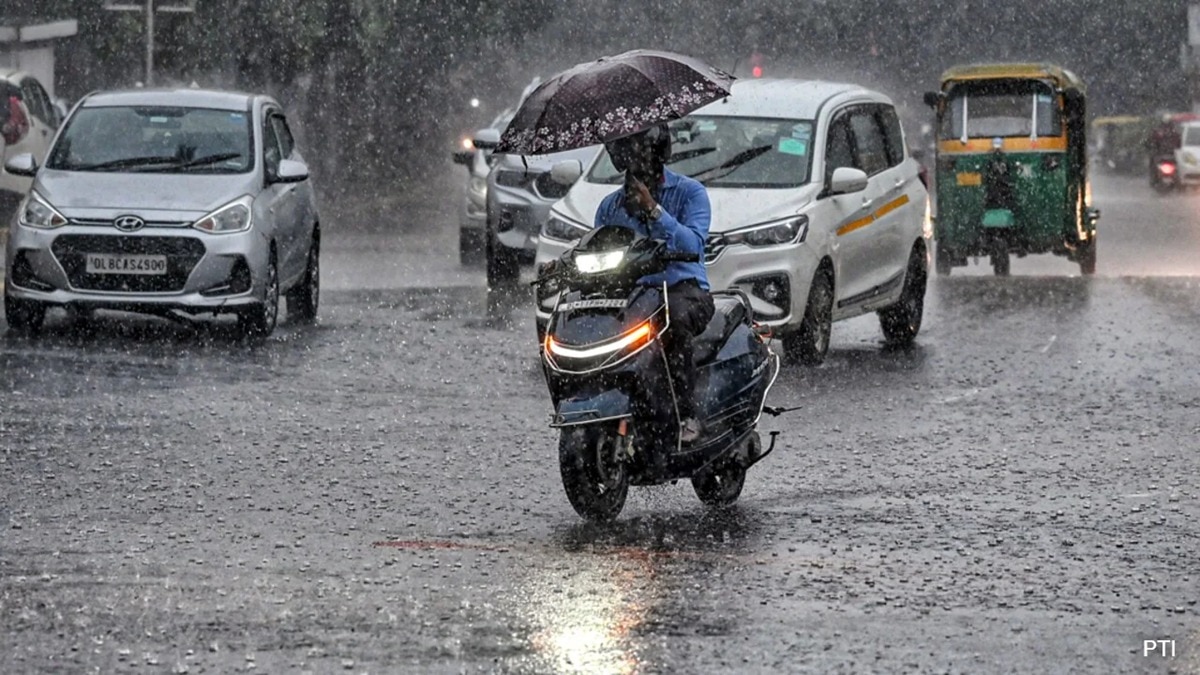
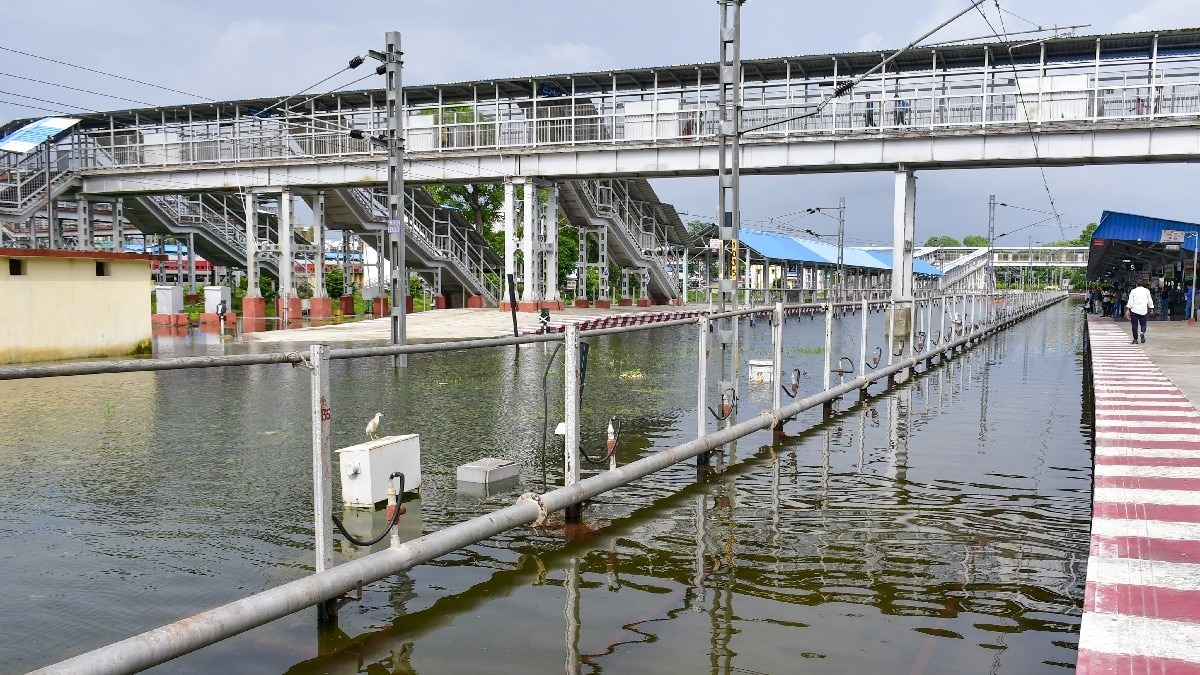
After weeks of intermittent heavy rainfall, the southwest monsoon appears to be entering its withdrawal phase. According to the latest data from the India Meteorological Department (IMD), the cumulative rainfall across the country since June 4 stands at 13% below the seasonal average. This deficit highlights the highly uneven distribution of precipitation during this year's monsoon cycle.
A major atmospheric shift is currently underway. Dry, northwesterly winds are pushing into northwest India, effectively displacing the moisture-heavy monsoon winds. This transition is expected to lead to a sharp decline in rainfall across Punjab, Haryana, Delhi-NCR, and Rajasthan. While the influx of dry air may provide relief from high humidity, it will simultaneously suppress cloud formation and subsequent precipitation.
Why This Matters
BozokMedia analysis shows that the current rainfall deficit poses a significant risk to India's agrarian economy. States like Uttar Pradesh, Bihar, Jharkhand, and Karnataka are reporting below-normal rainfall, which directly impacts soil moisture levels and the health of standing crops. The ability of the monsoon to 'recover' this deficit depends heavily on new weather systems forming in the Bay of Bengal.
The shift of the monsoon trough toward the Himalayan foothills is a definitive indicator that the plains are losing their primary moisture source.
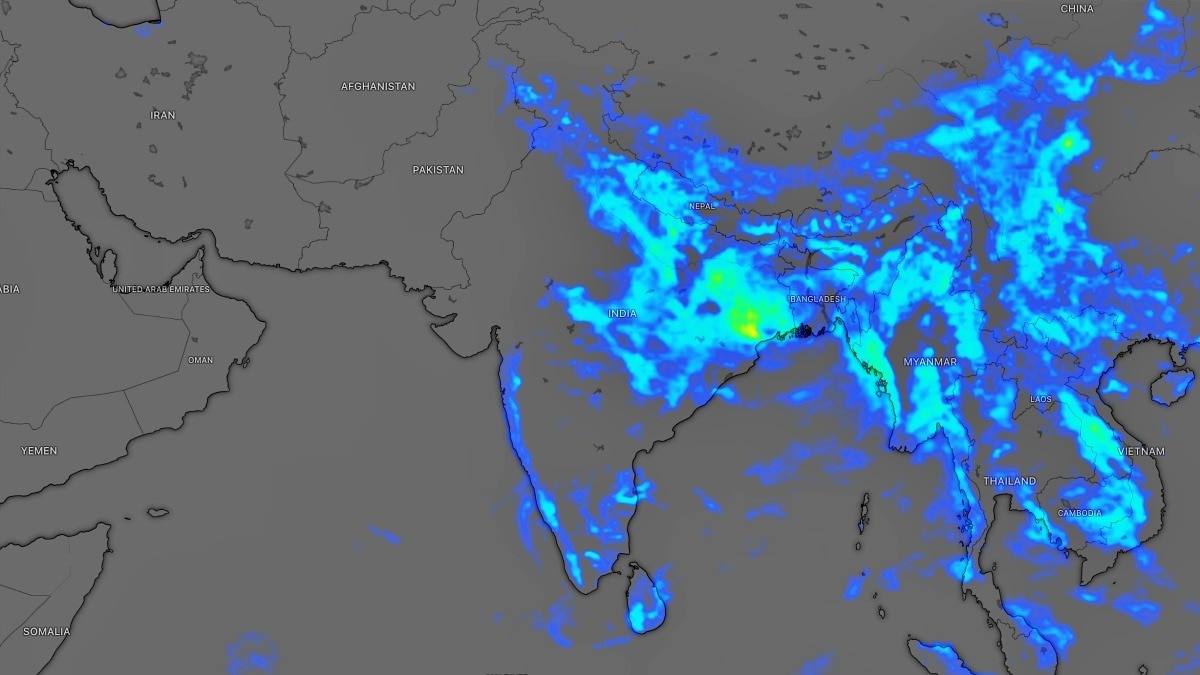
Satellite imagery confirms that the monsoon trough has migrated closer to the Himalayan foothills. This movement is a classic meteorological sign of weakening monsoon intensity over the northern plains. Unless a fresh low-pressure system develops and moves inland, the rainfall-starved regions may struggle to see significant relief.
Historical Background
The Indian monsoon is the lifeblood of the nation's economy. Historically, the timing and distribution of these rains have dictated agricultural productivity. In recent years, erratic patterns—characterized by long dry spells followed by intense, concentrated heavy rain—have become more frequent due to shifting global climate patterns.
Frequently Asked Questions
1. Will the dry winds cause more heatwaves?
While they may reduce humidity and provide some relief from 'stickiness,' the lack of cloud cover could lead to higher daytime temperatures.
2. Can the rainfall deficit be corrected?
It is possible if new low-pressure systems form in the Bay of Bengal and carry moisture into the mainland, but the window for such revival is narrowing.