The intensifying El Niño phenomenon in the Pacific and the neutral state of the Indian Ocean Dipole are causing erratic monsoon patterns in Gujarat, raising fears of drought in Saurashtra and Kutch.
- The intensification of El Niño is negatively impacting India's monsoon, including Gujarat.
- The Indian Ocean Dipole (IOD) has reached a neutral state, reducing its ability to buffer El Niño's effects.
- Saurashtra and Kutch regions are at a high risk of drought-like conditions.
- Experts warn that we may be witnessing a 'Super El Niño' event.
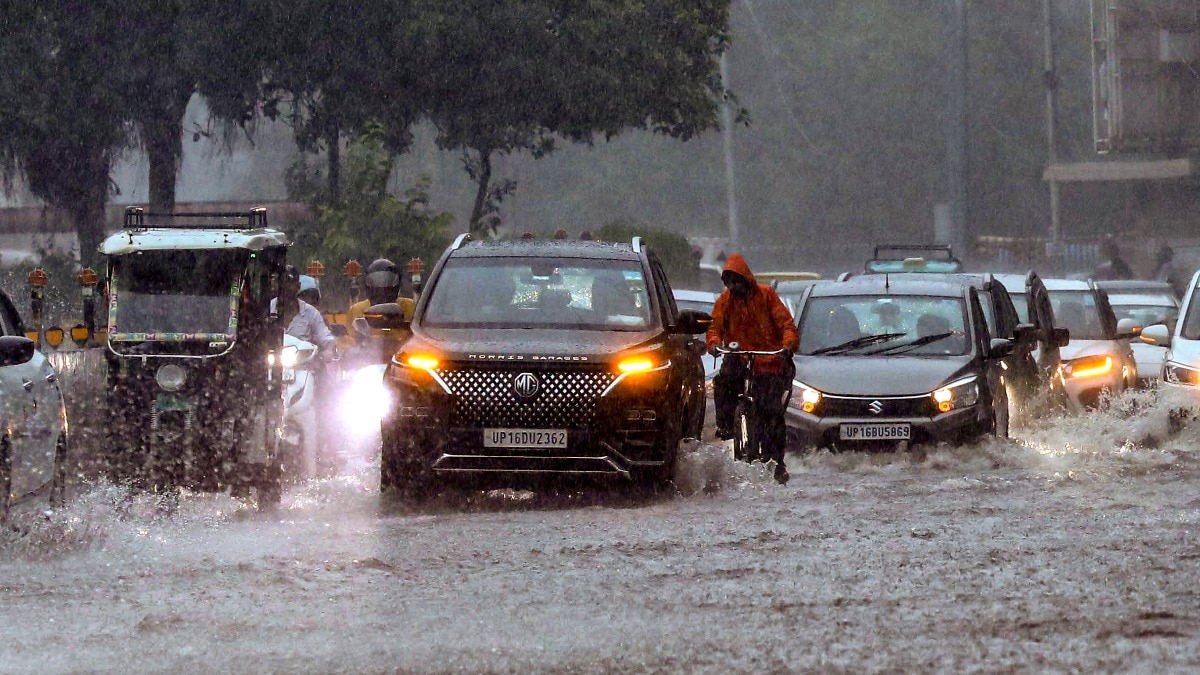
The monsoon patterns in Gujarat have undergone a significant shift this year. While some regions experienced heavy rainfall leading to flood-like situations, others are struggling with insufficient precipitation for sowing. This volatility is being driven by complex oceanic interactions that extend far beyond the Indian coastline.
The Connection Between El Niño and Gujarat
El Niño, a climate phenomenon characterized by the warming of surface waters in the central and eastern Pacific Ocean, has a profound impact on global weather. According to meteorologists, this phenomenon acts as a broad driver that can suppress the Indian monsoon. Prof. Manoj Lunagariya from Anand Agricultural University explains that the intensity of El Niño is increasing and is expected to persist through the post-monsoon months of November and December.
Why This Matters
BozokMedia analysis shows that the interplay between El Niño and the Indian Ocean Dipole (IOD) is critical for India's agricultural stability. When El Niño is strong and the IOD is neutral or negative, the natural 'safety net' for Indian rainfall is removed, leading to unpredictable and often deficient monsoon seasons.
The current intensity of El Niño is unprecedented in recent years, signaling a potential shift toward a 'Super El Niño' event.
The Indian Ocean Dipole (IOD), which influences air pressure between the eastern and western Indian Ocean, is currently in a neutral state (+0.18°C). A positive IOD typically helps balance the negative effects of El Niño by boosting rainfall; however, its current neutrality means it cannot provide that much-needed relief to the subcontinent.
Regional Disparities in Gujarat
A notable pattern has emerged in Gujarat's rainfall distribution. While Central, North, and South Gujarat are seeing relatively average monsoon activity, the Saurashtra and Kutch regions are witnessing significantly lower activity. This regional imbalance poses a severe threat to local farmers and water security.
| Factor | Role in Monsoon | Current Status |
|---|---|---|
| El Niño | Suppresses rainfall | Intensifying / Super El Niño risk |
| IOD | Balances rainfall | Neutral (+0.18°C) |
| Gujarat Pattern | Regional distribution | Active in South/Central; Low in Saurashtra/Kutch |
Frequently Asked Questions
1. How does El Niño affect the Indian monsoon?
El Niño tends to weaken the moisture-laden winds coming from the ocean, often leading to below-average rainfall in India.
2. Which parts of Gujarat are most at risk?
Saurashtra and Kutch are currently facing the highest risk of drought-like conditions due to low monsoon activity.