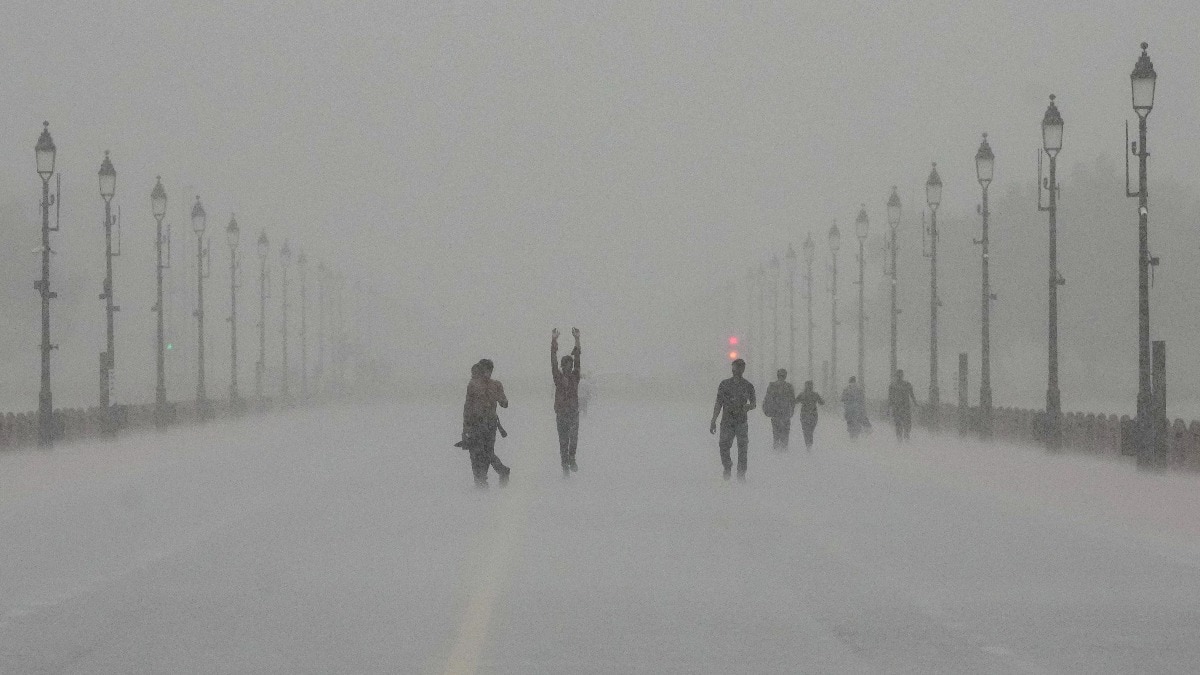
The intensifying El Nino phenomenon in the Pacific Ocean is set to disrupt global weather patterns, causing a significant rainfall deficit in India and threatening wheat crops. IMD reports a 16% drop in August rainfall, signaling a long-term climatic shift.
- August saw a 16% deficit in nationwide rainfall.
- The El Nino effect could persist until February 2027.
- Winter seasons in North India are shortening due to rising temperatures.
- Wheat production faces severe risks from unexpected heat stress.
As parts of the world grapple with unprecedented floods and droughts, a massive climatic shift in the Pacific Ocean is poised to disrupt global weather systems. The 'El Nino' phenomenon is strengthening, with the World Meteorological Organization (WMO) issuing grave warnings that its impact could last until February 2027. This is not merely a seasonal change but a potential global economic crisis.
The Indian Monsoon Crisis
For India, the name 'El Nino' is synonymous with monsoon deficiency. According to data from the India Meteorological Department (IMD), August recorded 16% less rainfall than the long-period average. Furthermore, 2024 has seen one of the hottest Augusts since 1901, raising alarms about the stability of the monsoon cycle.
The strengthening of El Nino acts as a catalyst for extreme weather volatility, directly impacting global food security and economic stability.
Shortening Winters and Early Summers
The implications extend beyond the monsoon. Research from 'Climate Trends' indicates that winters in North India are becoming shorter and milder. February, a crucial month for the transition, is warming at a rate of approximately 0.69 degrees Celsius per decade. This trend suggests that summer heat will arrive much earlier than usual, disrupting the natural agricultural cycle.
A Major Blow to Wheat Production
The most critical threat lies in the agricultural sector, specifically for the Rabi crop. Wheat cultivation relies heavily on stable temperatures during February and March. If unseasonal heatwaves occur during this grain-filling stage, the crops will suffer from extreme heat stress, leading to a massive decline in yield and threatening national food security.
Why This Matters
BozokMedia analysis shows that the intersection of El Nino and rising global temperatures creates a 'double whammy' for developing nations like India, where a significant portion of the population depends on predictable weather for their livelihood.
Frequently Asked Questions
1. How does El Nino affect the Indian Monsoon?
El Nino alters atmospheric circulation patterns, often suppressing the moisture-laden winds that bring monsoon rains to the Indian subcontinent.
2. Why is wheat specifically at risk?
Wheat requires cool temperatures during its reproductive stage; sudden heat spikes in late winter can cause the grains to shrivel, reducing harvest quality and quantity.