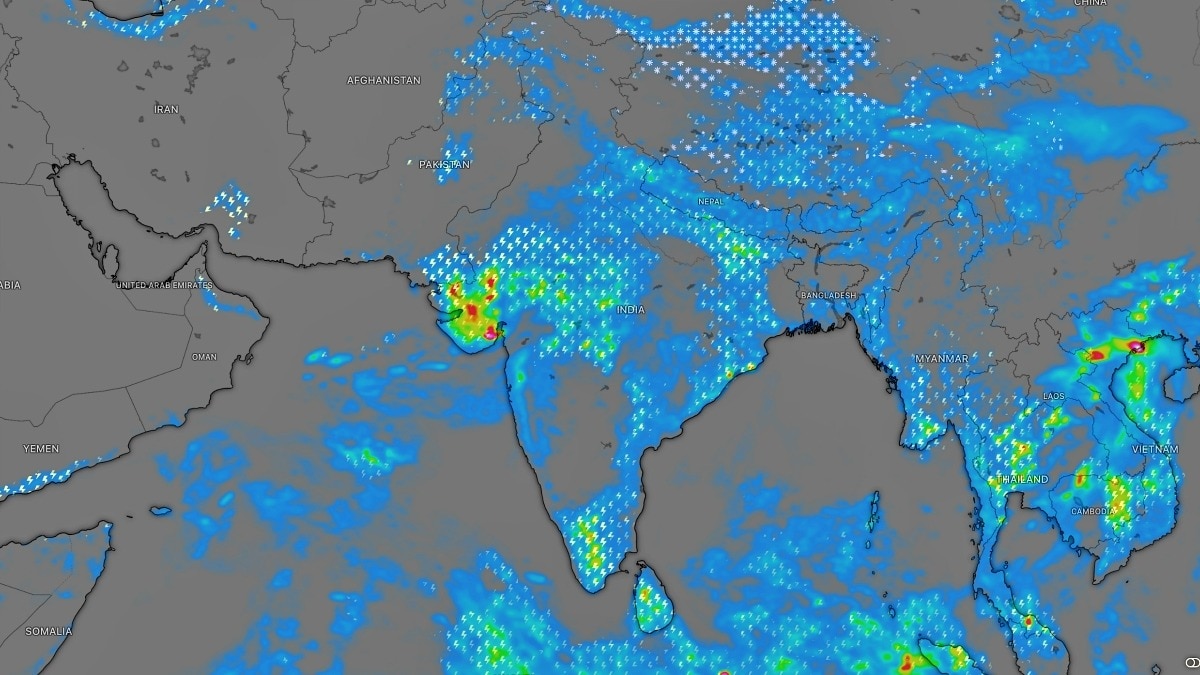
The India Meteorological Department (IMD) has issued a high alert as a new weather system activates, bringing heavy rainfall and 60 kmph wind speeds to multiple states including Delhi-NCR and West Bengal.
- New weather system activation triggers heavy rain alerts in 22 states.
- Wind speeds expected to reach up to 60 kmph accompanied by thunderstorms.
- Major impact predicted for Delhi-NCR, UP, Bihar, and West Bengal.
The India Meteorological Department (IMD) has issued a critical weather advisory following the activation of a new atmospheric system. This development is expected to bring widespread heavy to very heavy rainfall across various parts of the country. From the metropolitan hub of Delhi-NCR to the eastern states like West Bengal, the monsoon's influence is set to intensify significantly.
Meteorologists warn that the incoming system will not only deliver heavy precipitation but also trigger thunderstorms with wind gusts reaching speeds of 60 kmph. This combination poses a risk of localized flooding, power outages, and potential damage to temporary structures in vulnerable areas. In hilly terrains, the risk of landslides remains high, necessitating caution for travelers.
Why This Matters
BozokMedia analysis shows that such sudden shifts in weather patterns can cause massive disruptions to urban transport and agricultural cycles. In densely populated regions like Uttar Pradesh and Bihar, heavy rainfall often leads to significant waterlogging, complicating daily commutes and straining drainage systems.
The activation of this system right before the monsoon's retreat indicates a volatile transition phase in the seasonal cycle.
The scale of this alert, covering nearly 22 states, suggests a large-scale meteorological event. The presence of moisture-laden winds from the Bay of Bengal is expected to fuel the intensity of these storms, making the next 48 to 72 hours critical for disaster management teams.
Historical Background
Historically, the withdrawal phase of the Indian monsoon has become increasingly unpredictable due to global climate shifts. While the retreat usually involves a gradual decrease in rainfall, recent years have seen 'extreme weather events' during this period, where intense storms occur just as the season is supposed to end.
Frequently Asked Questions
Question 1: Which regions are most at risk?
Answer: Delhi-NCR, Uttar Pradesh, Bihar, and West Bengal are among the most affected regions according to the latest IMD reports.
Question 2: What precautions should be taken during 60kmph winds?
Answer: Stay indoors when possible, secure loose outdoor objects, and avoid standing near old trees or electric poles.