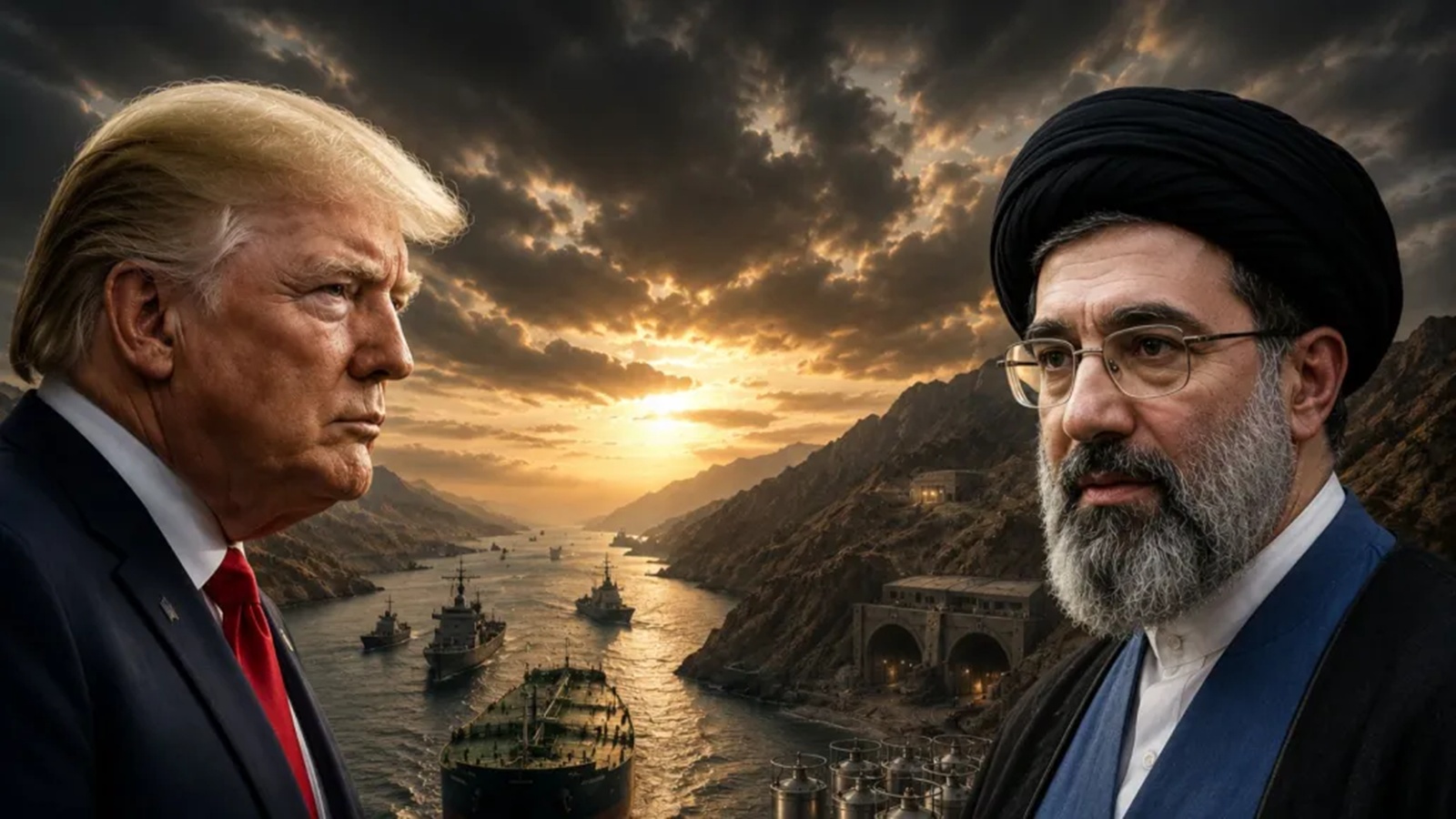
The 60-day ceasefire between the United States and Iran has officially expired without a final agreement. Tensions remain high over nuclear enrichment and the strategic control of the Strait of Hormuz.
- The 60-day ceasefire deadline signed in June has expired without a permanent peace treaty.
- Disputes over Iran's enriched uranium and the Strait of Hormuz were the primary causes of failure.
- Reports suggest US missile stockpiles are depleted, complicating diplomatic leverage.
The fragile peace between the United States and the Islamic Republic of Iran has reached a critical breaking point. The 60-day ceasefire, signed in June at Versailles by President Donald Trump and Iranian President Masoud Pezeshkian, was designed as a bridge to a permanent resolution. However, as the deadline expires this Monday, the world faces the grim reality that no final agreement on Iran's nuclear program or maritime security has been reached.
The 14-point framework, brokered with the assistance of Pakistan and several Gulf nations, sought to halt all military operations. Central to the negotiations was a roadmap to address American and Israeli anxieties regarding Iran's nuclear capabilities and its formidable missile arsenal. While Tehran maintained that its program was exclusively for civilian use, Washington demanded a concrete plan for the disposal of enriched uranium.
Why This Matters
BozokMedia analysis shows that the failure of this deal is not merely a bilateral diplomatic lapse but a systemic collapse of regional security. The inability to secure the Strait of Hormuz—a narrow channel responsible for approximately 20% of global oil and gas supplies—means that global energy markets remain hostage to the volatility of this conflict. Any escalation here could trigger a global economic shockwave.
The unraveling began almost immediately. Just a week after the signing, Iran targeted ships transiting the Strait of Hormuz along the coast of Oman, a route the US Navy had pledged to guard. This breach led to a cycle of retaliation, with the US attacking Iranian interests and Iran responding by striking American bases in Jordan, Kuwait, and Bahrain.
"The collapse of the Versailles framework underscores a fundamental trust deficit that no short-term ceasefire can bridge without systemic concessions on nuclear sovereignty."
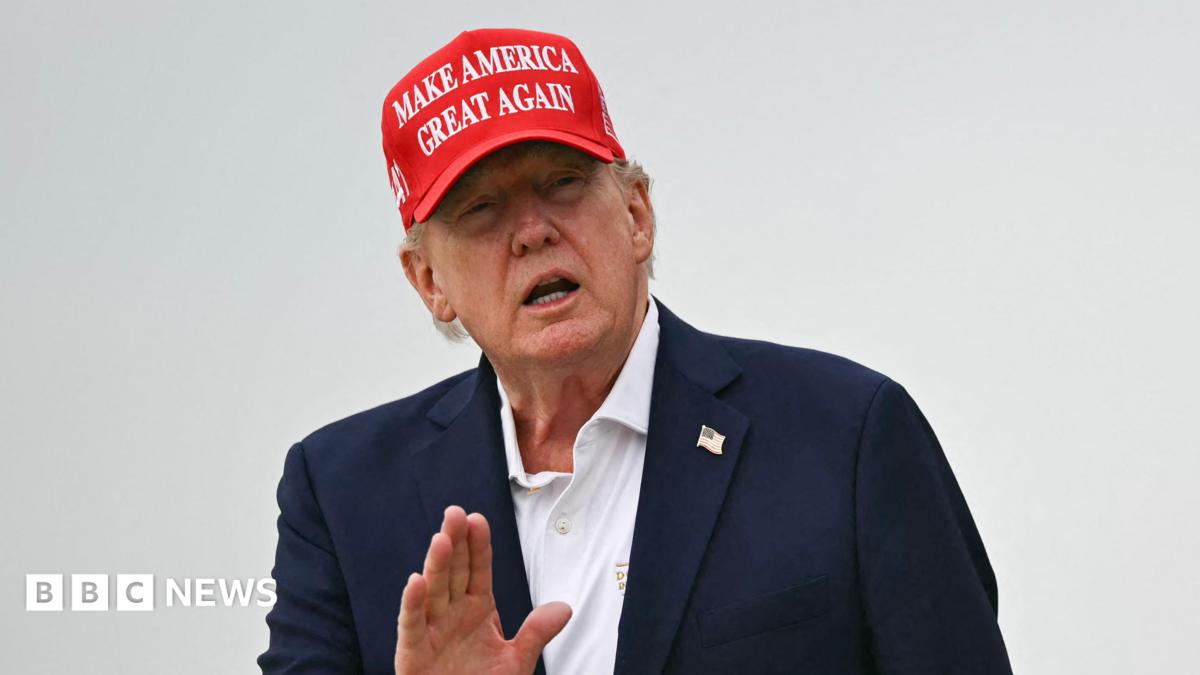
By July 8, President Trump declared the Memorandum of Understanding (MoU) "over," signaling a return to a hardline stance. On Monday, he reaffirmed that the primary US objective remains ensuring that Iran cannot obtain a nuclear weapon in any form.
Adding a layer of complexity to the current standoff are intelligence reports suggesting that US weapon stockpiles, specifically precision missiles, are significantly depleted. This depletion potentially weakens the US position, making it harder for the administration to maintain a position of strength in future negotiations.
| Key Issue | US Position | Iran Position |
|---|---|---|
| Nuclear Program | Complete disposal of enriched uranium | Civilian use only; sovereign right |
| Strait of Hormuz | US Naval guardianship and open transit | Iranian territorial control and oversight |
| Military Presence | Strategic bases in Gulf nations | Demand for US withdrawal from region |
Frequently Asked Questions
1. Why did the 60-day ceasefire fail?
The deal failed due to mutual accusations of violations, specifically regarding maritime attacks in the Strait of Hormuz and a lack of consensus on the disposal of enriched uranium.
2. What is the significance of the Strait of Hormuz in this conflict?
It is a vital artery for 20% of the world's oil and gas. Control over this strait allows Iran to exert immense pressure on global energy prices and international trade.