The June 2026 memorandum between the United States and Iran promised a 60‑day truce, yet it collapsed within three weeks. The failure stems from unresolved core disputes and the complex regional power balance, not a single rogue strike.
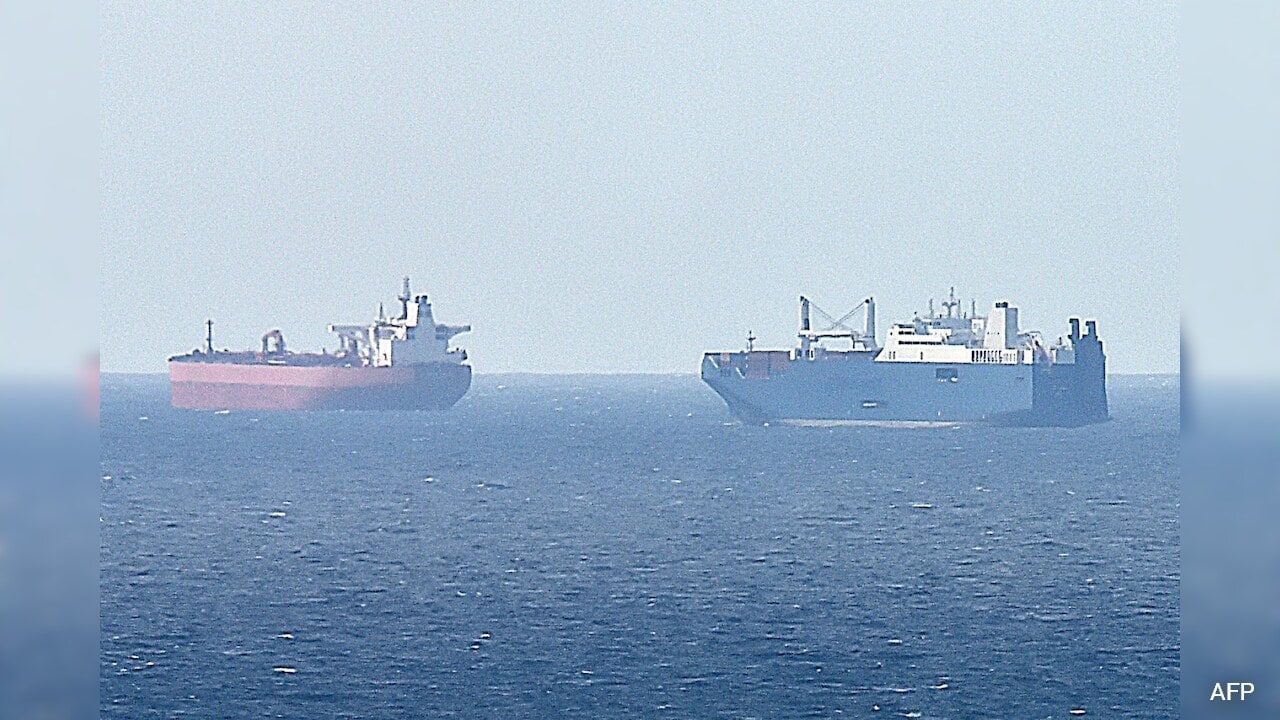
On June 17, 2026, the United States and Iran signed a memorandum of understanding (MOU) that reopened the Strait of Hormuz and set a 60‑day clock for a permanent settlement. While the deal allowed commercial shipping to resume and let Tehran sell oil and repatriate revenues, it left the most contentious issues untouched.
Historical backdrop
Iran‑U.S. hostility dates back to the 1979 Islamic Revolution, deepened by Iran’s nuclear ambitions and decades of sanctions. Multiple diplomatic overtures over the past twenty years have been thwarted by mistrust, proxy conflicts, and economic pressure, making any lasting peace fragile.
Flaws in the agreement
The MOU focused narrowly on stopping attacks on shipping and permitting oil sales. It deferred critical questions such as Hormuz traffic tolls, the unfreezing of billions in Iranian assets, and the fate of Iran’s nuclear program. By postponing these topics, both sides entered the truce with a house of cards.
Military resurgence and regional dynamics
Since the ceasefire, Iran has restored or rebuilt hundreds of missiles and launchers, regaining more than half of its pre‑war missile inventory. Tehran’s Revolutionary Guard Corps (IRGC) responded to U.S. strikes by firing drones and missiles at Bahrain and Kuwait, reigniting tensions across the Gulf.
Political climate and future outlook
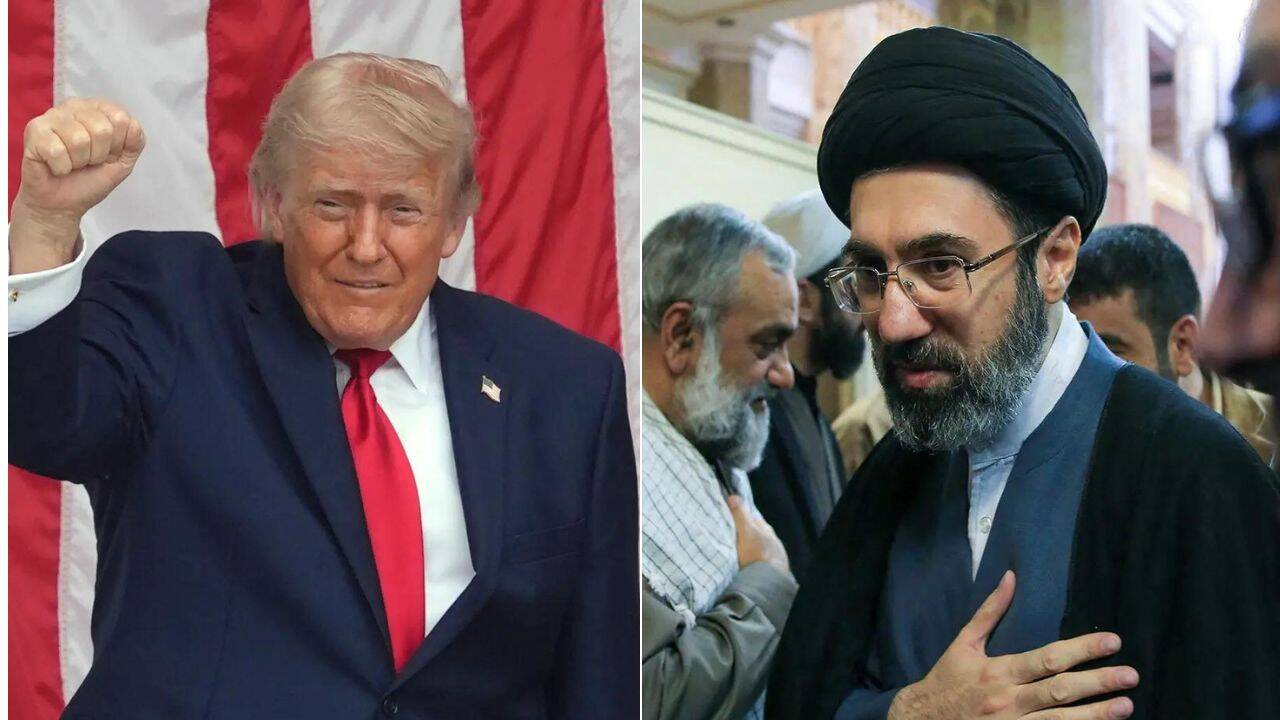
President Donald Trump’s administration, grappling with historically low approval ratings, dismissed the deal as “a waste of time.” Trump’s rhetoric branded Iran’s leadership as “evil, sick people,” signaling a hardening of diplomatic tone. Without an independent verifier or a neutral third‑party, the United States and Iran are left to police a self‑crafted arrangement.
The conflict will not end until the unresolved economic, security, and nuclear questions surrounding Hormuz are addressed transparently and mutually. Until then, a “cold peace” will linger, and the war of words—and occasional missiles—will continue to shape the Middle East.