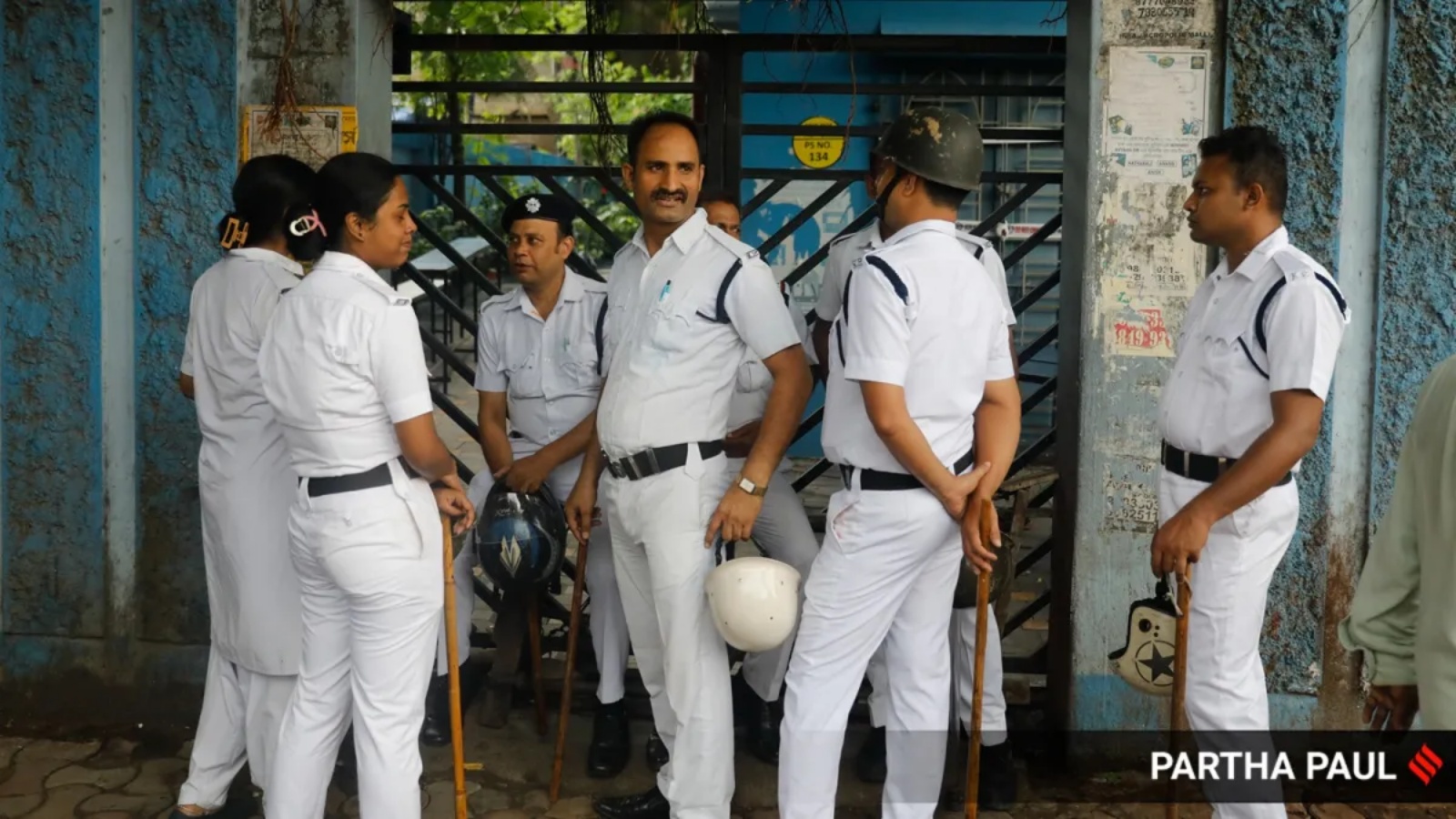
The Supreme Court has agreed to invoke Article 142 to quash FIRs against students involved in NEET-UG protests. A high-powered committee will also be formed to investigate the issues.
- SC to use Article 142 to quash FIRs of peaceful student protesters.
- A high-powered committee will be formed to examine protest-related issues.
- Criminal elements with serious antecedents will not receive this protection.
- Allegations of police misconduct against women protesters will be investigated.
New Delhi: In a landmark observation, the Supreme Court of India has agreed to invoke the extraordinary powers under Article 142 of the Constitution to quash First Information Reports (FIRs) registered against students who participated in nationwide protests regarding the NEET-UG exam paper leaks. A three-judge Bench, led by Chief Justice Surya Kant, emphasized the need to protect the future of innocent students.
The court has sought a comprehensive list of FIRs from the police, specifically identifying those where only students have been named. Chief Justice Kant noted that while the court will protect those exercising their right to peaceful dissent under Article 19, it will not extend this leniency to individuals with serious criminal backgrounds. The Bench made a clear distinction between peaceful agitations and violent infiltrations by hardened criminals.
Why This Matters
BozokMedia analysis shows that this judicial intervention is crucial for maintaining the delicate balance between the state's power to maintain order and the citizens' fundamental right to protest. It aims to prevent the criminalization of student activism following the massive NEET-UG controversy.
'This is a question of the life and future of thousands of innocent students... We have to build up their confidence in the system.' - CJI Surya Kant
During the proceedings, Solicitor General Tushar Mehta, representing the government, stated that police investigations have identified 2,873 individuals with serious criminal antecedents, including charges of murder and sexual abuse. Conversely, advocate Vrinda Grover, representing the students, pointed out that the Delhi Police has yet to disclose the specific details or numbers of the FIRs filed against the youngsters.
The Bench also announced the formation of a high-powered committee to examine the broader issues surrounding the NEET-UG protests. Crucially, the court directed that allegations of sexual molestation by police officers against women protesters must be investigated urgently by this panel.
Historical Background
The NEET-UG paper leak controversy triggered massive unrest across India, leading to significant political shifts, including the resignation of Education Minister Dharmendra Pradhan. The protests highlighted deep-seated concerns regarding the transparency and integrity of India's national-level entrance examinations.
Frequently Asked Questions
1. What is Article 142 of the Indian Constitution?
Article 142 empowers the Supreme Court to pass any order necessary for doing 'complete justice' in any cause or matter pending before it.
2. Will violent protesters also benefit from this ruling?
No. The Supreme Court explicitly stated that FIRs involving elements with serious criminal antecedents will be decided separately and are not covered by the blanket quashing of student FIRs.