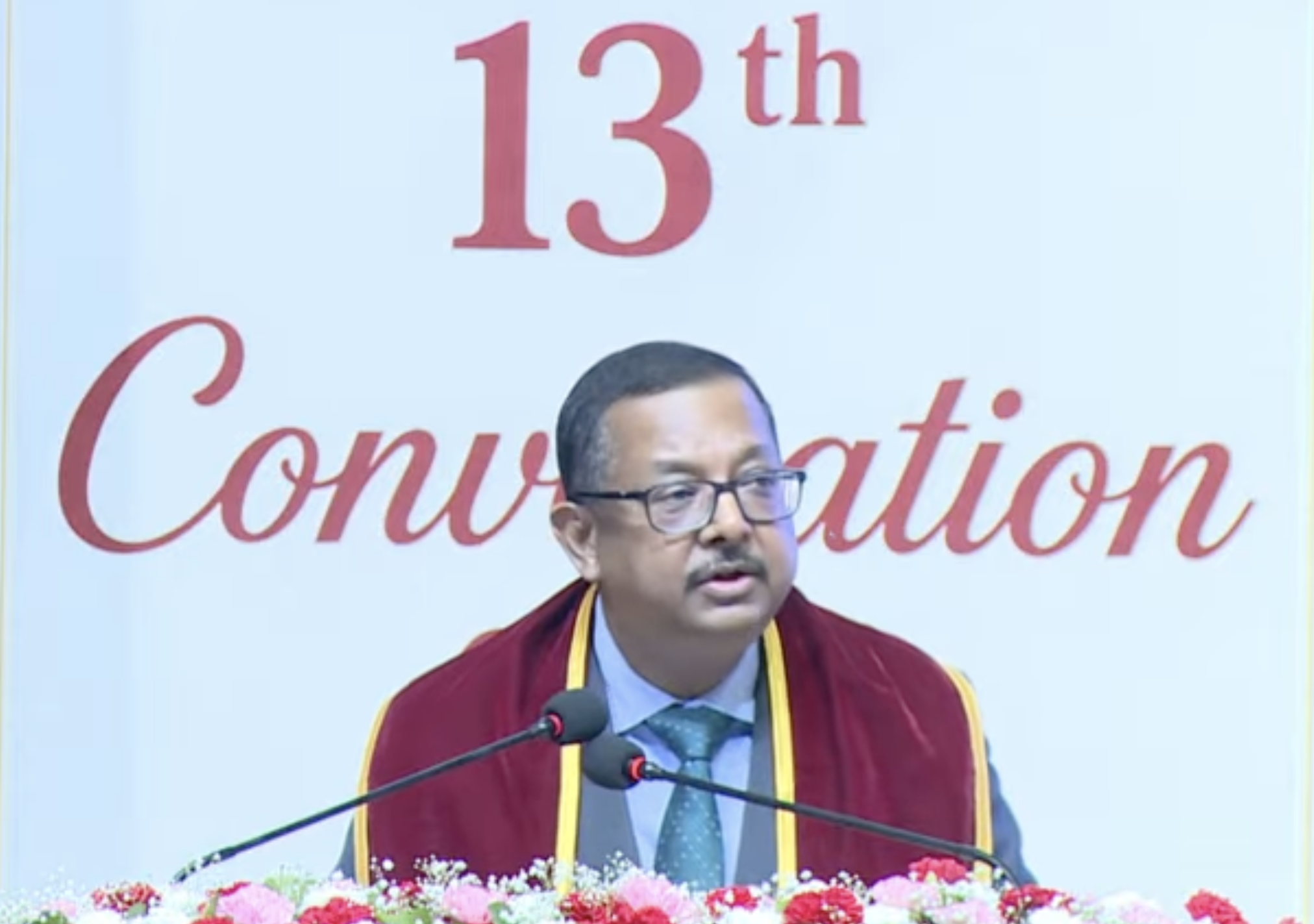
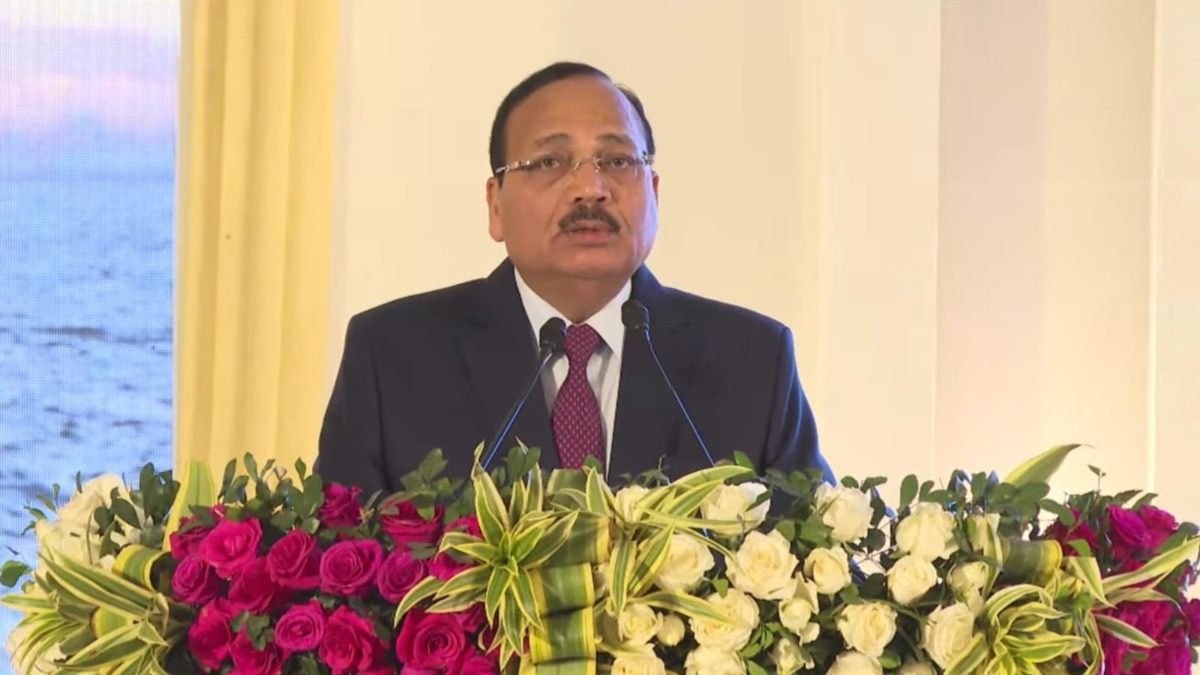
Supreme Court Justice Ujjwal Bhuiyan has declared that threatening or punishing students for questioning authority or expressing dissent is unconstitutional and against democratic principles.
- Punishing students for asking questions violates the Constitution.
- Expressing dissent is a fundamental right of students.
- Educational institutions cannot use intimidation tactics against learners.
In a significant observation that reinforces democratic values in education, Supreme Court Justice Ujjwal Bhuiyan has stated that threatening or penalizing students for asking questions or expressing dissent is strictly unconstitutional.
Justice Bhuiyan emphasized that the essence of a democracy lies in the ability to question and critique. He noted that if educational institutions attempt to suppress a student's curiosity or logical inquiry through intimidation, they are not only undermining the purpose of education but are also infringing upon the fundamental rights guaranteed by the Constitution of India.
Why This Matters
BozokMedia analysis shows that this judicial stance serves as a vital check against the growing trend of authoritarianism within academic institutions. There have been numerous instances where students faced disciplinary actions, such as suspensions, simply for challenging administrative policies or teaching methodologies. This ruling provides a legal shield for students against such arbitrary misuse of power.
To punish students for asking questions is against the Constitution; they cannot be threatened, let alone punished.
Historically, student activism and the freedom of thought have been pillars of social change in India. From the freedom struggle to modern-day social movements, the act of questioning has consistently driven progress. By protecting this right, the judiciary ensures that the intellectual fabric of the nation remains vibrant and free.
The court's perspective highlights that education must foster critical thinking rather than mindless obedience. A culture of fear in classrooms stifles innovation and prevents the development of independent minds, which are essential for a progressing global society.
Frequently Asked Questions
1. Can teachers penalize students for questioning academic content?
According to Justice Bhuiyan, if the questioning is part of legitimate inquiry, penalizing it is unconstitutional.
2. What is the significance of this ruling for universities?
It mandates that universities must uphold student rights and refrain from using intimidation as a disciplinary tool.