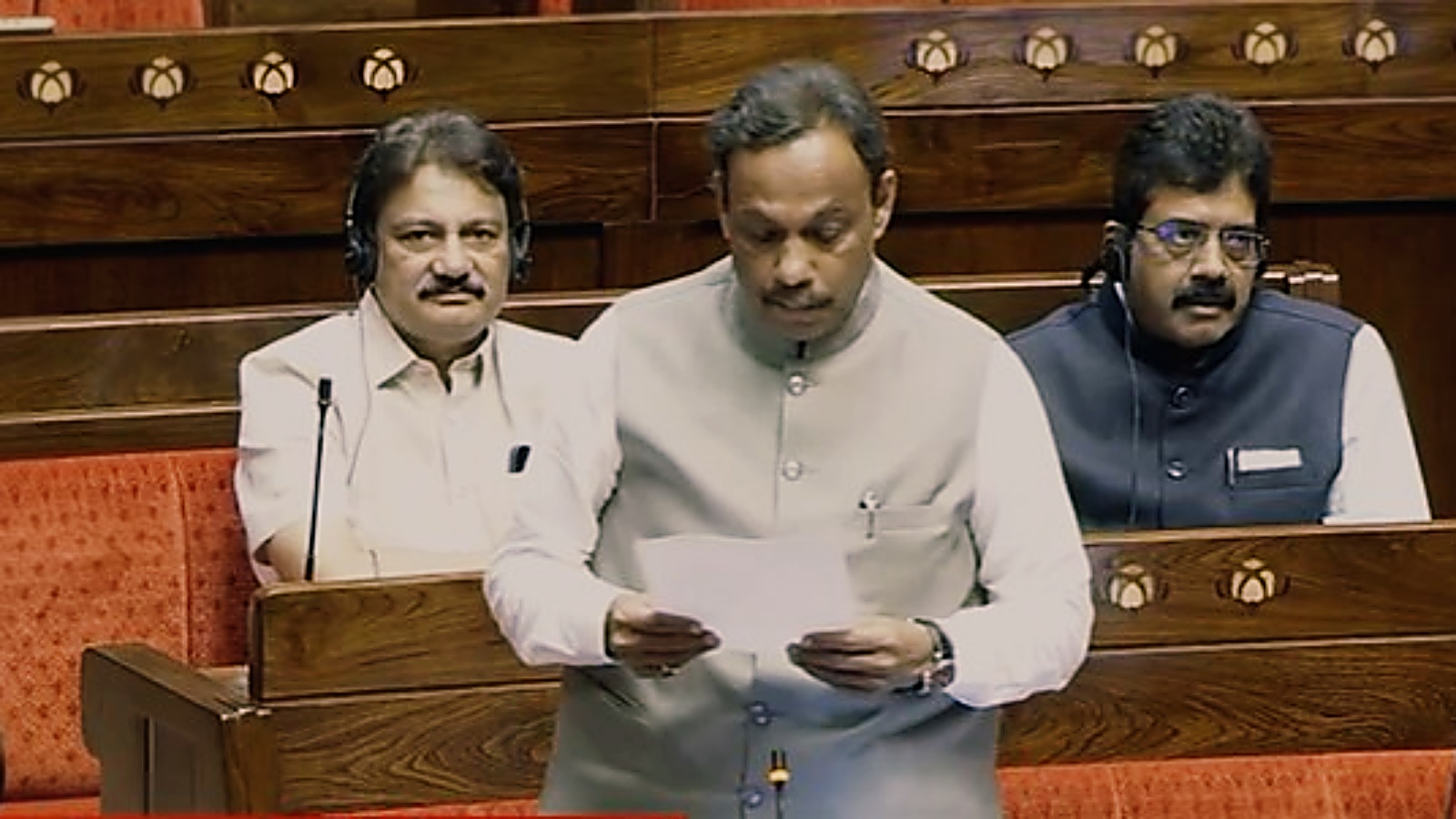
The Supreme Court is weighing the possibility of transferring a bribery case against an Enforcement Directorate official from Tamil Nadu's DVAC to a central agency. The court maintained the current stay on criminal proceedings.
Key Takeaways
- The Supreme Court is considering moving the DVAC case against ED officer Ankit Tiwari to a central agency like the CBI.
- Officer Tiwari was allegedly caught accepting a ₹20 lakh bribe in Dindigul.
- The court refused to lift the stay on criminal proceedings for now.
- The ED alleges the investigation is a political vendetta by the Tamil Nadu government.
New Delhi: In a significant legal development, the Supreme Court on Thursday deliberated on the potential transfer of a corruption case involving an Enforcement Directorate (ED) officer to an independent central probe agency. The case was originally being investigated by the Tamil Nadu Directorate of Vigilance and Anti-Corruption (DVAC).
A Bench led by Chief Justice of India Surya Kant heard the plea filed by the ED, which sought to shift the investigation from the state agency to the Central Bureau of Investigation (CBI). However, the Bench declined to lift the stay on criminal proceedings that had been in place since January 2024.
Historical Background
The controversy stems from the arrest of Enforcement Officer Ankit Tiwari, who was allegedly caught red-handed accepting a bribe of ₹20 lakh from a doctor in the Dindigul district. While the state agency is conducting the probe, the ED has contested the legitimacy of the proceedings.
Why This Matters
BozokMedia analysis shows that this case highlights the escalating friction between the Union government and opposition-ruled states. The legal battle touches upon the sensitive issue of whether central employees should be subject to state-level investigations or if a central agency must always take precedence to avoid political bias.
The court is navigating a complex intersection of federalism and criminal jurisprudence regarding the jurisdiction over central government officials.
The ED has argued that the Tamil Nadu DVAC's actions are a form of retaliation. According to the agency, the state is attempting to strike back at the ED after the central agency conducted raids and registered money laundering cases against powerful politicians and former ministers in the state. The Supreme Court has suggested the need for a mechanism to screen whether political vendetta is driving these investigations.
Frequently Asked Questions
1. What is the core allegation against Ankit Tiwari?
He is accused of accepting a ₹20 lakh bribe from a doctor in Tamil Nadu.
2. Why does the ED want the case transferred?
The ED claims the state investigation is politically motivated and seeks a neutral central agency like the CBI.