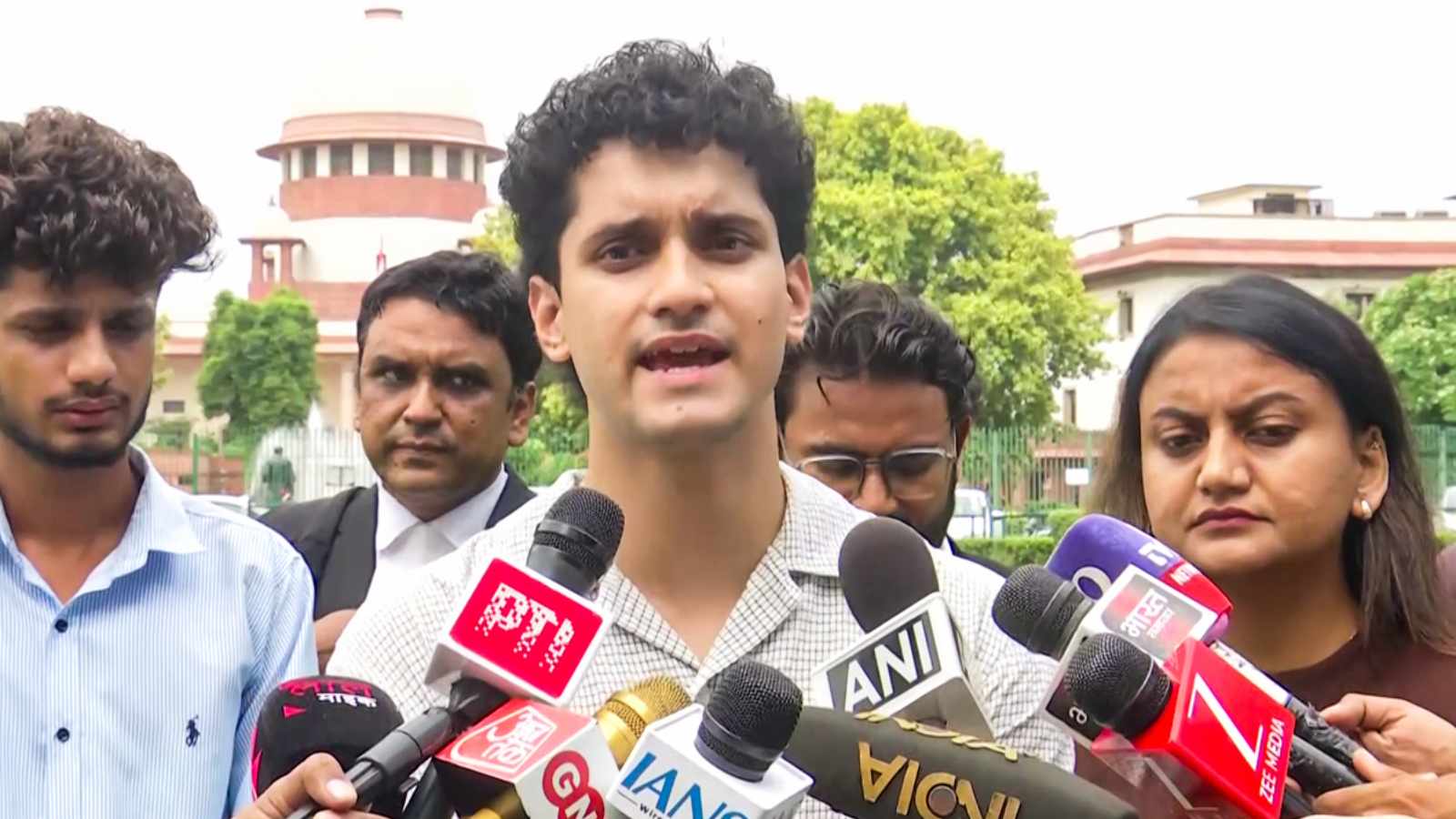
A Bengaluru activist has won a significant legal battle after a customs court dismissed a ₹35 lakh duty demand on oxygen concentrators donated during the COVID-19 pandemic.
Key Takeaways
- Activist Vinay Kumar secured relief from a ₹35 lakh customs duty notice.
- The devices were 700 oxygen concentrators imported for donation in May 2021.
- The court ruled the demand was barred by the legal limitation period.
- No evidence of collusion or suppression of facts was found during the import process.
In a landmark decision, Vinay Kumar, a prominent Bengaluru activist, has successfully challenged a ₹35 lakh customs duty notice. The notice pertained to approximately 700 oxygen concentrators that were imported from Europe and donated free of charge during the height of the COVID-19 pandemic in May 2021.
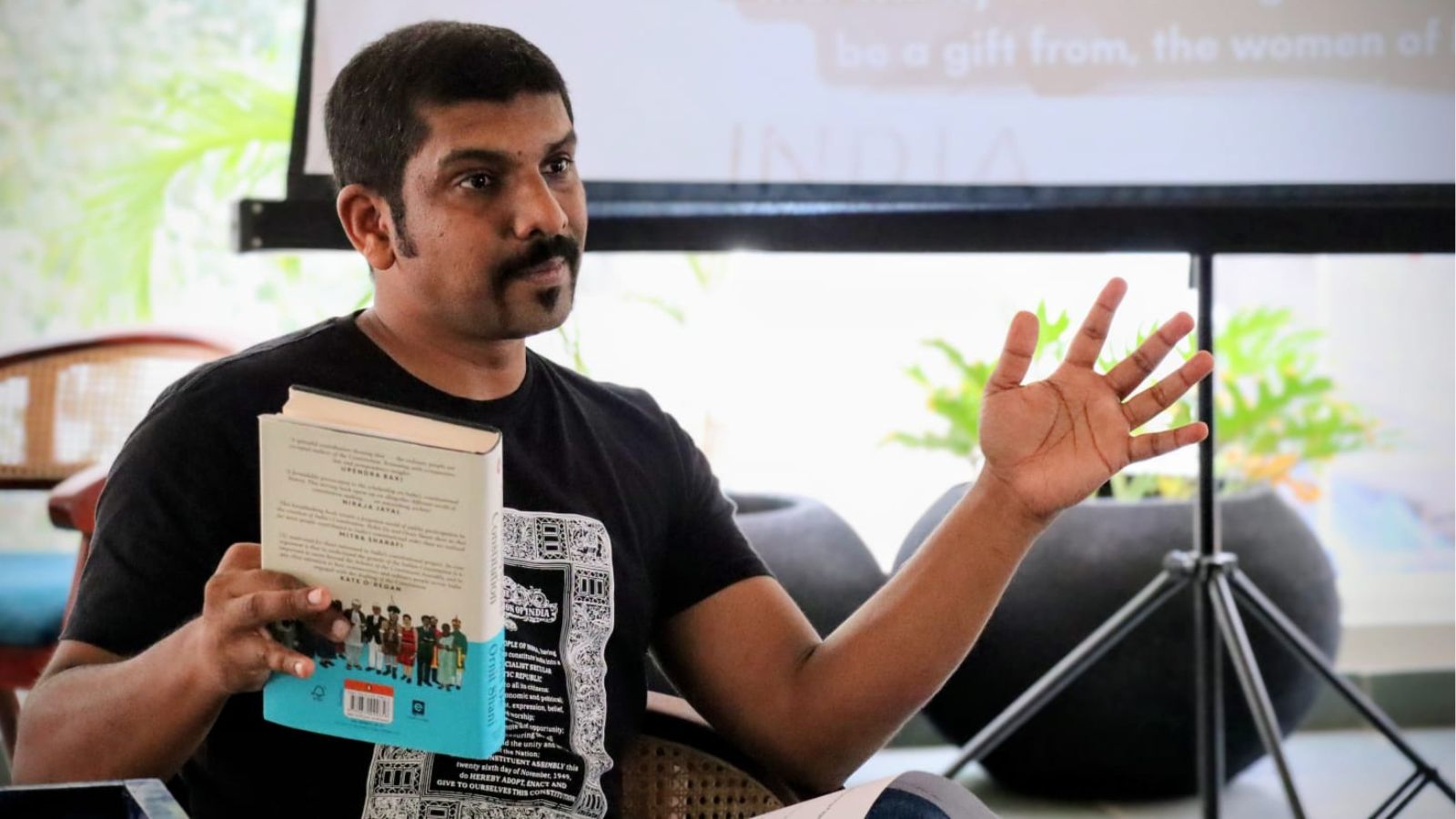
The legal dispute arose when customs officials issued a show-cause notice in March, alleging that the life-saving devices were imported for "personal use" rather than charitable purposes. Kumar, a resident of Rajajinagar known for his Reclaim Constitution initiative, had coordinated the fundraising and logistics with the help of the German group Technology Without Borders.
Court Dismisses the Demand
On August 5, a customs court dismissed the demand against the NGO through which the concentrators were routed. The court's ruling was emphatic, stating that the importer acted with complete transparency throughout the stages of import, assessment, and audit. The judge noted that there was absolutely no evidence to establish any collusion, willful misstatement, or suppression of facts.
Crucially, the court highlighted a procedural lapse: the notice was issued years after the actual import. While a five-year limitation period can sometimes be invoked, the court ruled this was only permissible in cases involving the clear suppression of facts—a condition that was not met in this instance.
Why This Matters
BozokMedia analysis shows that this ruling serves as a vital precedent for humanitarian efforts during national crises. It protects individuals and organizations from arbitrary administrative actions that could discourage philanthropic activities in the future.
"The court's decision reinforces the principle that administrative actions must be timely and grounded in verifiable evidence rather than mere suspicion."
Expressing his surprise, Kumar noted that the notice appeared to be manually generated rather than a technical error. He questioned why, despite complying with all regulatory frameworks, he was forced to undergo such an arduous legal battle for an act of pure altruism.
Frequently Asked Questions
Question 1: Why did the customs department issue the notice?
Answer: Officials claimed the oxygen concentrators were imported for personal use instead of being donated.
Question 2: What was the main reason for the court's dismissal?
Answer: The court found that the demand was barred by the legal limitation period and that the import process was transparent.