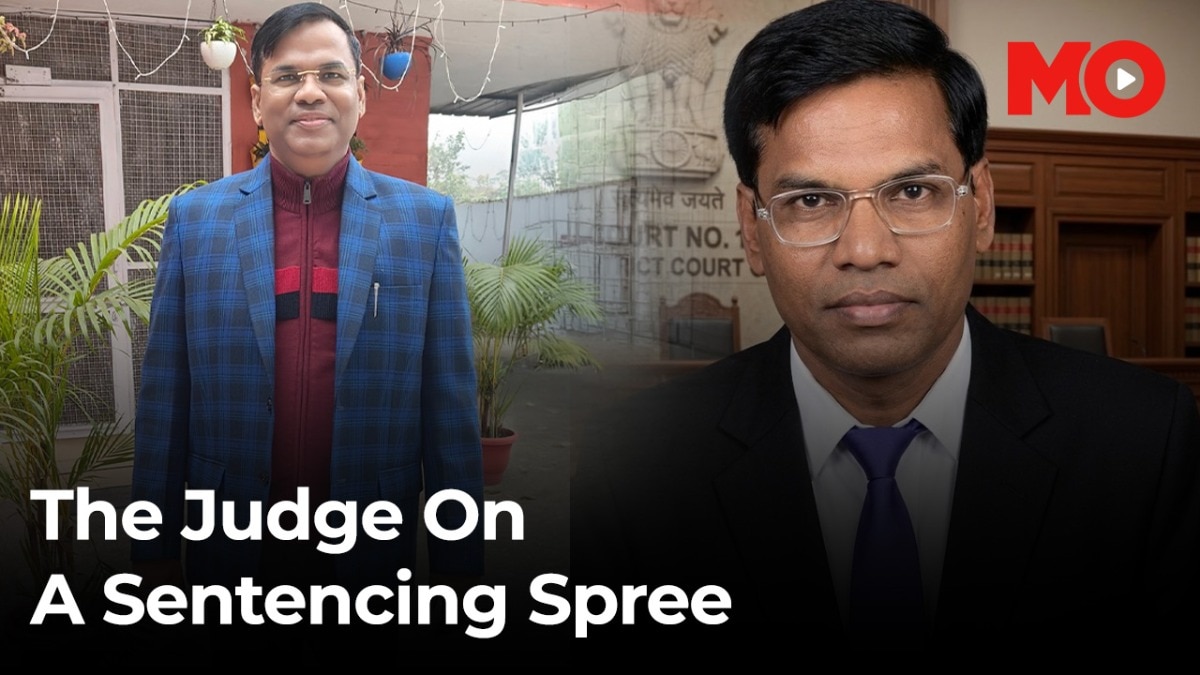
The Kerala High Court has suspended the sentences of social activist M. Geethanandan and three others convicted in the 2003 Muthanga violence case, ordering their release on bail.
- Kerala High Court suspended sentences for four convicts in the 2003 Muthanga case.
- Justice A. Badharudeen ordered the release of M. Geethanandan, Binu, Rameshan, and Anilkumar on bail.
- The trial court had previously awarded five years of rigorous imprisonment.
- The case stems from a 2003 tribal land struggle in Wayanad.
The Kerala High Court has stepped in to suspend the sentences of four individuals convicted in connection with the violent clashes during the 2003 police action at the Muthanga wildlife sanctuary in Wayanad. A Bench comprising Justice A. Badharudeen passed the order following appeals by social activist M. Geethanandan and three others—Binu, Rameshan, and Anilkumar—challenging their conviction by the Principal Sessions Court, Kalpetta.
The convicts had been sentenced to five years of rigorous imprisonment and a fine of ₹36,000 each. The charges involved the alleged attempt to murder a senior civil police officer and the abduction of a forest range officer. The high court noted that the trial court's conviction appeared to rely heavily on prima facie evidence rather than a conclusive, thorough scrutiny of the facts.
Why This Matters
BozokMedia analysis shows that this ruling underscores the judicial necessity for rigorous evidentiary standards in long-standing criminal cases. The court's observation regarding the 'legally unsustainable' nature of the trial court's findings suggests a critical look at how conspiracy charges are applied in socio-political conflicts. This decision has significant implications for ongoing legal debates regarding tribal land rights and state enforcement actions.
The judiciary must ensure that convictions in complex socio-political cases are backed by conclusive findings rather than mere prima facie assumptions.
Historical Background
The Muthanga incident dates back to February 19, 2003, when armed police and forest officials moved to evict hundreds of landless tribal families from the sanctuary. The families, organized under the Adivasi Gothra Maha Sabha (AGMS), were demanding equitable land distribution. The ensuing confrontation led to the deaths of a police constable and a protester. The Central Bureau of Investigation (CBI) conducted the probe into the alleged crimes.
Frequently Asked Questions
1. What was the original punishment?
The trial court had sentenced the four individuals to five years of rigorous imprisonment and a fine of ₹36,000 each.
2. What is the CBI's stance on this order?
The standing counsel for the CBI indicated that the agency intends to file an appeal to address what they perceive as 'flaws' in the lower court's judgment.