The Madurai Bench of the Madras High Court has demanded a report from the Higher Education Department regarding the prolonged vacancy of Vice-Chancellor positions across 14 state universities.
- Madras High Court has raised concerns over the lack of Vice-Chancellors in 14 state universities.
- The court has summoned a report from the Secretary of the Higher Education Department.
- Most universities are currently being run by Registrars (in-charge) and Convenor Committees.
- The issue surfaced during a petition regarding the qualifications of a Registrar at Madurai Kamaraj University.
In a significant move concerning the academic governance of the state, the Madurai Bench of the Madras High Court has sought an explanation from the Tamil Nadu government regarding the persistent vacancies in the office of Vice-Chancellors. The court noted with concern that 14 universities in the state have been functioning without permanent Vice-Chancellors for several years.
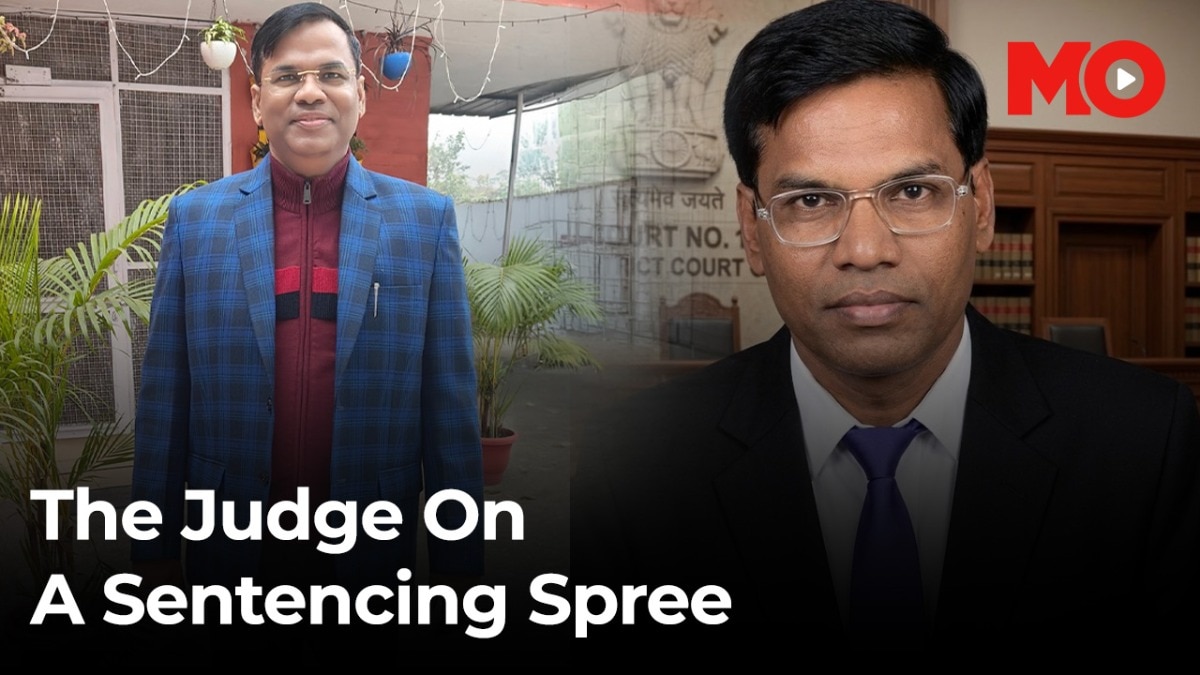
Justice B. Pugalendhi, while presiding over the matter, specifically directed the Secretary of the Higher Education Department to submit a detailed report. The court's inquiry extends beyond mere vacancy counts, asking for the specific reasons behind these delays and the concrete steps the current administration is taking to fill these leadership roles.
Historical Background & Case Context
The judicial scrutiny emerged during a petition filed by Professor A. Velanganni Joseph of Madurai Kamaraj University. The petitioner challenged the appointment of S. Muthiah as Registrar (in-charge), alleging a lack of required qualifications. In response, the university clarified that Mr. Muthiah was serving in a temporary capacity and possessed all necessary credentials, noting that a recruitment process for a regular Registrar is currently underway.
Why This Matters
BozokMedia analysis shows that the absence of permanent Vice-Chancellors creates a leadership vacuum that can lead to administrative stagnation. When high-level academic positions remain vacant, the authority to make critical institutional decisions shifts to 'Convenor Committees' and 'Registrars (in-charge)', potentially undermining the long-term strategic vision of these educational institutions.
The structural absence of permanent leadership in universities poses a systemic risk to academic autonomy and research excellence.
During the arguments, it was revealed that the governance of most affected universities has fallen to Registrars (in-charge), with decision-making powers concentrated in Convenor Committees. While the judge indicated he was not initially inclined to entertain the specific petition regarding the Registrar, the systemic issue of 14 universities lacking VCs necessitated a formal judicial inquiry.
Frequently Asked Questions
1. Why did the High Court intervene in this matter?
The court intervened because it was revealed that 14 universities have been operating without Vice-Chancellors for several years, affecting institutional governance.
2. Who is responsible for providing the report to the court?
The Secretary of the Higher Education Department has been directed to provide the official report.