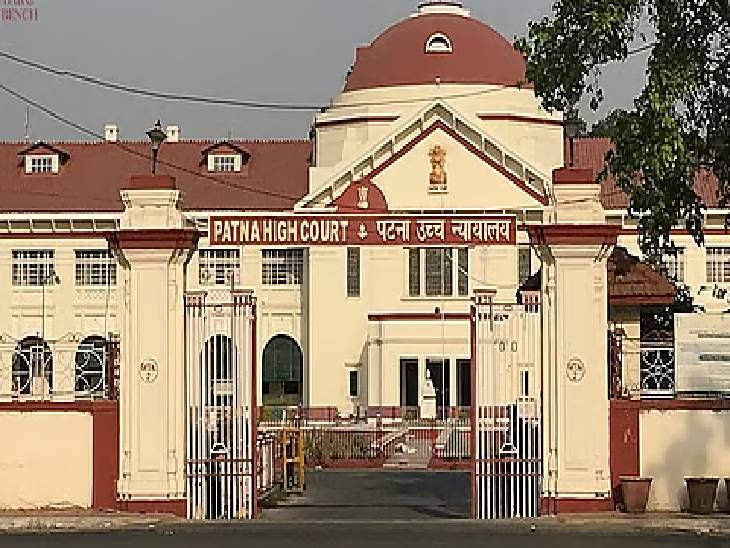
The Bombay High Court has upgraded a writ petition into a Public Interest Litigation (PIL) to monitor the infrastructure of Ashram Schools across Maharashtra following protests by tribal students.
- The 17-day hunger strike by tribal students ended after a meeting with CM Devendra Fadnavis.
- The Bombay High Court has converted the matter into a PIL to monitor school infrastructure.
- The State Government will form an SIT to probe a student's death due to food poisoning.
- Mess services will replace the DBT scheme for food supplies in hostels.
In a landmark development, the Bombay High Court has converted a writ petition concerning Adivasi Ashram Schools into a Public Interest Litigation (PIL). This move aims to ensure a comprehensive oversight of the infrastructure and safety standards of tribal residential schools throughout Maharashtra.
The decision follows intense protests by tribal students in Pune's Manjari area, who had been on a 17-day hunger strike. The stalemate was broken after a high-level meeting involving Chief Minister Devendra Fadnavis, the Tribal Development Minister, and student representatives. Chief Government Pleader Neha Bhide informed the bench, comprising Acting Chief Justice Ravindra Ghuge and Justice Gautam Ankhad, that the students are stable and the hunger strike has concluded.
Why This Matters
BozokMedia analysis shows that this judicial intervention marks a shift from reactive governance to proactive monitoring. By converting the plea into a PIL, the court is ensuring that the state remains accountable for the systemic failures that led to student fatalities in tribal welfare institutions.
The court's decision to treat this as a PIL signifies that the safety of tribal students is no longer just a local grievance but a matter of significant public interest and constitutional duty.
The court took the minutes of the meeting between the government and students on record. Key commitments made by the state include the constitution of a Special Investigating Team (SIT) to probe the tragic death of a student caused by food poisoning. Furthermore, the government has agreed to transition from the Direct Beneficiary Transfer (DBT) model for food to direct mess services in hostels to ensure meal quality.
Historical Background
Ashram schools in Maharashtra are designed to provide education and residential facilities to students from marginalized tribal communities. However, these institutions have frequently been plagued by reports of poor sanitation, inadequate nutrition, and lack of medical facilities. Recent tragedies, including deaths from food poisoning and snake bites, have brought these systemic issues to the forefront of national discourse.
| Issue/Feature | Previous System | New Mandated System |
|---|---|---|
| Food Provision | DBT (Direct Benefit Transfer) | Direct Mess Services |
| Investigation Method | Standard Administrative Inquiry | Special Investigating Team (SIT) |
| Legal Status | Individual Writ Petition | Public Interest Litigation (PIL) |
Frequently Asked Questions
1. Why did the High Court convert the plea into a PIL?
The court intends to monitor the infrastructure and safety of all Ashram schools across the state, rather than just addressing the specific grievances of the protesting students.
2. What was the cause of the students' protest?
The protest was triggered by poor facilities in Ashram schools and the death of a student due to food poisoning, alongside other incidents involving student fatalities.