Spanning five acres in Andhra Pradesh, the Thimmamma Marrimanu banyan tree is a biological marvel with over 1,000 trunks. Discover how this single organism functions as a massive forest and a shield against climate change.
Key Takeaways
- Thimmamma Marrimanu is recognized by Guinness World Records as the world's largest banyan tree by canopy.
- It features over 1,000 trunks, all connected to a single parent organism.
- The tree acts as a vital 'keystone species' supporting immense biodiversity.
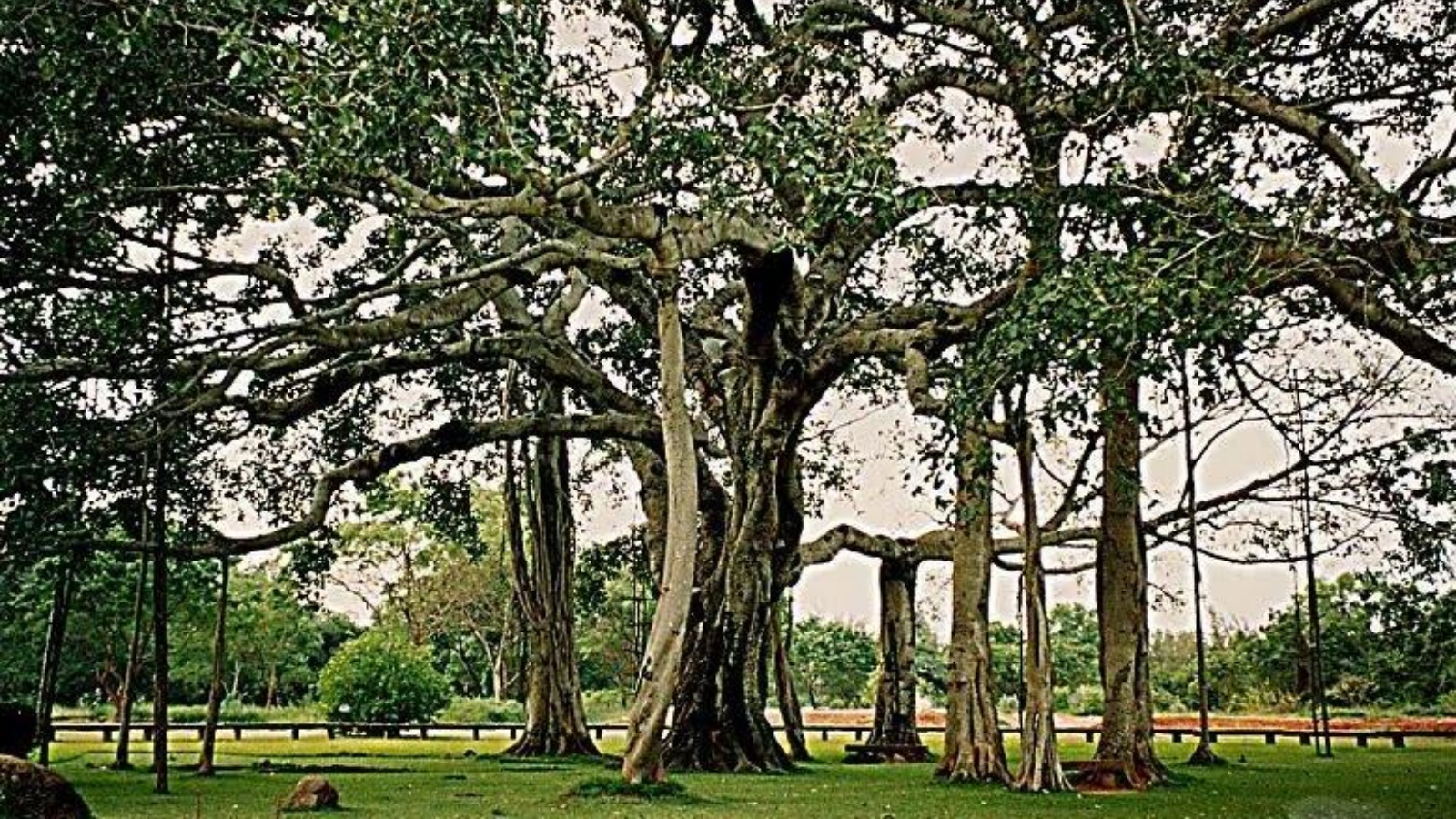
Located in the Anantapur district of Andhra Pradesh, Thimmamma Marrimanu is far from an ordinary tree. Spreading across nearly five acres, this 550-year-old natural wonder is so vast that it is frequently mistaken for a dense forest. In reality, what visitors perceive as a woodland is a single, massive living organism recognized by Guinness World Records as the largest banyan tree by canopy coverage.
The Science of Horizontal Growth
How does one tree become so immense? Environmentalist Jasmit Singh Arora explains that unlike most flora that prioritize vertical growth, banyan trees expand horizontally. This is achieved through specialized aerial roots. These roots descend from high branches, eventually anchoring into the soil and thickening into sturdy, pillar-like trunks.
Why This Matters: BozokMedia Analysis
BozokMedia analysis shows that this unique growth mechanism allows the tree to support its own massive weight. Over five centuries, these aerial roots have multiplied into more than 1,000 distinct trunks. This process creates a self-sustaining structural network that allows the tree to expand indefinitely without the risk of structural collapse.
The banyan tree's ability to create its own support system through aerial roots is nature's ultimate architectural feat.
A Keystone Species for Biodiversity
Beyond its size, the tree is a 'keystone species,' meaning it is fundamental to the survival of its ecosystem. The complex network of trunks and branches provides nesting sites for countless birds, bats, and insects. Furthermore, its ability to produce figs throughout the year ensures a steady food supply for wildlife, even during lean seasons.
In the fight against climate change, ancient banyans like Thimmamma Marrimanu are indispensable. Their massive canopies act as natural air conditioners, lowering ground temperatures and retaining soil moisture. Additionally, their extensive root systems prevent soil erosion and assist in recharging local water tables.
Frequently Asked Questions
1. Is Thimmamma Marrimanu actually a forest?
No, while it looks like a forest, it is one single tree with over 1,000 interconnected trunks.
2. Why are banyan trees important for the environment?
They support biodiversity, provide year-round food for animals, and help regulate local climates and water cycles.