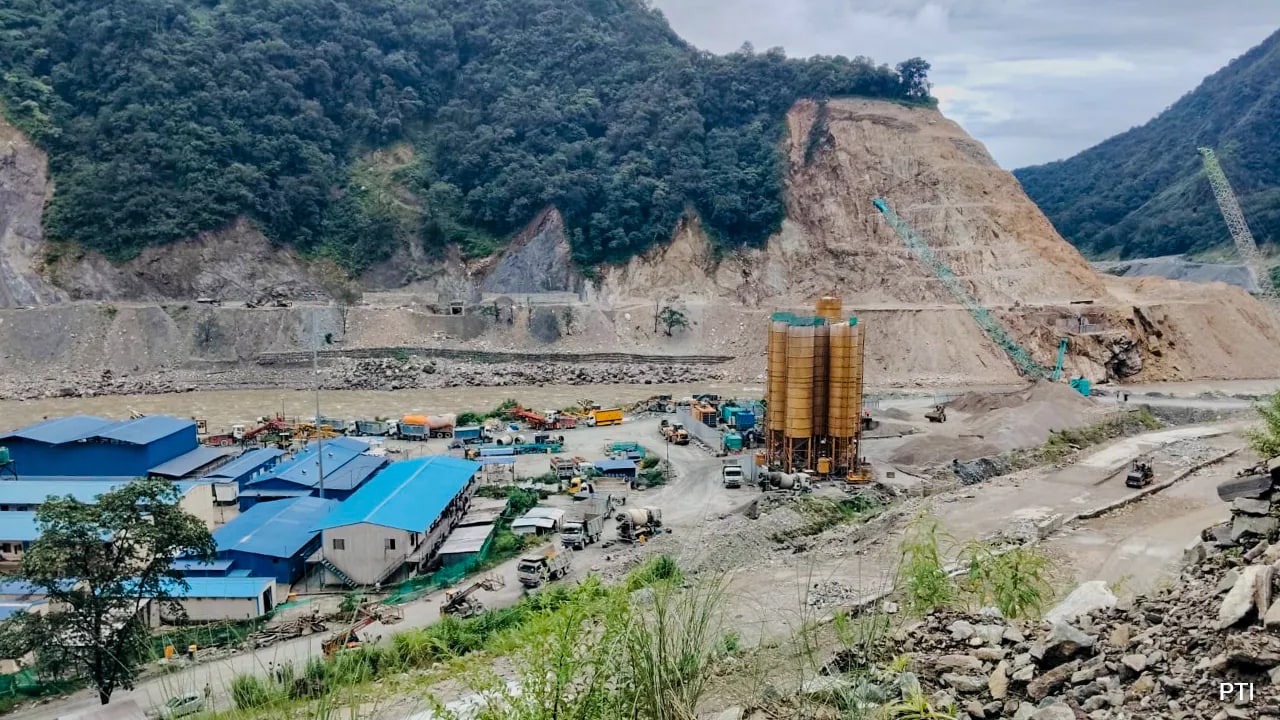
Despite repeated warnings from the Madras High Court, the illegal washing of heavy vehicles and cars in the Tamirabharani river continues unabated in Tirunelveli. This practice is dumping toxic oil and detergents into a vital drinking water source.
Key Takeaways
- Illegal washing of trucks, buses, and cars occurs daily on the banks of the Tamirabharani.
- Toxic chemicals, oil, and cheap detergents are being discharged directly into the perennial river.
- Inadequate underground drainage systems have exacerbated the sewage influx since 2018.
- Local authorities face criticism for failing to enforce environmental laws despite judicial intervention.
TIRUNELVELI: The perennial Tamirabharani River is facing a severe ecological crisis as the illegal washing of vehicles continues without any fear of legal repercussions. Even as the Madurai Bench of the Madras High Court repeatedly reprimands authorities—specifically the Tirunelveli Corporation—for their inaction regarding sewage influx, the practice of using the river as a free car wash remains rampant.
A Growing Ecological Disaster
Observations near the North Bypass Road bridge reveal a disturbing trend. Every morning, heavy vehicles including lorries, tourist buses, and omni buses are washed on the eastern banks. Drivers and cleaners are reportedly using low-cost, harsh detergents to clean vehicles, which, combined with engine oil and grease, creates a toxic cocktail that flows directly into the river water. This water serves as the primary drinking source for millions of residents.
Why This Matters
BozokMedia analysis shows that the convergence of slow-moving infrastructure projects and administrative negligence creates a perfect storm for environmental degradation. The stagnation of underground drainage works since 2018 has already allowed thousands of liters of sewage to enter the river; the addition of vehicular pollutants significantly increases the chemical toxicity of the water, making it unsafe for human consumption and local biodiversity.
The failure to regulate riverbank activities is not just a management lapse, but a direct threat to public health and water security.
Local traders and residents have expressed deep concern, noting that as groundwater levels deplete, the reliance on the river increases, making its pollution even more catastrophic. While Corporation Commissioner Monika Rana has been approached for comment, the lack of visible enforcement remains a glaring issue.
Frequently Asked Questions
1. What are the primary pollutants entering the river?
The main pollutants include vehicular oil, chemical detergents, domestic sewage, and industrial waste.
2. Why hasn't the administration stopped this?
Despite judicial pressure, a lack of strict on-ground enforcement and slow infrastructure development has allowed these illegal activities to persist.