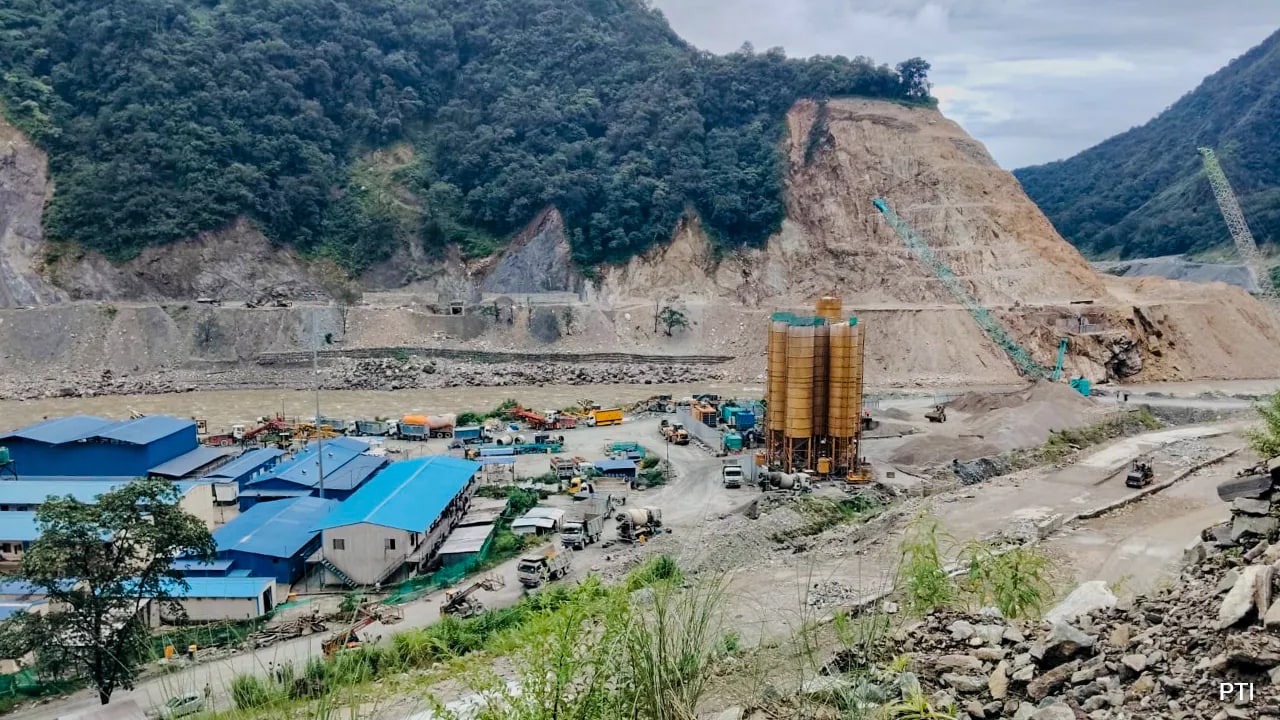
A recent study published in Discover Hazards reveals that high-altitude lakes in Arunachal Pradesh are expanding, posing a significant threat of Glacial Lake Outburst Floods (GLOF).
- Analysis conducted on 127 lakes across Arunachal Pradesh.
- 89 lakes are at low risk, 36 at medium risk, and 2 are at extremely high risk.
- Expansion of glacial lakes increases the threat of sudden outburst floods.
A scientific study recently published in the journal Discover Hazards has raised alarms regarding the environmental stability of Arunachal Pradesh. The research assessed 127 high-altitude lakes, uncovering a concerning trend of lake expansion driven by changing climatic conditions in the Himalayan region.
The findings indicate a tiered risk assessment for the region. Out of the 127 lakes surveyed, 89 lakes were identified as being at low risk, while 36 lakes fall into the medium-risk category. Most critically, the study highlighted that two lakes are at high risk of Glacial Lake Outburst Floods (GLOF), which can cause catastrophic downstream destruction.
Why This Matters
BozokMedia analysis shows that the expansion of these glacial lakes is a direct consequence of melting glaciers. As these lakes grow in size and volume, the natural moraine dams holding them in place become increasingly unstable, making the threat of sudden, violent flooding a reality for local communities.
The rapid expansion of glacial lakes serves as a critical indicator of the accelerating cryospheric changes in the Eastern Himalayas.
Historical Background: The Himalayas are often referred to as the 'Third Pole' due to their vast ice reserves. However, rising global temperatures have led to unprecedented glacial retreat. This melting process creates proglacial lakes, which, if not monitored, can lead to devastating flash floods that reshape entire landscapes.
Frequently Asked Questions
Question 1: What is a Glacial Lake Outburst Flood (GLOF)?
Answer: A GLOF occurs when the natural dam containing a glacial lake fails, releasing a massive volume of water and debris downstream instantaneously.
Question 2: How can the risk be mitigated?
Answer: Mitigation involves early warning systems, regular monitoring of lake volumes, and community preparedness in high-risk zones.