The increasing risk of Glacial Lake Outburst Floods (GLOF) in Nepal poses a massive threat to downstream communities. This report examines the escalating danger caused by rapid glacial melting in the Himalayas.
- Rapid glacial melting is causing Himalayan glacial lakes to expand at an alarming rate.
- A sudden breach in natural moraine dams could trigger catastrophic downstream flooding.
- Climate change remains the primary driver of this escalating hydrological instability.
In the high-altitude terrains of Nepal, glacial lakes are reaching a critical threshold. As global temperatures rise, the accelerated melting of glaciers is feeding these lakes with unprecedented volumes of meltwater. The primary concern for scientists is the potential for a Glacial Lake Outburst Flood (GLOF), which occurs when the natural barriers—often composed of loose rocks and ice—fail to contain the rising waters.
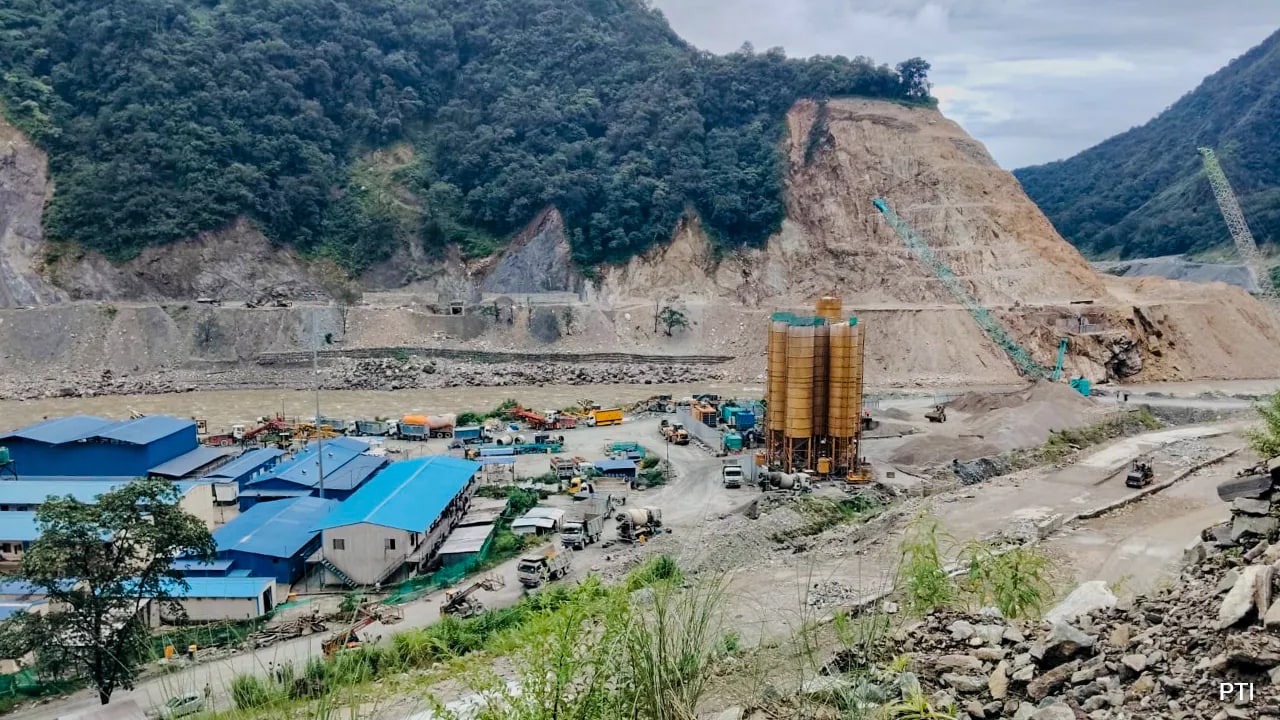
The implications of such an event are staggering. A sudden release of water from these high-altitude reservoirs can send a wall of debris, boulders, and sludge crashing through mountain valleys, obliterating villages, bridges, and hydroelectric infrastructure in minutes.
Why This Matters
BozokMedia analysis shows that the Himalayan region is warming significantly faster than the global average. This makes the management of glacial lakes a matter of regional security. For Nepal, the threat is not just environmental but socio-economic, as much of the nation's energy production and agricultural livelihood depends on stable river systems that are now at risk.
The rapid expansion of glacial lakes in the Himalayas represents one of the most significant hydrological risks of the 21st century.
While satellite monitoring and remote sensing technology have improved our ability to track these lakes, the sheer scale of the Himalayan range makes real-time monitoring of every single lake nearly impossible. There is an urgent need for integrated early warning systems that connect high-altitude sensors to downstream communities.
Historical Background
The history of the Himalayas is marked by periodic outbursts that have reshaped landscapes and human settlements. In recent years, the trend of increased glacial retreat has been linked to more frequent and intense extreme weather events across the Hindu Kush Himalayan region, signaling a permanent shift in the mountain ecosystem.
Frequently Asked Questions
Q1: What causes a Glacial Lake Outburst?
A: It is typically caused by an avalanche, earthquake, or excessive melting that puts pressure on the lake's natural moraine dam, causing it to breach.
Q2: How can communities prepare for GLOFs?
A: Preparation involves installing automated sensor networks, mapping flood paths, and conducting regular community evacuation drills.