A combination of El Nino-induced drought and higher payouts from private competitors has caused Aavin's milk procurement to plummet. Farmers are increasingly choosing private dairies that offer better rates and laxer quality checks.
- El Nino-driven drought has made watering livestock a major struggle for farmers.
- Aavin offers ₹38/liter, while private players offer up to ₹43/liter.
- Private dairies are reportedly accepting milk without stringent quality protocols.
- Daily procurement has dropped from an average of 38 lakh litres to 28 lakh litres.
The Tamil Nadu Cooperative Milk Producers Federation Limited, operating under the renowned Aavin brand, is facing a severe crisis in milk procurement. Official sources indicate that the federation's daily procurement, which typically averages 38 lakh litres, plummeted to 32 lakh litres in February and has since dropped further to 28 lakh litres. This significant contraction has forced the federation to scale back supplies to daily sales agents.
The Impact of El Nino and Drought
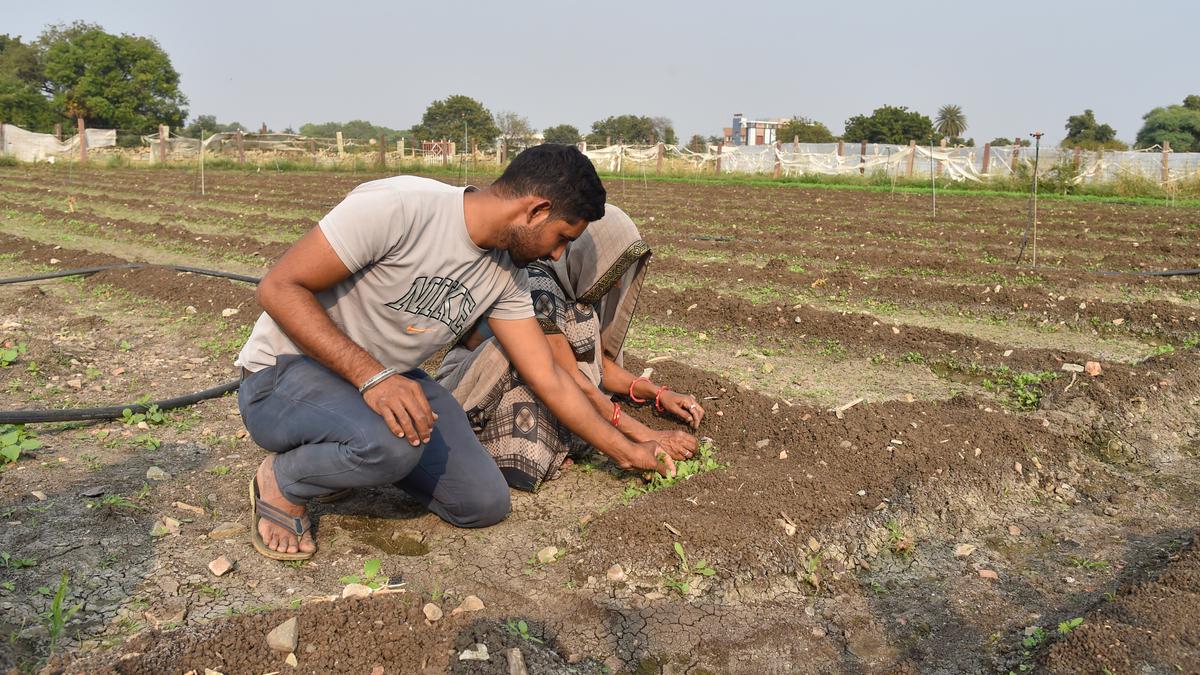
The crisis is being exacerbated by environmental factors, specifically the El Nino effect. In districts such as Tiruchi, Ariyalur, and Perambalur, water bodies have remained dry for over five months. This prolonged drought has made it exceptionally difficult for farmers to provide adequate water to their milch animals, directly impacting cattle health and milk yields.
Why This Matters
BozokMedia analysis shows that this is not merely a supply chain issue but a systemic threat to the cooperative model. As climate volatility increases, cooperative sectors must find ways to balance strict quality standards with competitive pricing to prevent a complete migration of producers to the unregulated private sector.
The convergence of climate-driven scarcity and aggressive private pricing is creating a perfect storm for cooperative dairy federations.
The economic incentive for farmers to switch to private dairies is stark. While Aavin maintains high-quality standards and offers ₹38 per litre, industry sources reveal that private competitors are offering ₹43 per litre. Furthermore, these private players are often able to bypass the rigorous quality yardsticks that Aavin strictly adheres to, making them a more convenient and lucrative option for struggling farmers.
Historical Background
The cooperative dairy movement in India was established to protect small-scale farmers from exploitation by middlemen. However, the rise of large-scale private dairy corporations, combined with unpredictable weather patterns caused by global phenomena like El Nino, has placed immense pressure on these traditional structures.
Frequently Asked Questions
Question 1: Why is Aavin struggling to procure milk?
Answer: A combination of drought caused by El Nino and higher price offers from private dairies has led to a shortage.
Question 2: How much more are private dairies paying?
Answer: Private dairies are offering approximately ₹5 more per litre than Aavin's current rate.