Despite storing their harvest in cold storage to avoid low initial prices, potato farmers in West Bengal are struggling with plummeting demand and inadequate market rates.
- Bumper potato production led to a sharp drop in initial market prices.
- Approximately 16 crore bags of potatoes are currently stored in cold storages across the state.
- Farmers are facing significant financial losses as production costs exceed selling prices.
- The government is attempting to boost demand via school mid-day meal programs.
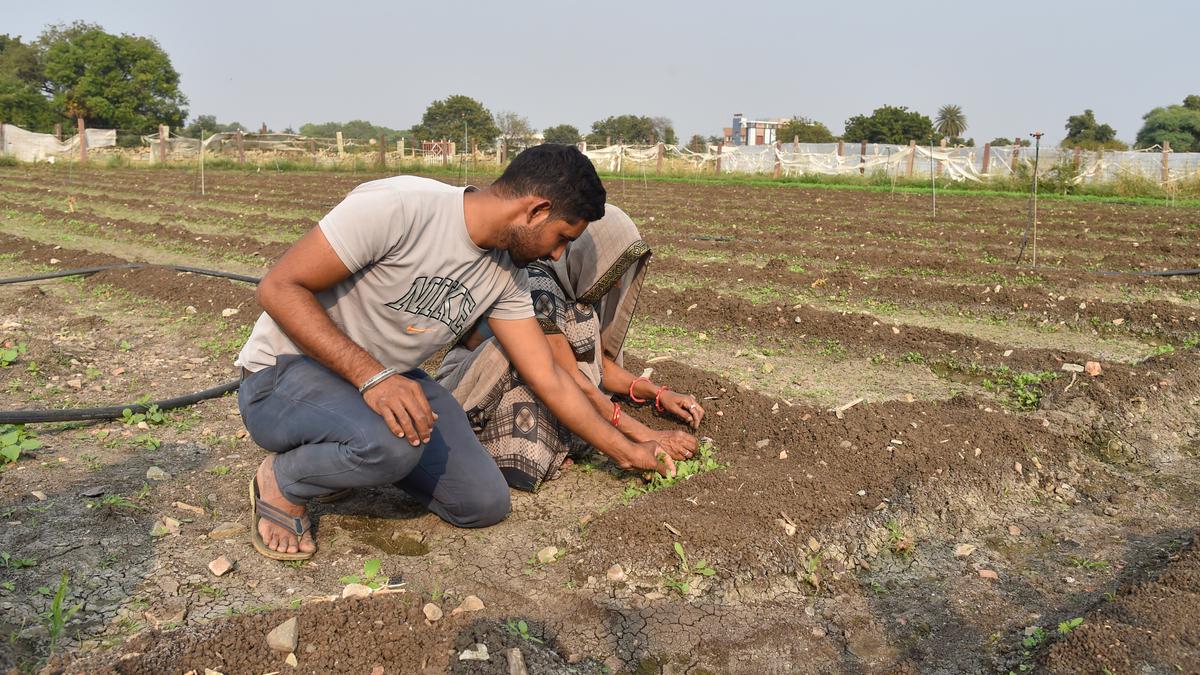
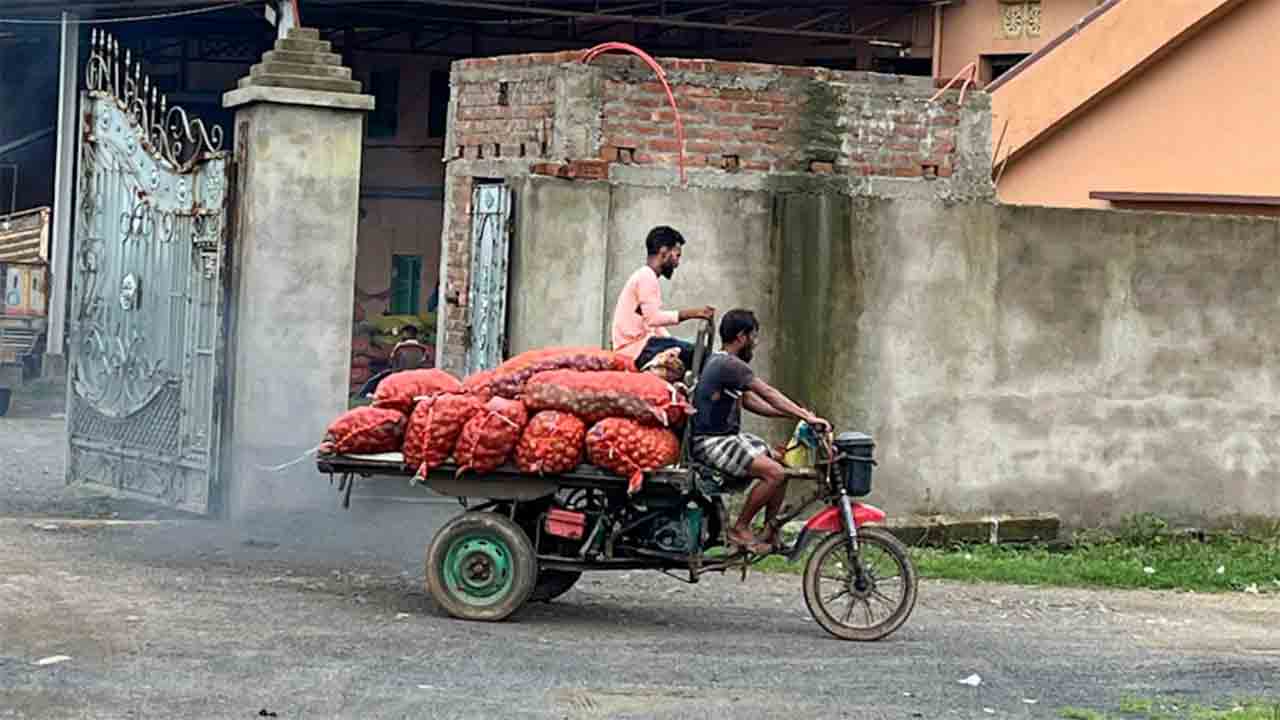
Potato farmers in West Bengal are facing a dire economic situation. After being unable to secure fair prices during the harvest period, many farmers opted to store their produce in cold storage facilities, hoping for a price rebound. However, this strategy has failed to yield results, as market demand remains sluggish and prices continue to hover at rock-bottom levels.
Market Saturation and Production Surplus
The current crisis is largely driven by an overwhelming surplus in production. This year, the state is grappling with an estimated 16 crore bags of potatoes sitting in cold storage, a significant increase compared to previous years. In the Birbhum district alone, where potato cultivation covered 19,500 hectares, the situation is critical. Data indicates that only about 23.22% of the stored potatoes have been released into the market so far, which is 6-7% lower than in previous cycles.
The strategy of relying on cold storage has been neutralized by a persistent lack of market demand.
The Economic Burden on Farmers
For many farmers, the cost of cultivation has surpassed the potential revenue. Local farmer Bharat Mondal, who cultivated 'Jyoti' potatoes on 70 bighas, reported an expenditure of over ₹35,000 per bigha. With a production cost of ₹436 per 50kg bag, receiving only ₹300-₹330 per bag results in a devastating loss. Other farmers, such as Kajal Mondal and Sheikh Rafiq, noted that hybrid varieties like 'Pokharaj' are fetching even lower prices, further exacerbating the financial distress.
Why This Matters: BozokMedia Analysis
BozokMedia analysis shows that the crisis is not merely a matter of oversupply but also a breakdown in traditional trade routes. Deenbandhu Mondal, Secretary of the Potato Traders' Association, pointed out that Birbhum's produce traditionally flowed into Jharkhand and Bihar. However, changes in regulatory environments and stricter interstate movement policies have disrupted these supply chains, causing both demand and prices to crash simultaneously.
Government Intervention and Mitigation Efforts
In an attempt to stabilize the market, the Agricultural Marketing Department has initiated a direct procurement scheme. Potatoes are being supplied directly from farmers to schools for Mid-Day Meal programs, a move that has already commenced in the Seuri 1 and 2 blocks. While this provides a small safety net, farmers remain skeptical. They have warned that without comprehensive government intervention and price support, they will be unable to risk potato cultivation in the upcoming season.
Frequently Asked Questions
1. Why are potato prices so low this season?
The combination of bumper production and disrupted interstate trade routes has led to a massive surplus and low demand.
2. How is the government helping the farmers?
The government is facilitating the sale of potatoes directly to schools for mid-day meals to create localized demand.