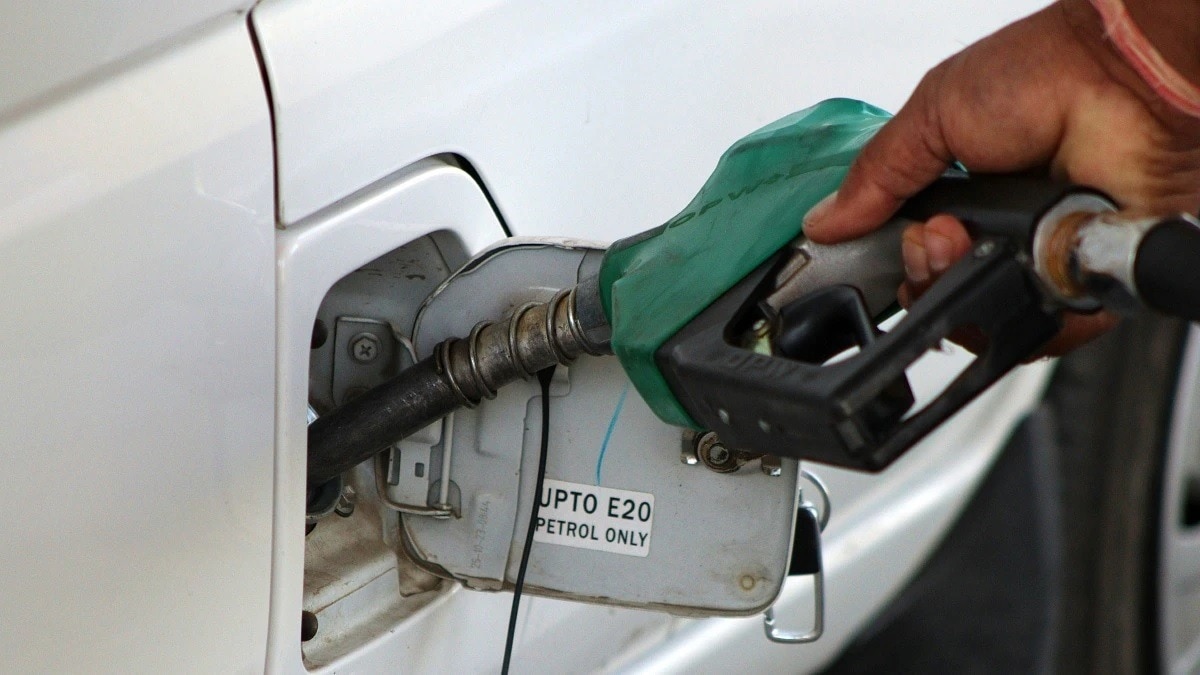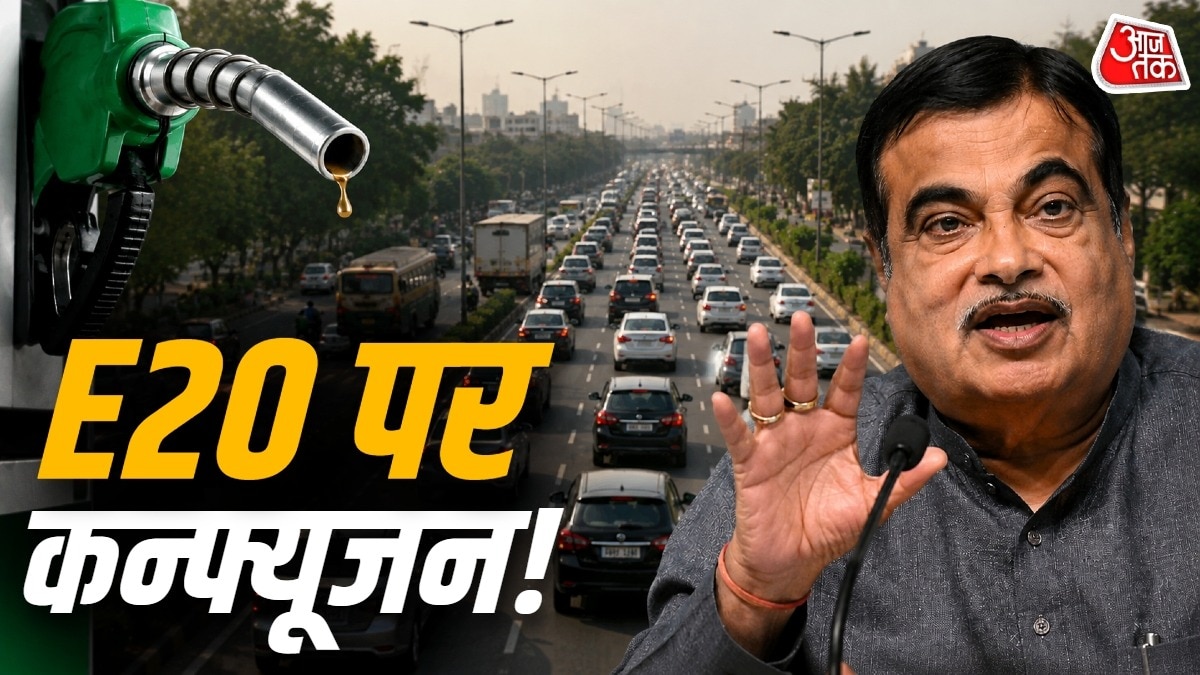
Union Road Transport Minister Nitin Gadkari has issued four contrasting statements about E20 petrol – from mileage loss to the need for parts replacement in older cars. The government now faces the challenge of reconciling these remarks with public expectations.
Key Takeaways
- E20 fuel may reduce mileage by 2%‑6%.
- BS‑III vehicles (2005‑2016) might require rubber part replacements.
- Gadkari’s statements have shifted, creating consumer confusion.
Nitin Gadkari has delivered a series of evolving remarks on the E20 ethanol‑blended petrol. Initially, he challenged critics to name any vehicle that was damaged by E20, asserting that none existed. Later, he distanced himself, saying the issue fell under the Petroleum Ministry, and finally, he conceded that mileage could fall between 2% and 6%.
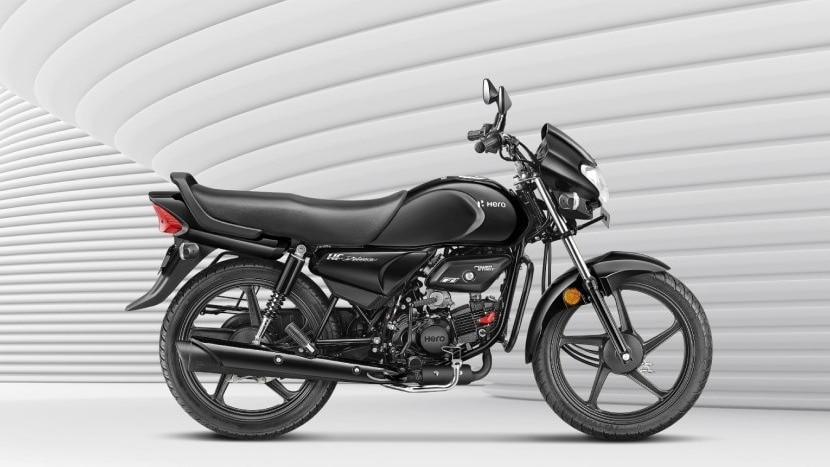
Early on, the minister highlighted the environmental benefits of ethanol blending and secured support from major automakers, who claimed no adverse effects. However, in a recent Rajya Sabha session, he warned that BS‑III cars produced between 2005 and 2016 may need specific rubber components and gaskets replaced to remain compatible.
These contradictory statements have left the public bewildered. When a senior minister alternates his stance across platforms, confidence in the policy’s credibility is undermined.
Why This Matters
BozokMedia analysis shows that inconsistent messaging from a senior minister erodes public trust in fuel‑policy reforms and may delay the adoption of greener blends, affecting both consumer confidence and environmental goals.
Further independent studies are essential to gauge the long‑term impact of ethanol‑blended fuels on vehicle performance.
Statement Comparison
| Statement | Impact | Context |
|---|---|---|
| No vehicle damaged | Boosted confidence | Initial press briefing |
| Parts may need replacement | Increased cost for older cars | Rajya Sabha, Aug 2026 |
| 2‑6% mileage drop | Consumer caution | Parliament, Aug 2026 |
Frequently Asked Questions
Q1: What is E20?
A: E20 is petrol blended with 20% ethanol, aimed at enhancing fuel security and reducing emissions.
Q2: Will E20 damage my older car?
A: BS‑III vehicles (2005‑2016) may require rubber part replacements, but newer models are generally unaffected.