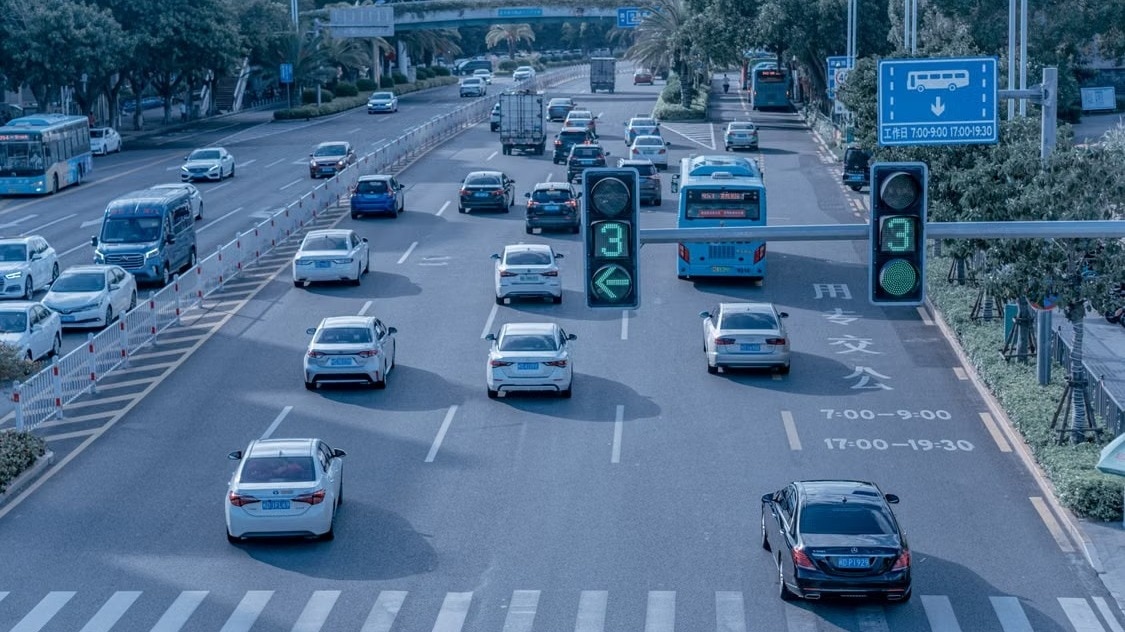
The Indian government intends to make vehicle‑to‑vehicle (V2V) communication mandatory for all new cars, two‑wheelers and trucks from October 2028. This technology will share speed, position and braking data in real‑time, dramatically improving road safety.
Key Takeaways
- V2V communication becomes mandatory for all L, M, N category vehicles from 1 Oct 2028
- Dedicated frequency band allocated: 5.875‑5.925 GHz
- Enables real‑time collision warnings, emergency vehicle alerts, and lane‑change notifications
What Is V2V Communication?
Traditional safety systems rely on cameras, radars and onboard sensors. V2V communication lets vehicles talk wirelessly, instantly sharing speed, location, direction and acceleration with nearby vehicles.
Government Draft and Implementation Timeline
The Ministry of Road Transport & Highways has released a draft mandating V2V for all L (two‑ and three‑wheelers), M (passenger cars & buses) and N (trucks & light commercial) categories starting 1 October 2028. Vehicles built before that date must adopt the feature as standard from 1 October 2027, giving manufacturers a transition window.
Historical Background
V2V first emerged in early 2000s research in the United States, but large‑scale adoption lagged. Europe, Japan and China have run pilot projects, while India is now accelerating its rollout.
Why This Matters
BozokMedia analysis shows that integrating V2V communication could reduce road‑fatalities by up to 30 % in India, positioning the country as a leader in automotive safety innovation.
"V2V will transform Indian roads from reactive to predictive, saving countless lives," says Dr. Anita Sharma, senior transport engineer.
Frequently Asked Questions
- Will this increase the price of my vehicle? There may be a modest upfront cost, but long‑term safety savings are expected to outweigh it.
- Will personal data like names or phone numbers be shared? No, only vehicle dynamics data is transmitted, preserving driver privacy.