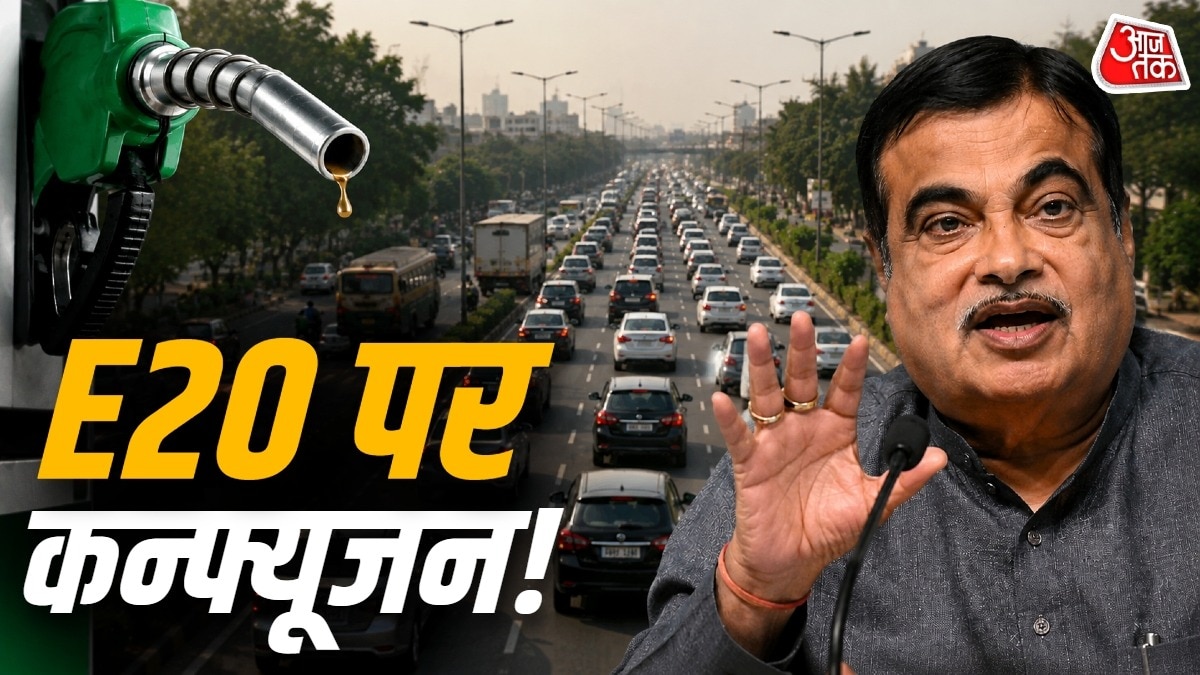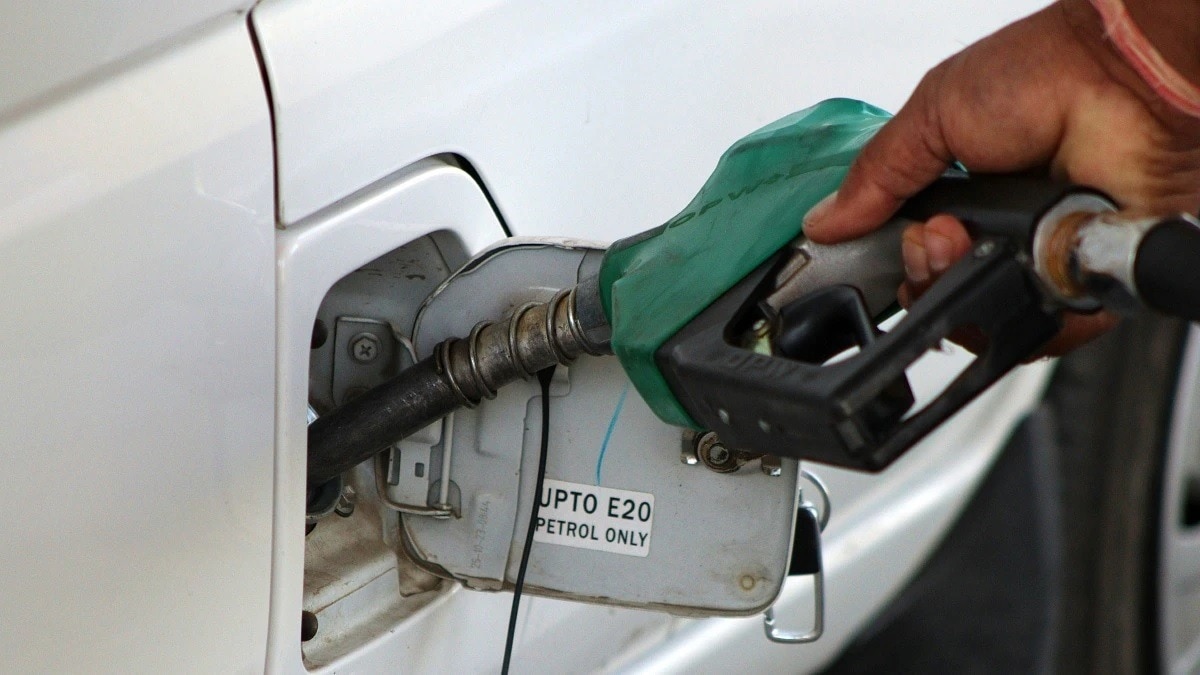
The Ministry of Petroleum and Natural Gas clarified that reduced mileage cannot be pinned solely on E20 fuel. Driving habits, maintenance, and other factors also play a role, while the government asserts that E20 has passed extensive validation.
Key Takeaways
- Mileage depends on multiple factors, not just the fuel
- E20 petrol has undergone thorough testing and validation
- Older vehicles may experience component wear with higher ethanol blends
Historical Background
India began ethanol blending in 2003, initially with E5 and later E10, aiming to reduce import dependence and cut emissions. Over the years, the blend percentage has been gradually increased, reaching the current E20 target.
Current Situation
The ministry posted on X that mileage is influenced by driving style, traffic conditions, tire pressure, AC usage, and overall vehicle maintenance. E20 has been tested for engine durability, startability, material compatibility, and corrosion resistance.
Why This Matters
BozokMedia analysis shows that public perception of fuel policies can influence vehicle sales and consumer confidence, making transparent communication crucial for a smooth transition to greener fuels.
"Proper use of E20 combined with regular maintenance will be key to stabilizing mileage," says automotive expert Ajay Sharma.
Comparison Table
| Factor | Impact on Mileage |
|---|---|
| Fuel (E20 vs regular) | Potential 3‑5% reduction |
| Driving style | Up to 10% reduction at high speeds |
| Tire pressure | 2‑4% reduction if incorrect |
| Air‑conditioner use | 5‑7% reduction when on |
Frequently Asked Questions
Q1: Can E20 fuel cause a drop in mileage?
A: Yes, but the effect is heavily influenced by driving habits and vehicle upkeep.
Q2: How can owners of older cars protect them when using E20?
A: Regular servicing, proper tire pressure, and mindful AC usage can mitigate potential wear.