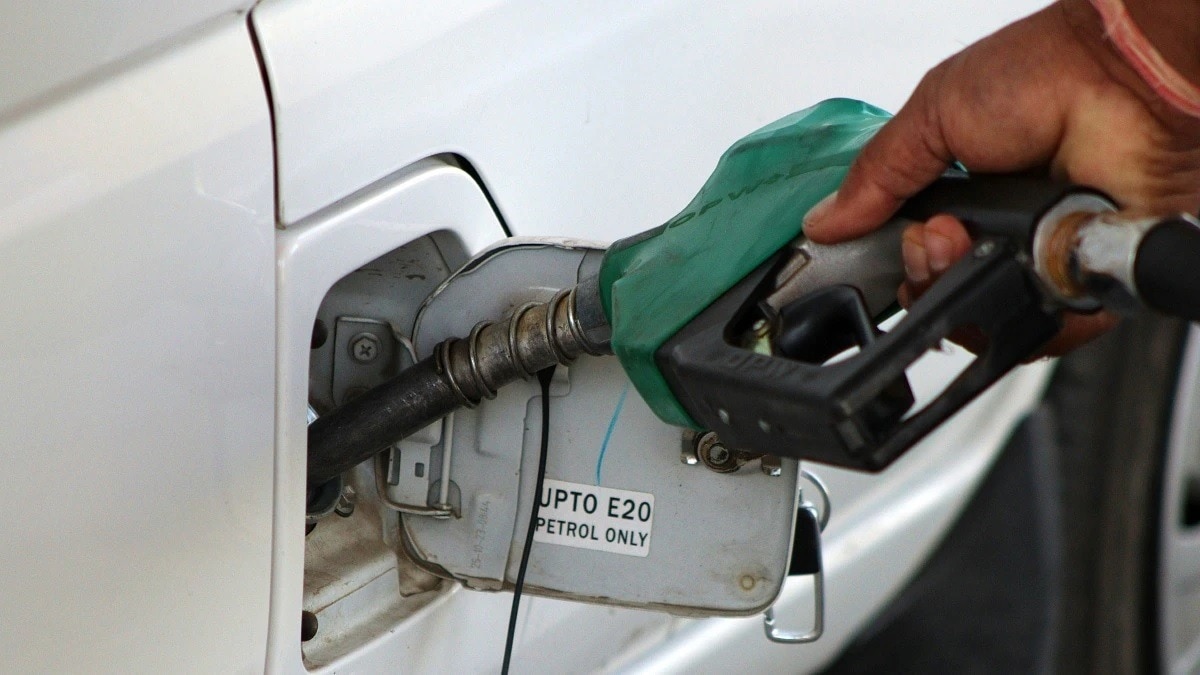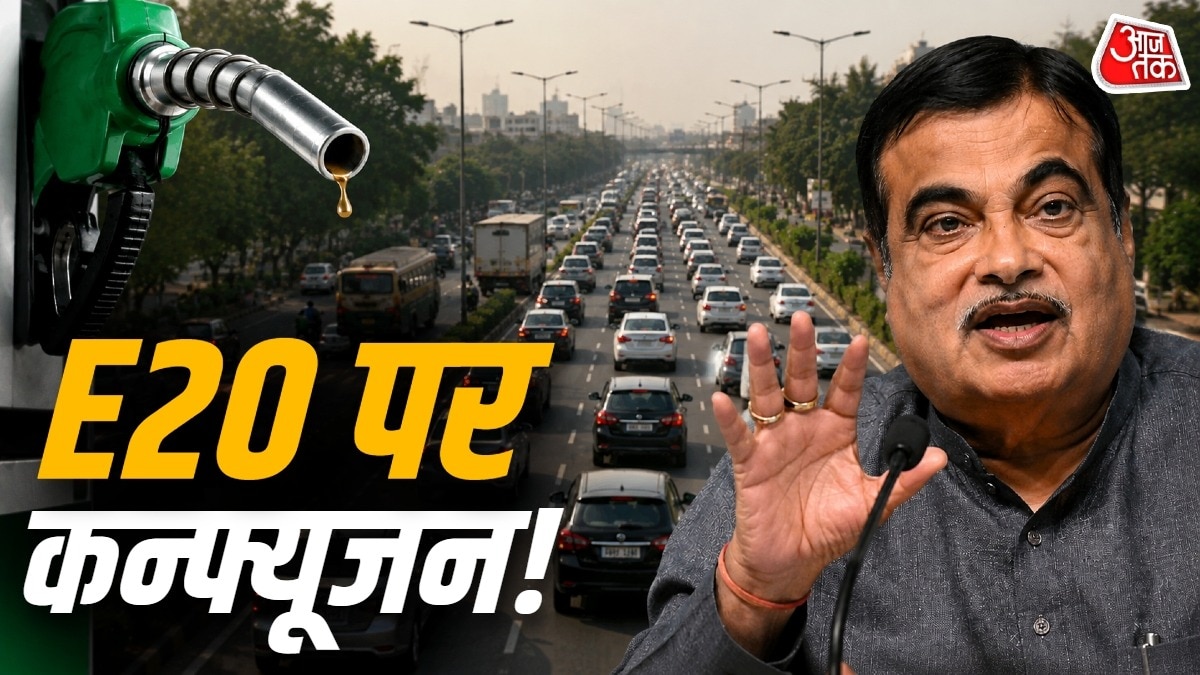
India's government has decided to stop blending ethanol with diesel after tests revealed a significant drop in flash point, raising safety concerns. While diesel blending is halted, ethanol up to 20% in petrol remains approved. The move aims to safeguard storage and transport operations.
Key Takeaways
- Government bans ethanol blending in diesel.
- Tests show flash point drops dramatically.
- Petrol can still contain up to 20% ethanol.
Announcement in Rajya Sabha
Petroleum and Natural Gas Minister Suresh Gopi informed the Rajya Sabha on August 11 that state‑run oil companies conducted extensive diesel‑ethanol blending trials. The results demonstrated that adding ethanol lowers diesel’s flash point substantially, increasing fire risk during storage and transport. Consequently, the government has decided to pause the blending program.
Background of Ethanol Blending
The push to blend ethanol into petrol was launched to cut crude oil imports and reduce emissions, culminating in the E20 policy (20% ethanol). This initiative has garnered support from state governments and the automotive sector. While petrol blending proved safe up to 20%, the same mixture in diesel introduced new safety challenges.
Test Findings Reveal Critical Issue
Certified labs and automotive manufacturers collaborated on the tests, which found that ethanol‑blended diesel’s flash point fell from the typical 52 °C to roughly 30 °C. Such a reduction makes the fuel far more prone to ignition, especially during tanker transport and underground storage at fuel stations.
Why This Matters
BozokMedia analysis shows that a lower flash point not only endangers fuel handling infrastructure but also escalates insurance costs for logistics firms. This decision helps maintain long‑term safety standards and prevents potential economic losses.
"Ethanol’s high volatility weakens diesel’s thermal stability, breaching essential industrial safety thresholds," says Dr. Rita Sharma, Chemical Engineering Professor.
Frequently Asked Questions
Will ethanol blending ever return to diesel?
Not currently, due to safety concerns, though future scientific reviews could reconsider the policy.
How does ethanol affect petrol vehicle performance?
Government trials indicate that E20 fuel may reduce mileage by 2‑3% while delivering notable environmental benefits.