Advanced technology has given rise to sophisticated rental scams that exploit AI to create fake listings and impersonate landlords. Renters should stay vigilant against unusually low rents, landlords who refuse inspections, and insecure payment methods.
Key Takeaways
- Identify AI‑driven scam signals
- Inspect properties in person
- Use secure payment channels
The convenience of searching for a home online has made the process faster, but it also opens doors to new threats. Cybercriminals now leverage artificial intelligence to craft convincing fake property ads, counterfeit landlord profiles, and realistic photographs, luring unsuspecting tenants into traps. This article breaks down the most common red flags and practical safeguards to help you rent safely.
Historical Background
Rental fraud is not a new phenomenon; it dates back to the early days of the internet when scammers used simple email scams and rudimentary websites. With the rise of digital advertising platforms in the 2010s, fraud cases surged. Today, AI‑generated images and language models enable criminals to produce listings that look almost indistinguishable from genuine ones, rendering traditional cautionary measures insufficient and demanding a fresh awareness framework.
Key vigilance steps include: first, scrutinize unusually low rent figures—prices far below market rates often signal a scam. Second, meet the landlord or agent in person and conduct a thorough property walkthrough. Third, verify ownership by requesting official documents such as title deeds or registration certificates; never make an upfront payment without confirming the property’s legal status.
"The best defense against AI‑powered rental scams is personal verification and documented proof—don’t rely solely on digital convenience," says real‑estate security expert Dr. Anil Patel.
Why This Matters (इसके मायने क्या हैं)
According to BozokMedia analysis, online rental fraud has risen by over 30% in the past two years, leaving ordinary house‑hunters facing financial loss and heightened stress. As housing demand spikes, these scams exacerbate social insecurity, especially for young professionals and migrants seeking stable accommodation.
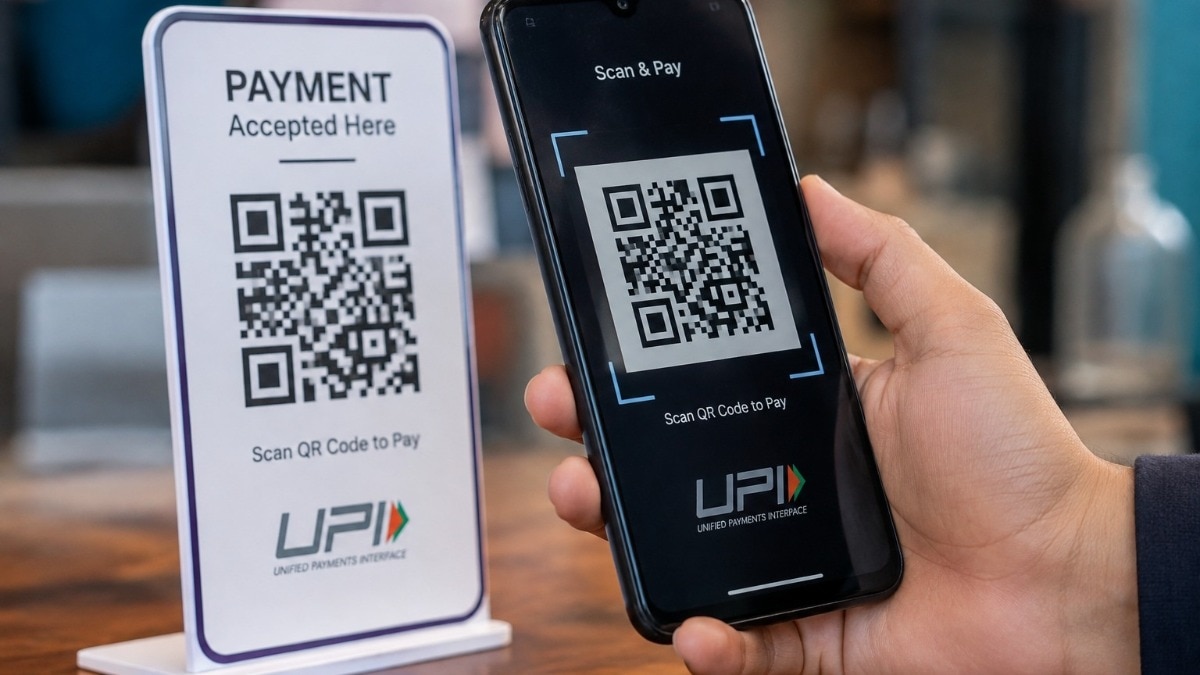
From an economic perspective, fraud erodes trust in financial institutions and diminishes market transparency, ultimately affecting rental price stability. Embracing secure payment methods—such as escrow services or bank transfers—and confirming listings through reputable portals can mitigate these risks and restore confidence in the rental ecosystem.
Frequently Asked Questions (अक्सर पूछे जाने वाले प्रश्न)
Q1: What should I do if a landlord insists on an online payment?
A: Use a trusted bank transfer or an escrow service, and never send money directly to an unverified personal account.
Q2: How can I spot a fake listing?
A: Look for price anomalies, unfamiliar email domains, and a refusal to meet in person or provide verifiable documentation; these are common warning signs.