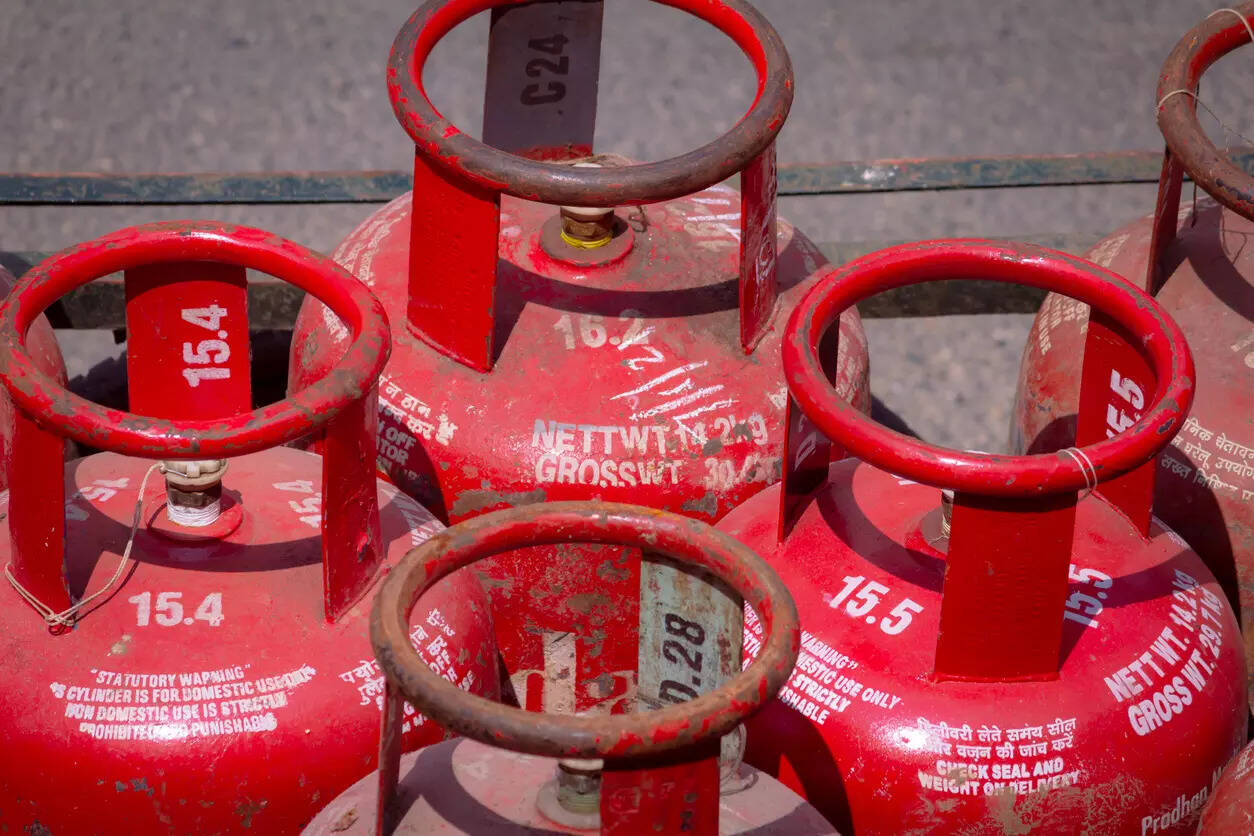
According to PL Capital, India's LPG subsidy cost may surge beyond the budgeted ₹30,000 crore and breach the ₹1 lakh crore mark in FY27. Rising fuel prices and war‑related uncertainties are the primary drivers of this spike, putting additional strain on public finances.
Key Takeaways
- LPG subsidy cost far exceeds budget estimate
- FY27 subsidy could cross ₹1 lakh crore
- Higher fuel prices and war uncertainty are key drivers
PL Capital’s latest analysis indicates that the government’s allocation of just ₹30,000 crore for LPG subsidies in FY27 has already been outstripped, with the current loss per cylinder hovering around ₹490. At the present run‑rate, the total subsidy bill is poised to surpass ₹1 trillion (₹1 lakh crore) by the end of the financial year.
Historical Background
India introduced LPG subsidies in the early 2000s to make clean cooking fuel affordable for low‑income households. Between 2010 and 2020, annual subsidies averaged between ₹15,000 crore and ₹20,000 crore, driven by relatively stable global oil prices and a focused domestic consumption strategy. The 2022‑23 fiscal year saw the first major surge when geopolitical tensions and the Russia‑Ukraine war pushed crude prices higher, lifting the LPG subsidy to roughly ₹35,000 crore.
Since then, the combination of rising LPG retail prices and a cost‑sharing arrangement between the government and oil marketing companies (OMCs) has amplified the subsidy burden. In the April‑May 2026 window alone, the government disbursed ₹755.4 billion for major subsidies, a 47 % jump over the same period last year. Food subsidies, nutrient‑based fertilizer support, and urea subsidies each posted double‑digit growth, underscoring a broader fiscal pressure.
Amid these expanding outlays, the Centre has signaled a cautious stance on capital expenditure for the first half of FY27. While FY26’s capital spending hit ₹2.5 trillion—a 13 % rise year‑on‑year—the government aims to keep the pace measured to preserve fiscal discipline and avoid additional borrowing.
Why This Matters (इसके मायने क्या हैं)
BozokMedia analysis shows that a sudden escalation in LPG subsidies can reverberate across the entire economy. Higher subsidy payouts strain the fiscal ledger, potentially crowding out investments in infrastructure, health, and education, thereby slowing long‑term growth.
For ordinary citizens, the impact is immediate. When subsidies swell, the government often passes on higher procurement costs to consumers through increased retail prices. This disproportionately hurts low‑ and middle‑income families, who already allocate a sizable share of their income to cooking fuel.
"Prudent subsidy management is essential to safeguard fiscal stability and protect consumers from price volatility."
Comparison of Subsidy Allocation vs Actual Spending
| Sector | Budget FY27 (₹ crore) | Actual YTD Spend (₹ crore) | Difference (%) |
|---|---|---|---|
| LPG | 30,000 | 49,000 | +63% |
| Food | — | 408,000 | +46% |
| Nutrient‑based Fertiliser | — | 60,100 | +39% |
| Urea | — | 284,500 | +50% |
Frequently Asked Questions (अक्सर पूछे जाने वाले प्रश्न)
Q1: Why is the LPG subsidy rising so sharply?
A: The surge is driven by higher global oil prices, the cost‑sharing policy with OMCs, and ongoing geopolitical uncertainties that keep market prices volatile.
Q2: How will this affect the average Indian consumer?
A: If subsidies remain unsustainable, retailers may increase LPG prices, raising household expenditures and straining budgets, especially for low‑income families.