Niti Aayog has outlined six mission‑driven biotech initiatives aiming to build a $691 billion bioeconomy by 2035, backed by a Rs 50,000‑crore growth fund and accelerated regulatory support.
Key Takeaways (मुख्य बिंदु)
- Six national Bio‑Missions proposed
- Goal of $691 billion bioeconomy by 2035
- Rs 50,000 crore Bioeconomy Growth Fund
Niti Aayog’s freshly released bioeconomy roadmap aims to overhaul India’s biotechnology sector by consolidating fragmented programmes into six mission‑driven national initiatives. The six missions – GeneIndia, AgriBio 2.0, BioX Foundry, One Health Grid, Marine Biotechnology, and BioPharmaNext – are designed to propel India toward a $691 billion bioeconomy by 2035.
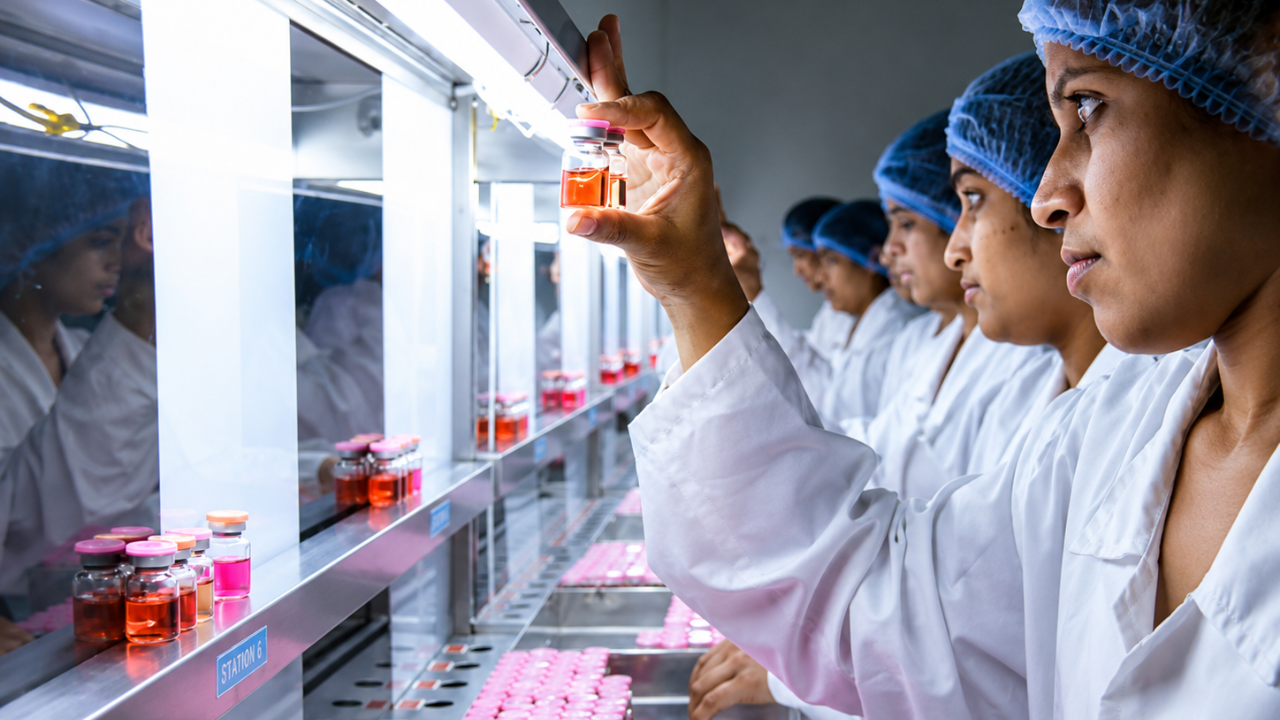
GeneIndia will broaden access to affordable gene‑ and cell‑based therapies and precision diagnostics. AgriBio 2.0 focuses on climate‑resilient crop varieties and quality‑assured bio‑inputs. BioX Foundry seeks to commercialise synthetic biology breakthroughs, while One Health Grid will bolster AI‑augmented disease surveillance. Marine Biotechnology promotes seaweed cultivation and marine bioproducts, and BioPharmaNext aspires to make India a global hub for next‑generation biologics, biosimilars, vaccines, and AI‑driven drug discovery.
To operationalise these missions, the roadmap proposes an Empowered Committee on National BioMissions, a National BioData Council, and a BioEconomy Investment & Policy Forum. A Rs 50,000 crore (≈ $600 million) Bioeconomy Growth Fund for 2026‑2035 will bridge the gap between laboratory research and commercial‑scale manufacturing. The plan also calls for PLI‑style incentives, faster regulatory approvals, and stronger intellectual‑property protection to reduce import dependence and anchor global supply chains in India.
| Current Framework | Proposed Bio‑Mission Framework |
|---|---|
| Fragmented programmes, limited funding | Six integrated missions, Rs 50,000 crore fund |
| Slow regulatory approvals | Fast‑track IP approvals, PLI incentives |
| Low export orientation | Focus on globally competitive bio‑products |
Historical Background
Over the past decade, India’s biotech sector has expanded sixteen‑fold, reaching a market size of $195.3 billion and contributing 4.8 % to the nation’s GDP. Despite this growth, gaps remained in translating research into market‑ready products, protecting intellectual property, and attracting large‑scale investments. The new roadmap draws on this experience, shifting to a mission‑centric model to address systemic bottlenecks.
Why This Matters (इसके मायने क्या हैं)
According to BozokMedia analysis, the successful rollout of these BioMissions will directly enhance public health and agricultural productivity. Affordable gene therapies and climate‑smart crops can raise rural incomes, while AI‑driven disease surveillance will bolster pandemic preparedness, fostering socio‑economic stability.
From an economic perspective, a $691 billion bioeconomy could generate over 30 million high‑value jobs and position India as a leading global biotech hub. Export‑oriented biomanufacturing will improve the trade balance and increase foreign‑exchange earnings, reinforcing India’s overall growth trajectory.
"If executed well, the BioMissions will not only solve domestic health and food security challenges but also catapult India into a leadership role in global biotechnology." – Dr. Anita Sharma, Biotechnology Analyst
Frequently Asked Questions (अक्सर पूछे जाने वाले प्रश्न)
Question 1: Which sectors will receive the largest share of the Bio‑Missions funding?
Answer: The initial focus will be on health (GeneIndia) and agriculture (AgriBio 2.0), as these sectors promise the greatest socio‑economic impact.
Question 2: Will the Bioeconomy Growth Fund attract private investors?
Answer: Yes, the fund is structured to encourage public‑private partnerships, enabling venture capital and international collaborators to participate.