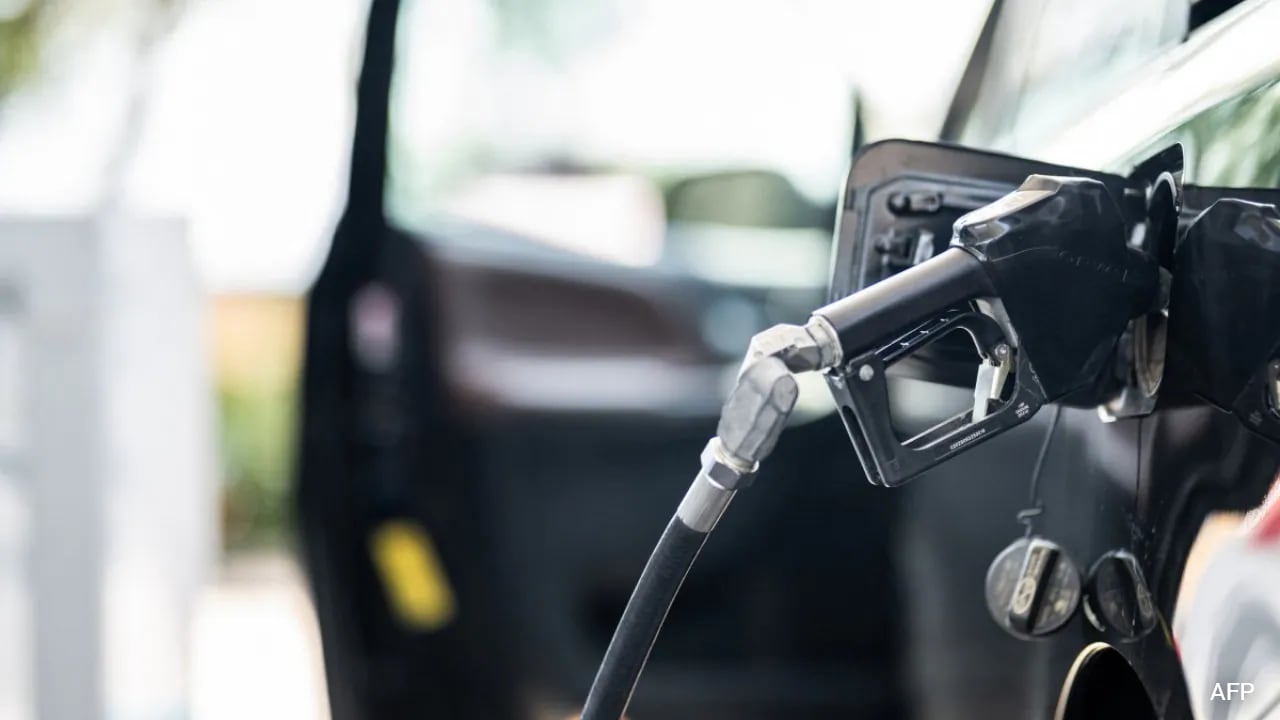
As the US struggles to stabilize inflation, rising diesel costs are emerging as a major spoiler for policymakers. The surge in energy prices could derail plans for interest rate cuts.
- Surging diesel prices act as a major driver for persistent inflation.
- Energy volatility threatens the Federal Reserve's ability to lower interest rates.
- Supply chain impacts from fuel costs could trigger a secondary inflation wave.
The economic landscape in the United States is facing a new complication as diesel prices begin to climb, presenting a significant hurdle for those hoping for a cooling inflation trend. For the 'inflation doves' within the Federal Reserve who advocate for monetary easing, this energy-driven spike serves as a critical spoiler.
The Ripple Effect of Fuel Costs
Diesel is a fundamental component of the global logistics and manufacturing infrastructure. Unlike gasoline, which primarily drives consumer vehicles, diesel fuels the heavy-duty trucks, ships, and agricultural machinery that keep the economy moving. Consequently, any spike in diesel costs translates directly into higher transportation and production expenses, which are eventually passed on to the consumer.
Why This Matters
BozokMedia analysis shows that the persistence of high energy costs creates a 'sticky' inflation environment. This makes it extremely difficult for the Federal Reserve to achieve its dual mandate of maximum employment and price stability without risking further economic contraction.
Energy price volatility remains the most unpredictable variable in the central bank's fight against inflation.
Geopolitical tensions and supply constraints continue to play a pivotal role in the fluctuations of the energy market. As long as these external factors remain volatile, the domestic inflation outlook in the US remains precarious.
Historical Background
Historically, energy shocks have been a primary driver of stagflationary environments. From the oil crises of the 1970s to the supply chain disruptions following the COVID-19 pandemic, sudden jumps in fuel costs have consistently forced central banks to adopt more hawkish, or restrictive, monetary policies.
Frequently Asked Questions
1. How does diesel affect general inflation?
Because diesel powers the transport of goods, higher costs increase the price of almost every consumer product.
2. Will this stop interest rate cuts?
If diesel-driven inflation remains high, the Federal Reserve may be forced to keep interest rates elevated for longer.