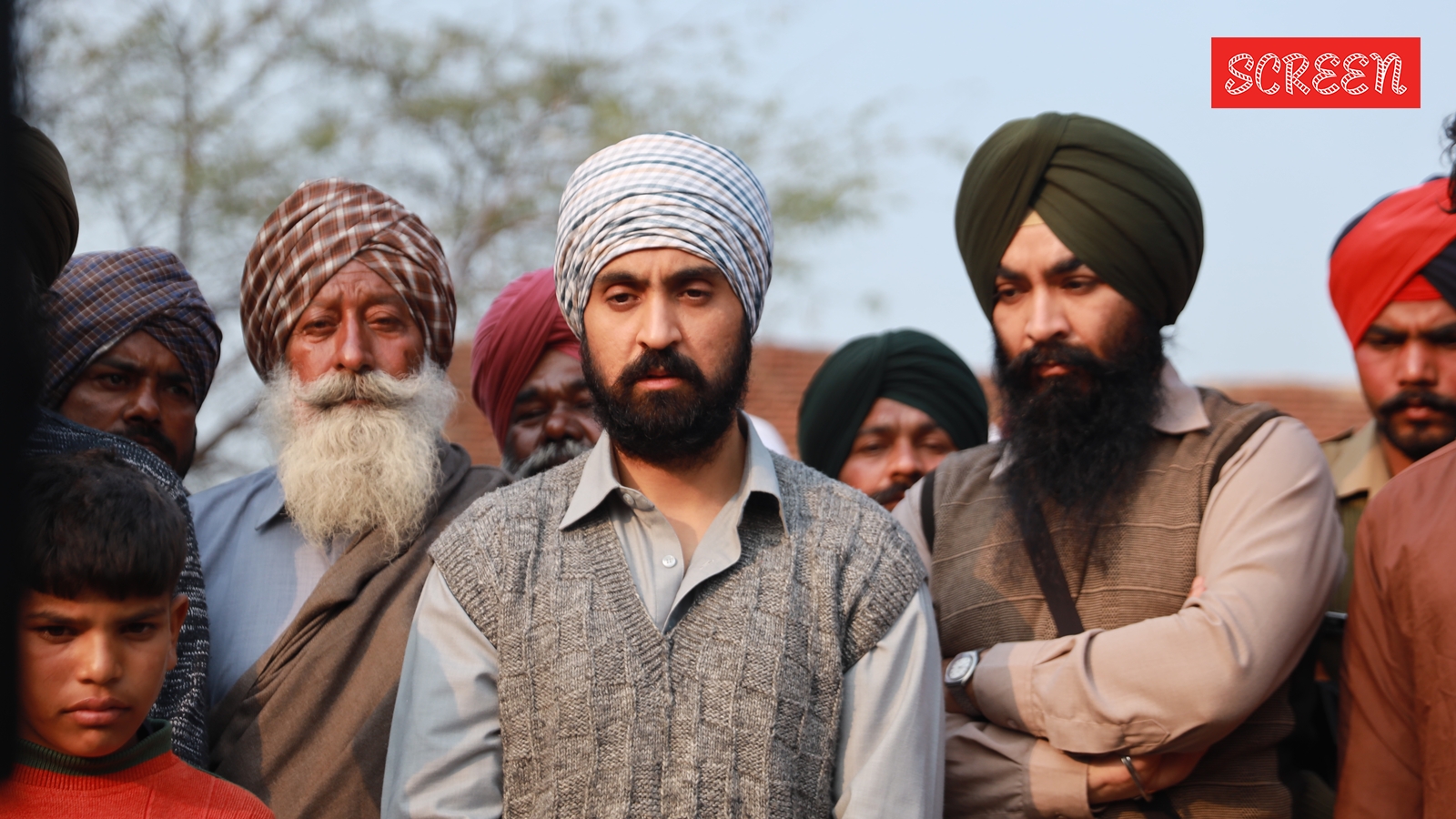
A 36‑year‑old petitioner has filed a public interest litigation in the Punjab‑Haryana High Court, challenging the unexplained removal of the film 'Satluj' from ZEE5. The petition argues that the takedown infringes on fundamental freedom of expression and deprives subscribers of paid content.
When 36‑year‑old Sharwan Singh lodged a public interest litigation (PIL) before the Punjab‑Haryana High Court, he sought an order compelling the OTT giant ZEE5 to restore the feature film Satluj. The petition contends that the film was withdrawn merely two days after its digital release, without any statutory, judicial or governmental directive, thereby violating the constitutional rights of millions of viewers.
Background and Legal Framework
The biopic chronicles the life of human‑rights activist Jaswant Singh Khalra, directed by Honey Trehan and headlined by singer‑actor Diljit Dosanjh. Originally titled “Punjab ’95”, the project lingered for years due to certification hurdles at the Central Board of Film Certification (CBFC). After extensive cuts and modifications, it finally premiered on ZEE5 on July 3 under the name “Satluj”, only to be removed on July 5.
Petitioner’s Claims
Represented by advocates Hakam Singh, Ajayvir Singh Randhawa, Shruti and Anmol Jeevan Singh Gill, Sharwan Singh filed the petition against the Union of India, the CBFC, the State of Punjab, Zee Entertainment Enterprises Limited and ZEE5. Invoking Article 226 of the Constitution, he seeks a writ directing the respondents to "forthwith restore the feature film ‘Satluj’ for public viewing on the OTT platform throughout India, there being no disclosed statutory, judicial or other lawful order prohibiting its exhibition and to ensure that the fundamental right to freedom of speech and expression guaranteed under Article 19(1)(a) of the Constitution of India ... is not curtailed except in accordance with the procedure established by law."
Questions Surrounding the Removal
The petitioner argues that the abrupt takedown not only curtails Article 19(1)(a) rights but also deprives thousands of bona‑fide subscribers of content they had already paid for. ZEE5’s subsequent public statement merely referred to “current developments” and expressed support for the film while hinting at legal remedies, without revealing any legal order or court direction. This opacity raises serious concerns about transparency, artistic freedom, and possible undisclosed executive interference.
Constitutional and Historical Significance
The events depicted in the film have already been examined in landmark judgments such as Prithipal Singh v. State of Punjab and several Punjab‑Haryana High Court rulings on Khalra’s abduction and murder. By invoking these precedents, the petitioner underscores that the film’s narrative forms part of India’s documented legal and constitutional history, and suppressing it without authority contravenes the rule of law.
Future Implications
While the case is yet to be heard, its outcome could set a crucial precedent for digital content regulation on OTT platforms. A court order restoring the film would compel streaming services to adhere to clear, legally‑grounded processes before withdrawing any content, thereby safeguarding subscriber rights and upholding freedom of expression in the digital age.