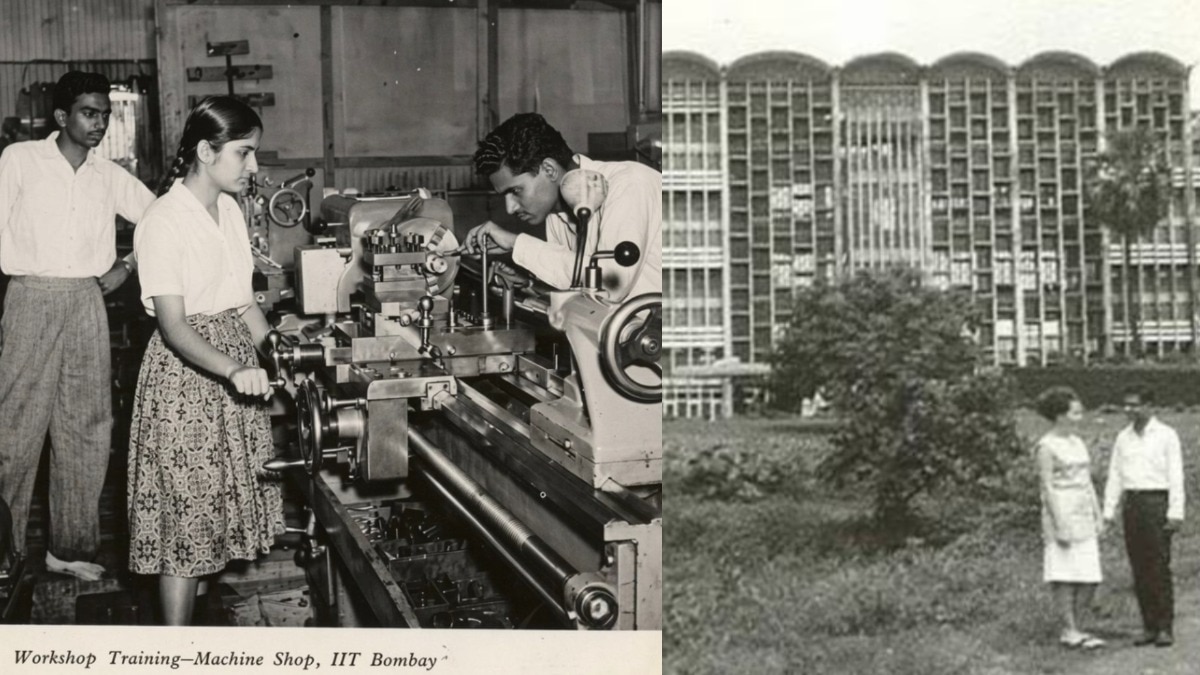
An exploration into the fascinating historical connection between IIT Bombay's curriculum and the Russian language during the 1960s. Discover how Cold War geopolitics shaped Indian technical education.
- Russian language played a pivotal role in the IIT Bombay curriculum during the 1960s.
- Strong Indo-Soviet technical ties necessitated linguistic proficiency.
- Technical manuals and research from the USSR were primary sources of knowledge.
The history of the Indian Institute of Technology (IIT) Bombay is not just a chronicle of academic excellence, but also a reflection of the complex geopolitical landscape of the mid-20th century. A fascinating question arises from the archives: Did students indeed have to learn Russian in the 1960s?
During this era, India maintained a robust strategic and technical partnership with the Soviet Union (USSR). As India embarked on massive industrialization projects, Soviet expertise played a cornerstone role in building heavy industries, steel plants, and technical infrastructure. Consequently, much of the cutting-edge engineering documentation and scientific research was published in Russian.
Why This Matters
BozokMedia analysis shows that the academic curriculum of that period was deeply intertwined with international diplomacy. The inclusion of Russian was not merely an elective choice but a strategic necessity to bridge the gap between Indian engineers and Soviet technological advancements.
In that era, language was not just a tool for communication, but a vital key to unlocking advanced technical intelligence.
By mastering Russian, students at IIT Bombay were better equipped to engage directly with Soviet specialists and interpret complex machinery manuals that were unavailable in English or Hindi. This created a unique class of engineers who were linguistically and technically dual-capable.
Historical Background
The 1960s marked a period of intense industrial growth in India. The Indo-Soviet friendship was characterized by massive technology transfers. This era of 'Science Diplomacy' meant that educational institutions like IITs had to adapt their curricula to ensure that the next generation of Indian scientists could navigate the nuances of Soviet-led technical revolutions.
Frequently Asked Questions
Question 1: Was Russian mandatory for every single student at IIT Bombay?
Answer: While it varied by department, it was highly encouraged and often essential for those specializing in fields heavily influenced by Soviet technology.
Question 2: Why did this requirement eventually fade away?
Answer: With the shift in global geopolitics and the dominance of English as the global lingua franca of science, the emphasis on Russian declined in favor of English and other modern languages.