As part of a major eco-restoration drive, Delhi aims to rejuvenate eight water bodies in the Central and Southern Ridge to combat water scarcity and support biodiversity.
New Delhi: In a strategic move to bolster the capital's ecological resilience, authorities have announced a comprehensive plan to restore and strengthen eight critical water bodies across the Central and Southern Ridge of Delhi. This initiative, part of the Delhi Ridge Eco-Restoration Programme, is designed to facilitate groundwater recharge, conserve soil moisture, and mitigate urban waterlogging issues.
A Vital Ecological Buffer
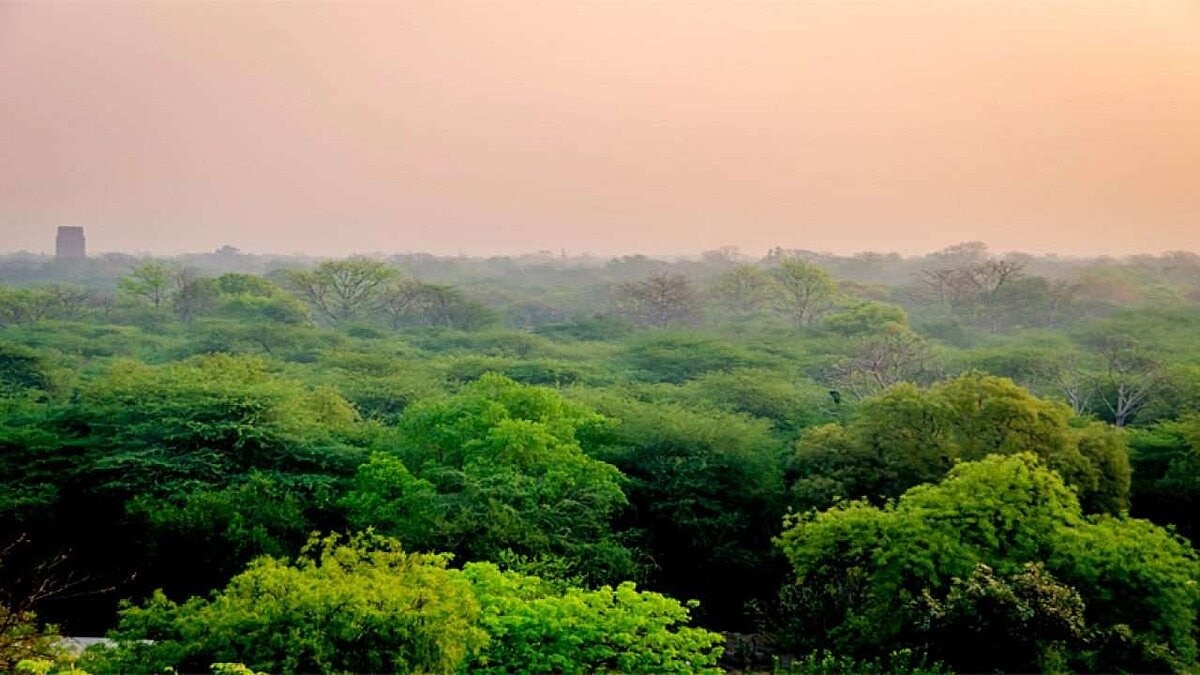
The Delhi Ridge serves as one of the city's most indispensable ecological assets, acting as a natural green buffer against dust storms and playing a crucial role in regulating the urban microclimate. The restoration project aligns with the larger ecological mission launched by Union Home Minister Amit Shah during Delhi's mega plantation drive, focusing on long-term habitat restoration and scientific natural resource management.
Targeted Interventions and Locations
The project has identified specific sites for immediate intervention. On the Southern Ridge, the focus will be on the drainage areas surrounding Devli, Chhatarpur, Bhatti, and Ayanagar villages. On the Central Ridge, selected sites include sections of Shankar Road (Pocket B), Vande Mataram Road (Pockets B and F), and Ramnath Vij Marg (Pocket E).
According to project officials, most of these sites are natural depressions that have historically collected monsoon rainwater. However, due to heavy siltation and a lack of consistent maintenance, their water-holding capacity has drastically diminished. The restoration process will involve desilting, increasing depth, and implementing stone pitching to ensure long-term structural integrity and maximum water retention.
Combating Waterlogging and Supporting Biodiversity
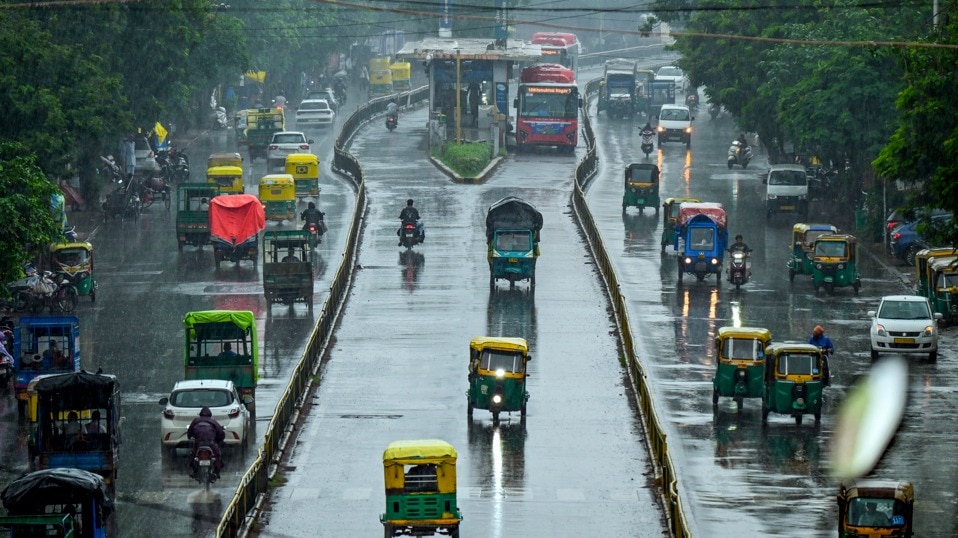
Beyond groundwater replenishment, the project aims to address the perennial issue of monsoon waterlogging. By engineering natural drainage channels that follow the existing topography, excess stormwater will be diverted into these restored basins. This will not only reduce surface runoff but also provide a consistent water source for the diverse wildlife and avian species that inhabit the Ridge, fostering a more robust and self-sustaining ecosystem.