The Indian Meteorological Department (IMD) warns that most of India will remain dry for the rest of July, while the northeast and eastern regions are set for above‑normal rainfall. This outlook could have significant repercussions for agriculture, water management, and the broader economy.
Key Takeaways
- Dry conditions will dominate most of India for the remainder of July.
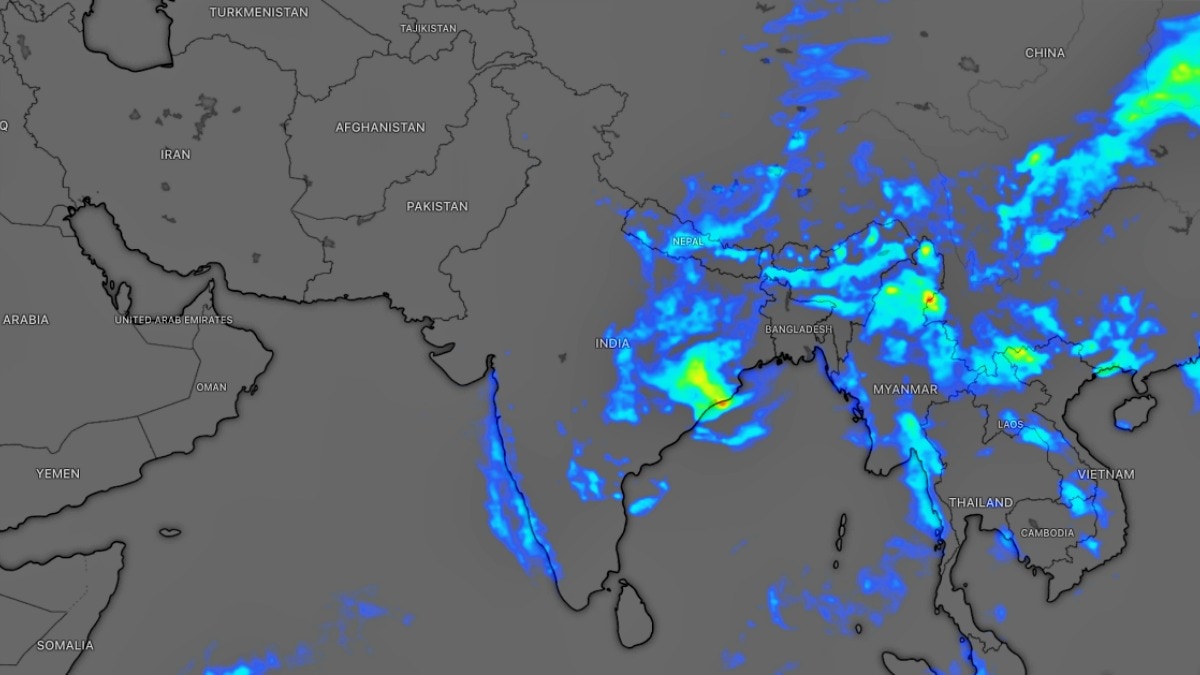
- Eastern and northeastern states are likely to receive normal to above‑normal rainfall.
- The split weather pattern could strain agricultural output and water resources.
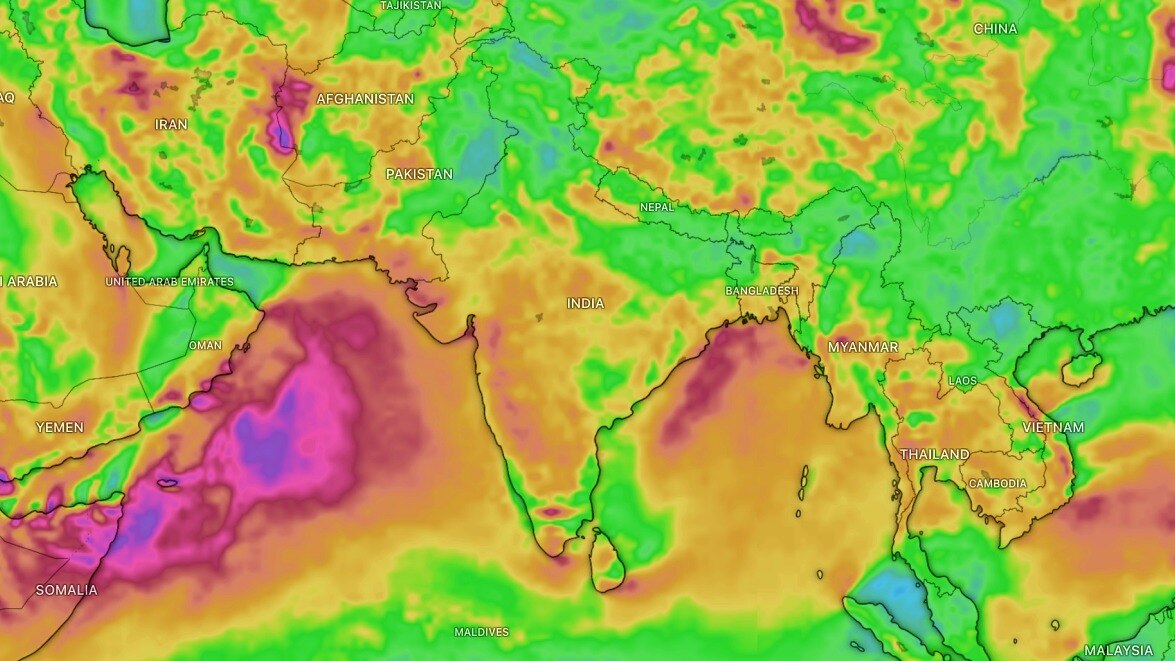
The India Meteorological Department (IMD) issued its weekly forecast stating that, apart from the east and northeast, the country will experience predominantly dry weather through the rest of July. The forecast, covering July 16‑22, highlights a monsoonal trough displaced far north of its usual position, hugging the Himalayan foothills, which suppresses rain over central, southern, and north‑west India.
Background and Historical Context
Monsoon variability has historically affected over 30 % of the Indian subcontinent, leading to either droughts or floods. In the past five decades, similar northward shifts of the trough have resulted in heavy precipitation in the northeast while leaving the heartland parched. IMD’s latest figures show July’s rainfall at roughly 94 % of the long‑term average, with the deficit swelling from 8 % mid‑month to 24 % across the season.
Agricultural and Water‑Resource Implications
Dry conditions threaten key grain‑producing regions such as Madhya Pradesh, Maharashtra, and Rajasthan, where paddy and cotton rely heavily on monsoon‑driven irrigation. Conversely, the northeast—covering Jammu & Kashmir, Himachal Pradesh, Uttarakhand, and the hill states—faces the risk of flash floods, landslides, and infrastructure damage. Water‑storage strategies must now balance reservoir releases with flood‑mitigation measures.
Future Outlook and Policy Recommendations
Strong north‑westerly winds are expected to dominate, limiting the influx of moist monsoonal air. Climate experts warn that such anomalous trough positioning may become more frequent as global warming intensifies. Policymakers are urged to accelerate climate‑resilient initiatives: expanding rain‑water harvesting, revising crop insurance, and strengthening disaster‑response frameworks to safeguard vulnerable communities.