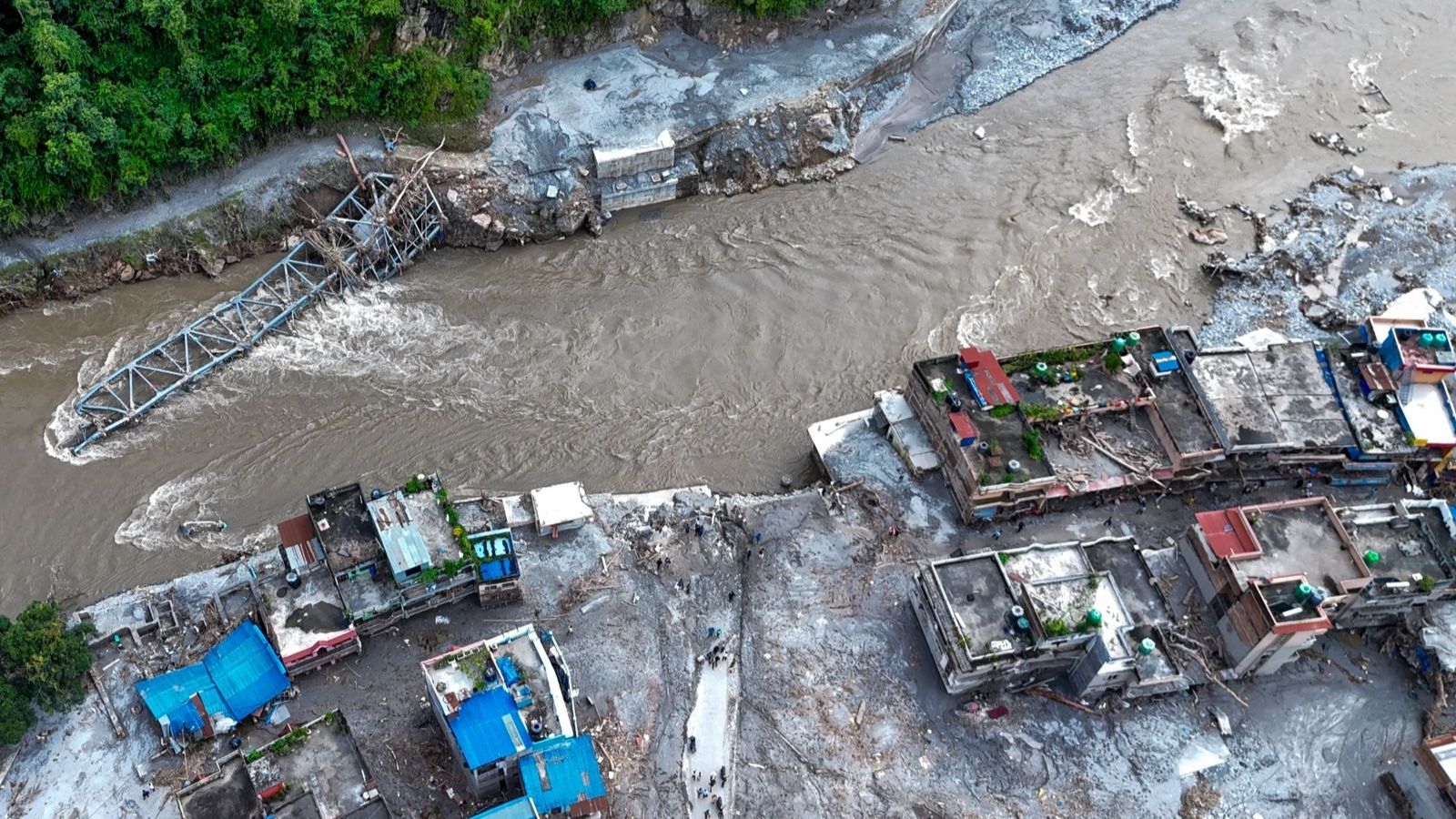
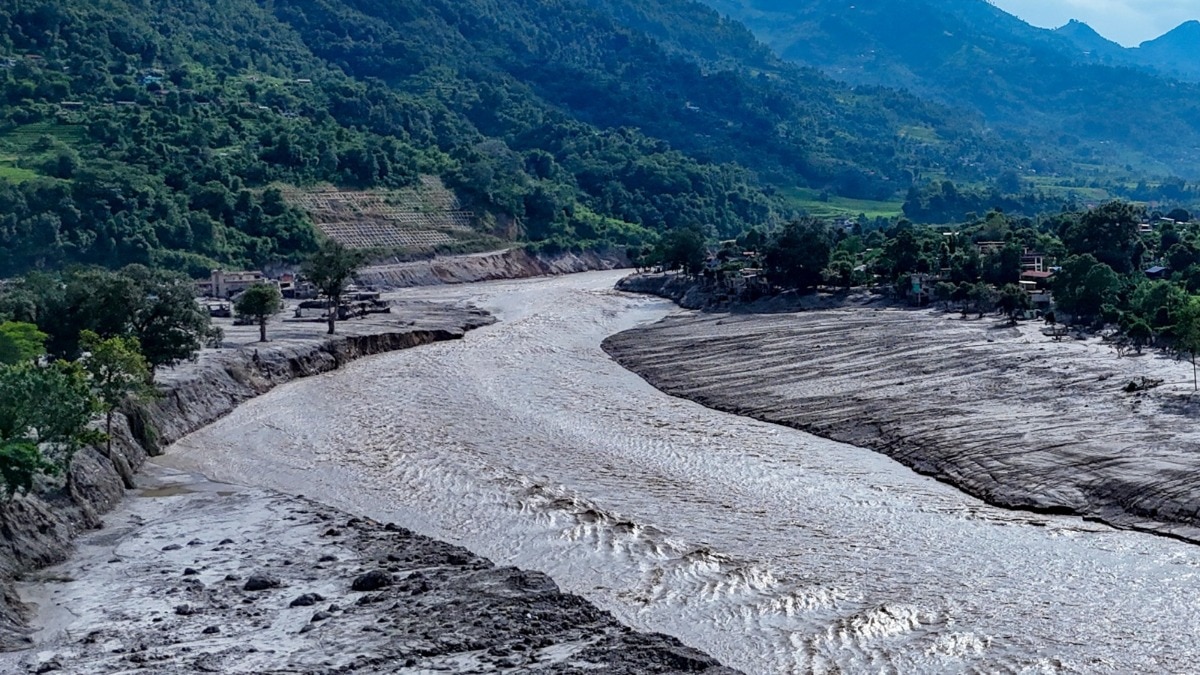
A massive threat looms over the Himalayan region as five critical glacier lakes face extreme sensitivity, raising fears of devastating floods similar to the recent disaster in Nepal. Scientists warn that the accelerating melt due to climate change could trigger a chain reaction of destruction.
- Five major glacier lakes in the Himalayan region are identified as highly sensitive.
- Glacial Lake Outburst Floods (GLOF) pose a threat of catastrophe similar to Nepal's recent floods.
- Data shows 221 Himalayan lakes are potential sites for such outbursts.
- Climate change is drastically accelerating glacial melting rates.
The Himalayan ecosystem is currently facing an unprecedented existential threat. Following the devastating floods in Nepal, scientists have issued a stark warning: the disaster seen there may not be an isolated incident. Research indicates that five critical glacier lakes in the region are in a highly volatile state, posing a significant risk of bursting at any moment.
A Glacial Lake Outburst Flood (GLOF) occurs when the natural dam—composed of ice or loose debris—holding back a glacial lake fails. This results in a sudden, massive release of water that cascades downstream, capable of obliterating entire villages, infrastructure, and ecosystems within minutes.
Why This Matters
BozokMedia analysis shows that this is not merely an environmental concern but a looming humanitarian and geopolitical crisis. Nations including India, Nepal, Bhutan, and China are directly in the line of fire. The economic impact of such floods on downstream hydroelectric projects and agricultural lands could be irreversible.
The uncontrolled melting of glaciers acts as a 'time bomb' for Himalayan states, where the fuse is being shortened by global warming.
Historical data provides a chilling context: approximately 221 lakes in the Hindu Kush Himalaya region are considered high-risk. In the last 491 years, these lakes have burst an estimated 254 times, demonstrating a recurring pattern of high-intensity natural disasters.
Historical Background and Climate Context
The primary driver behind this instability is global warming. As temperatures rise, glaciers are retreating at an alarming rate, leaving behind large depressions that fill with meltwater. In India, regions like Uttarakhand are particularly vulnerable due to the presence of 'hanging glaciers' which can collapse and trigger landslides or floods.
| Region | Risk Level | Primary Driver |
|---|---|---|
| Nepal | Extremely High | Rapid Glacial Retreat |
| Uttarakhand (India) | High | Hanging Glaciers & Heavy Rainfall |
| Bhutan | Moderate to High | Small Glacial Lakes |
Frequently Asked Questions
1. What exactly is a GLOF?
GLOF stands for Glacial Lake Outburst Flood, a sudden release of water from a lake formed by a melting glacier.
2. How does climate change affect this?
Rising global temperatures cause glaciers to melt faster, creating larger and more unstable lakes that are prone to bursting.