Glacial Lake Outburst Floods (GLOFs) are more than just hydrological disasters; they are profound public health emergencies that strike long after the waters recede.
- GLOFs cause a multi-wave health crisis, ranging from immediate trauma to long-term mental health issues.
- The destruction of cold chains and medicine supplies creates a 'silent killer' effect for chronic disease patients.
- Himalayan glaciers are warming faster than the global average, increasing the frequency of these events.
- Disaster preparedness must integrate health infrastructure mapping with hydrological monitoring.
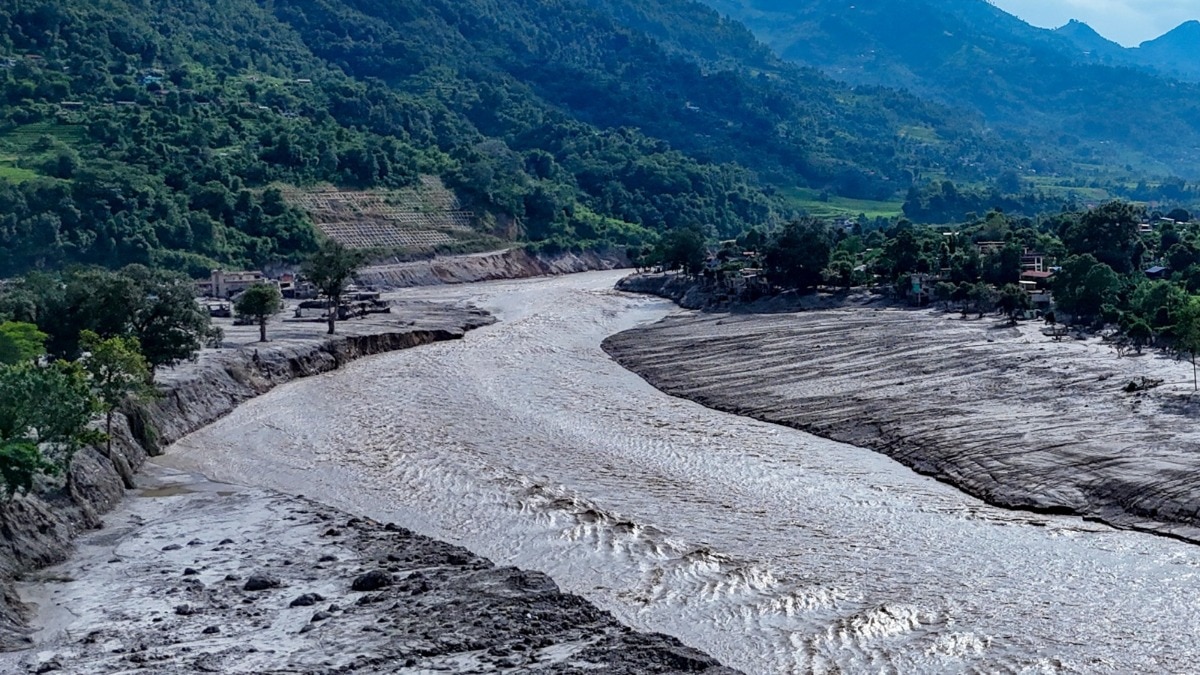
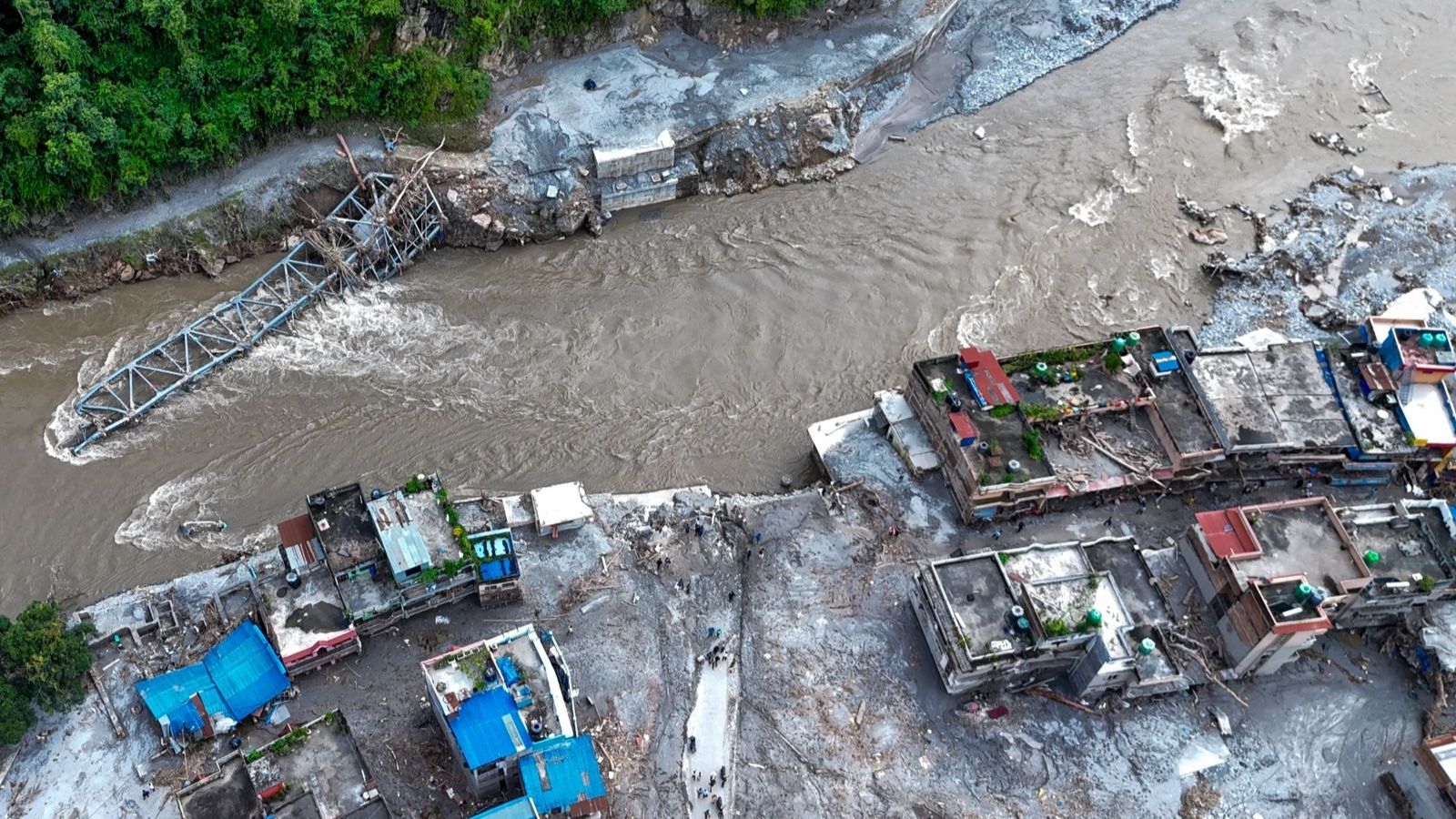
On the night of October 3, 2023, the South Lhonak Lake in North Sikkim burst, sending a wall of debris down the Teesta river. The immediate destruction was documented: homes vanished, and the Chungthang hydropower dam was destroyed. However, the true catastrophe extended far beyond the initial surge of water. For many, the disaster didn't end when the flood receded; it began when their life-saving medications, like insulin, were washed away.
The Indian Himalaya contains over 7,500 glacial lakes. ISRO inventories reveal that many of these lakes are expanding at an alarming rate. As the Hindu Kush Himalaya warms faster than the global mean, what were once considered 'once-in-a-century' events are rapidly becoming recurring seasonal risks.
Why This Matters
BozokMedia analysis shows that we have fundamentally misclassified GLOFs. We treat them as purely hydrological problems, but they are actually climate-health syndemics—complex interactions where a single environmental shock triggers multiple overlapping epidemics.
A GLOF does not only drown; it redraws the entire disease ecology of a region.
The Four Waves of Harm
The impact of a glacial burst unfolds in four distinct, devastating waves. Wave 1 involves immediate mortality from drowning and trauma. Wave 2 is the contamination phase, where destroyed sanitation systems lead to outbreaks of cholera, typhoid, and hepatitis. Wave 3 is the 'invisible disruption'—the breaking of medical supply chains. For patients with hypertension or diabetes, the loss of electricity and refrigeration for insulin can be fatal. Finally, Wave 4 is the long shadow of mental health, characterized by PTSD and solastalgia—the distress caused by the loss of one's home environment.
| Impact Wave | Primary Effect | Timeframe |
|---|---|---|
| Wave 1: Immediate | Drowning, Trauma, Hypothermia | Hours to Days |
| Wave 2: Contamination | Waterborne diseases (Cholera, Typhoid) | Weeks |
| Wave 3: Disruption | Chronic disease decompensation (Diabetes, NCDs) | Months |
| Wave 4: Long Shadow | Mental health, PTSD, Solastalgia | Years |
Currently, disaster management operates in silos. The NDMA focuses on floods, while the Health Ministry focuses on illness. To save lives, we must overlay hydrological risk maps with health data. We need to know not just which lake is rising, but how many dialysis machines, insulin-dependent patients, and maternity wards lie in its path.
Frequently Asked Questions
1. What is a GLOF?
A Glacial Lake Outburst Flood (GLOF) occurs when the natural dam containing a glacial lake fails, releasing a massive amount of water downstream.
2. Why is medicine supply so important in these floods?
Many mountain residents rely on regular medication for chronic conditions; when floods destroy electricity and roads, these life-saving supplies are lost, leading to secondary deaths.