A recent study uncovers that daily discharge of 6,000 liters of human urine on Mount Everest is melting roughly 2,500 tons of ice, accelerating glacier retreat. This unexpected factor adds a new layer to the climate‑change narrative.
- Approximately 6,000 L of human urine deposited daily on Everest
- Results in about 2,500 tons of ice melting each day
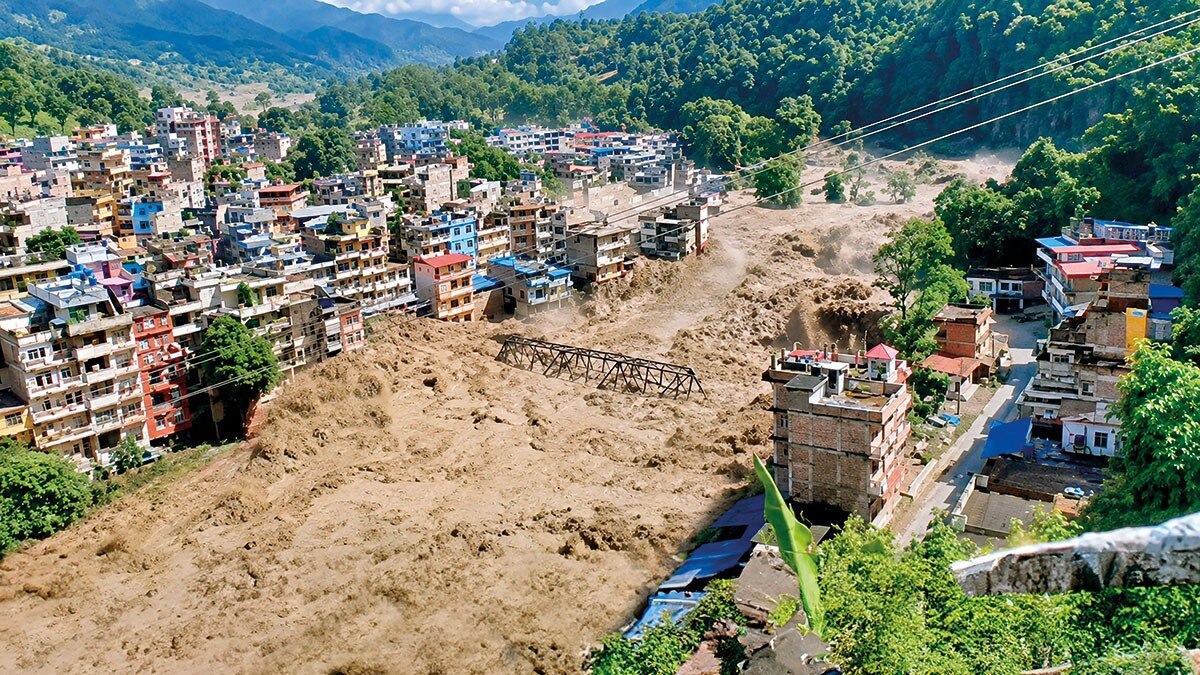
- Accelerated melt heightens flood risk downstream in Nepal
Researchers from dricknews.com have quantified a surprising source of heat on the world’s highest peak: climbers’ urine. Measurements indicate that around 6,000 liters of urine hit the glacier each day, raising local temperatures enough to melt roughly 2,500 tons of ice.
The team combined temperature logs, urine pH analyses, and ice‑density readings from multiple Everest expeditions. Their findings suggest that the thermal energy released by the urine, though modest per drop, accumulates to a significant melt driver.
Beyond the scientific curiosity, the rapid melt feeds into Nepal’s flood‑prone river basins. Sudden influxes of meltwater swell rivers, increasing the frequency and severity of downstream flooding during monsoon season.
Integrating this anthropogenic factor into climate models is essential. Policymakers may need to rethink waste‑management protocols for high‑altitude tourism to mitigate hidden environmental impacts.
Why This Matters
BozokMedia analysis shows that without stricter sanitation standards for mountaineering expeditions, this hidden heat source will continue to amplify glacier loss, threatening both ecosystems and the lucrative Everest tourism industry.
"Human urine adds a thermal pulse that, while small, compounds existing melt drivers and reshapes our understanding of glacier dynamics," says climate scientist Dr. Anjali Singh.
Frequently Asked Questions
Q1: Are there any regulations requiring climbers to manage waste on Everest?
A: Nepal currently lacks a comprehensive national rule, though several international climbing bodies have proposed strict waste‑disposal protocols.
Q2: How could this accelerated melt affect global sea levels?
A: While Everest’s glacier contributes a modest share, its rapid loss can influence regional water cycles and, cumulatively with other high‑altitude glaciers, add to sea‑level rise.