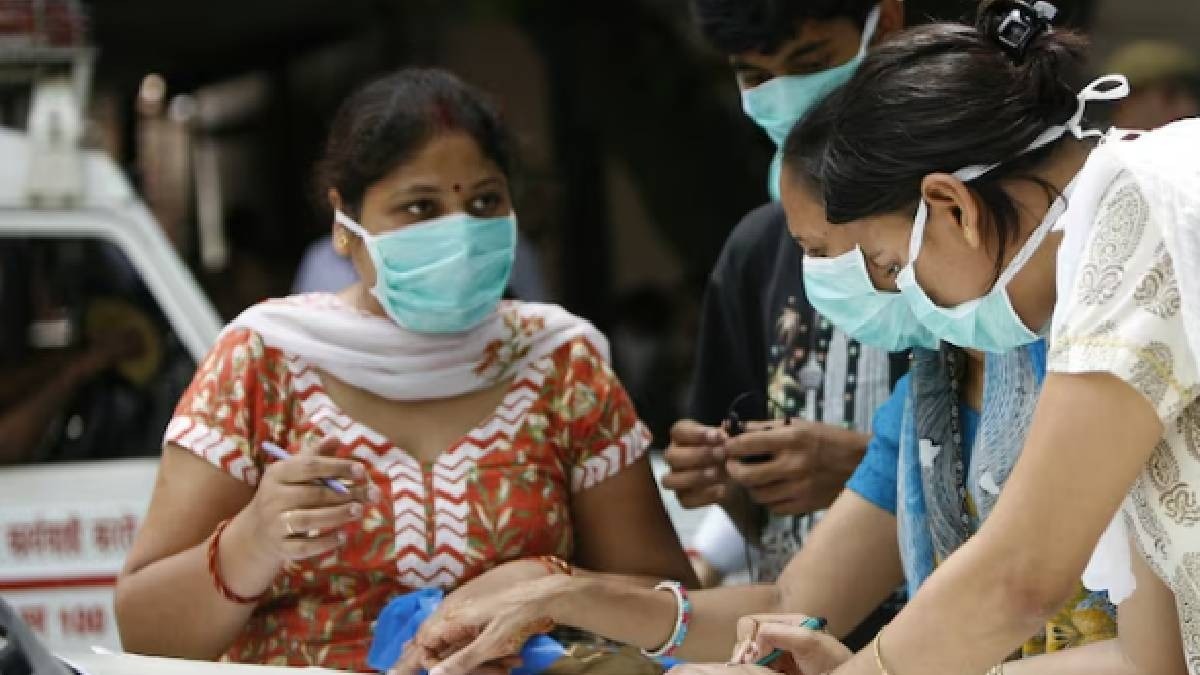
Union Health Minister J.P. Nadda conducted a high-level review of the H1N1 influenza situation and national healthcare preparedness. The meeting focused on surveillance, hospital capacity, and mitigating seasonal influenza trends.
- Union Health Minister J.P. Nadda reviewed H1N1 influenza preparedness.
- Focus placed on Delhi's hospital beds and critical care availability.
- Emphasis on ILI and SARI surveillance trends.
- Call for public awareness regarding respiratory hygiene.
Union Health Minister J.P. Nadda, on Friday, conducted a comprehensive review of the prevailing H1N1 influenza situation and the nation's preparedness to manage seasonal outbreaks. The high-level meeting, which included Delhi Health Minister Pankaj Kumar Singh, focused specifically on the readiness of the National Capital and the broader epidemiological landscape of the country.
During the session, the Minister meticulously reviewed the national surveillance mechanisms, focusing on ILI (Influenza-Like Illness) and SARI (Severe Acute Respiratory Infection) trends. He underscored the critical importance of robust testing and laboratory surveillance to ensure early detection. BozokMedia analysis shows that strengthening the diagnostic pipeline is essential to prevent seasonal surges from evolving into larger public health crises.
Healthcare Infrastructure Review
According to information released by the Ministry, the preparedness of healthcare facilities in Delhi was a primary focus. The review included an assessment of hospital bed availability, the capacity of critical care units, and the stock of necessary medical supplies. The objective is to ensure that the healthcare system can absorb sudden influxes of patients without compromising care quality.
Continuous monitoring and proactive preparedness are the cornerstones of effective seasonal influenza management.
Minister Nadda also addressed the importance of public health interventions. He emphasized preventive health practices, such as respiratory hygiene and frequent handwashing. He advised citizens experiencing persistent respiratory symptoms or breathing difficulties to seek medical attention immediately to prevent complications.
Historical Background: The Influenza Challenge
Influenza outbreaks, particularly H1N1, have historically posed significant challenges to India's public health infrastructure during seasonal transitions. With reports of early H1N1 surges in cities like Chennai and increased influenza-like illnesses in Bengaluru, the Ministry is maintaining a heightened state of vigilance to monitor these regional trends.
Why This Matters
The ability of a nation to manage infectious diseases like H1N1 depends on the seamless coordination between central and state governments. Effective surveillance and rapid clinical management are vital to reducing morbidity and mortality rates during seasonal spikes.
Frequently Asked Questions
1. What are the key focus areas of the Health Ministry's review?
The review focused on surveillance, epidemiological trends (ILI/SARI), laboratory capacity, and hospital preparedness.
2. How can citizens protect themselves from H1N1?
Citizens are advised to practice good respiratory hygiene, frequent handwashing, and seek prompt medical help if symptoms arise.