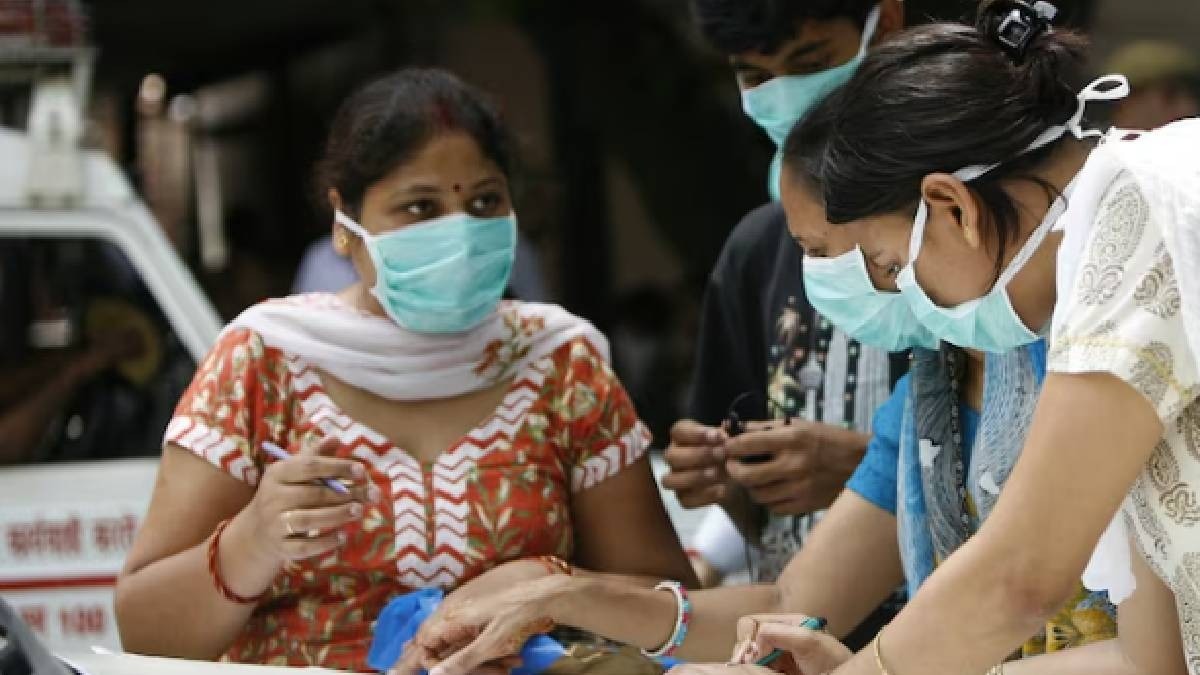
Delhi has witnessed a massive six-fold surge in H1N1 influenza cases this year. Doctors are sounding the alarm, advising children, the elderly, and pregnant women to prioritize seasonal flu shots.
- Delhi has logged over 1,777 H1N1 cases, a six-fold increase compared to last year.
- Total Influenza-A cases in the city have surpassed 2,300.
- High-risk groups including children, seniors, and pregnant women are most vulnerable.
- Medical experts warn against self-medication and emphasize the importance of timely vaccination.
New Delhi: The national capital is facing a significant respiratory health challenge as H1N1 influenza cases have skyrocketed. According to recent data from the health department, Delhi has recorded over 1,777 H1N1 cases as of August 20, marking a staggering six-fold increase from the 229 cases reported during the same period last year.
The surge is not limited to H1N1 alone; the city has recorded more than 2,300 total Influenza-A cases this year. Medical professionals across the Delhi-NCR region report a significant uptick in outpatient consultations. Dr. Aakashneel Bhattacharya of Paras Health noted a 22-25% rise in patients seeking help for flu-like symptoms in just the past week.
Why This Matters
BozokMedia analysis shows that the rapid escalation of viral infections in urban centers like Delhi is often linked to environmental factors and shifting seasonal patterns. The sudden jump in H1N1 cases places an immediate strain on healthcare facilities and underscores the critical need for preventive measures like seasonal vaccination to prevent a larger outbreak.
The rise in H1N1 cases has brought preventive vaccination back into the conversation, especially for vulnerable populations.
Leading specialists, including Dr. Bharat Gopal from Medanta, have observed an increased inquiry regarding seasonal influenza vaccinations. While many patients can be managed through outpatient care, hospitals such as Sri Balaji Action Medical Institute and Apollo Spectra Hospital are seeing an influx of patients with more severe respiratory complications requiring admission.
Historical Background
H1N1, often referred to as 'swine flu,' has been a global health concern since the 2009 pandemic. In India, seasonal shifts frequently trigger spikes in respiratory illnesses, but the current rate of increase in Delhi is notably higher than previous years, highlighting a potential shift in local viral circulation.
Symptoms and Clinical Guidance
Common symptoms include fever, cough, sore throat, headache, and fatigue. However, doctors warn that if patients experience severe breathlessness, chest pain, or oxygen saturation levels dropping below 94%, immediate hospitalization is required. A major concern raised by clinicians is the trend of patients delaying consultation or resorting to dangerous self-medication with antibiotics.
Frequently Asked Questions
1. Who is at the highest risk for H1N1 complications?
Children, elderly individuals, pregnant women, and people with chronic underlying medical conditions are at the highest risk of severe infection.
2. Should I take antibiotics for the flu?
No. Influenza is caused by a virus, and antibiotics are ineffective against viruses. Always consult a doctor before taking any medication.